
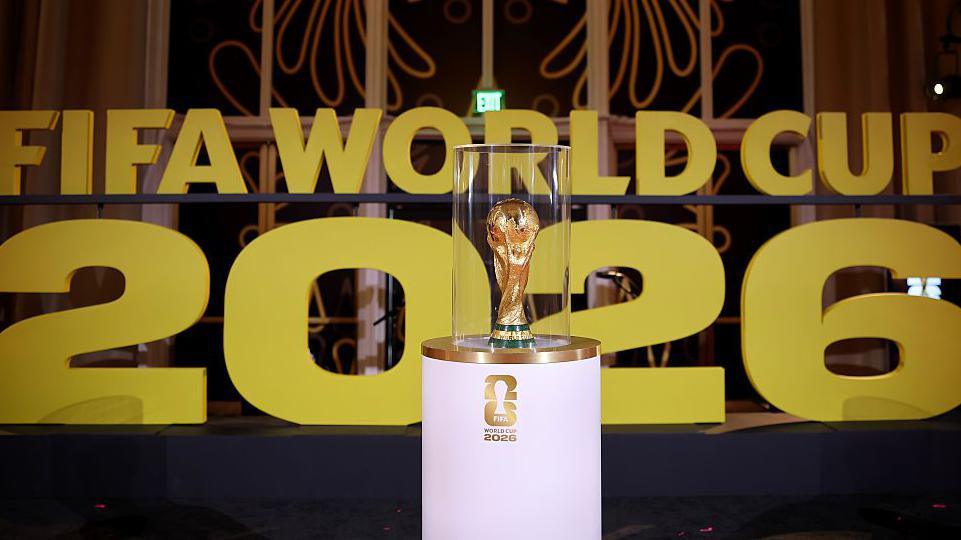
FIFA’s First Open Sale for 2026 World Cup Tickets Highlights Soaring Costs and Technical Challenges
The first open sale of 2026 FIFA World Cup tickets on 1 April 2026 has provided fans with a clearer view of pricing, revealing significant increases and logistical hurdles. FIFA charged up to $10,990 for the most expensive Category 1 ticket to the final at MetLife Stadium in East Rutherford, New Jersey, on 19 July 2026. This figure represents the highest known general admission price for a football match and marks a sharp rise from earlier sales phases.
Originally, the joint bid by the United States, Canada, and Mexico projected a maximum final ticket price of $1,550. By December 2025, after the tournament draw, the top price had climbed to $8,680. The latest open sale applied dynamic pricing, adjusting costs based on demand and resulting in further hikes across categories. For comparison, the most expensive ticket for the 2022 World Cup final in Qatar cost the equivalent of around $1,604.
FIFA has not released full pricing structures or allocation volumes, making a complete assessment difficult. However, the observed increases during the first-come, first-served last-minute sales phase have intensified discussions about accessibility for the 48-team tournament co-hosted across North America.
Significant Price Increases for the World Cup Final
During the 1 April sale, Category 1 tickets for the final rose to $10,990, an increase of approximately 27% from the $8,680 listed in December. Category 2 tickets jumped 32.78% from $5,575 to $7,380, while Category 3 tickets increased 38.23% from $4,185 to $5,785.
These changes occurred without prior notice of which matches or price tiers would be available. Demand-driven adjustments affected high-profile fixtures, including knockout stages featuring top-seeded teams. Although FIFA introduced a limited $60 Supporter Entry Tier in December 2025 for loyal fans through national associations, the general public faced substantially higher costs in the open market.
The final will take place at MetLife Stadium, one of 16 venues across the three host nations. With the tournament running from 11 June to 19 July 2026, the elevated prices for the showpiece event have drawn criticism for potentially excluding many supporters despite the expanded format.
Technical Glitches and Long Queues Frustrate Buyers
The sales process itself encountered notable difficulties. FIFA opened the last-minute phase on a first-come, first-served basis, with tickets released on a rolling schedule that could include same-day availability. However, many users experienced extended wait times, with some queues lasting several hours.
Reports indicated a technical error shortly after the 11:00 ET opening, where early logins were misdirected to a portal reserved for Participating Member Associations (PMA) supporters of recently qualified teams. This required affected fans to rejoin the main queue from the back, often losing their position and any realistic chance of securing popular matches.
BBC Sport joined the virtual queue around 15:20 BST (10:20 ET). A holding message gave way to a countdown, but delays pushed access times back significantly. Once through, users faced further issues, including limited availability. Of the 72 group-stage matches, only 35 showed tickets initially, with no allocation visible for England or Scotland games and few for top-seeded nations beyond the Netherlands.
Average prices for available group matches ranged from $140 to $2,985, though supply was limited. The opening match between Mexico and South Africa at Estadio Azteca listed tickets up to $2,985, with only a small portion of the 87,000 capacity offered. Corporate hospitality packages reached even higher levels, such as $124,800 for a luxury suite covering England versus Panama.
By early 2 April, availability had shifted, with some matches showing only wheelchair companion tickets. Notably, FIFA did not offer free or discounted companion tickets for wheelchair users, requiring full-price purchases that might not guarantee adjacent seating. The USA’s opening game against Paraguay retained the largest remaining supply, including 1,406 Category 1 tickets at $2,735.
Accessibility Concerns and Wheelchair Ticket Policies
The handling of accessible tickets has added to the controversy. While some wheelchair spaces remained, the lack of complimentary companion tickets means supporters requiring assistance must pay full price without guaranteed proximity. This approach contrasts with practices in other major events and has prompted calls for greater inclusivity as the tournament approaches.
Broader Lessons from the Sales Process
The open sale confirmed FIFA’s use of dynamic pricing, where costs fluctuate according to demand at each phase. This model, combined with limited transparency on total allocations per category, has made it challenging for fans to plan or budget effectively. High-demand matches sold out quickly, while less popular group games retained stock longer.
FIFA’s official resale platform, which charges a 15% fee to both buyers and sellers, reopened on 2 April and is expected to see even higher secondary-market prices. Supporters groups have criticised the overall strategy, arguing that repeated price escalations and technical issues undermine the tournament’s goal of broad accessibility.
Despite these challenges, FIFA maintains that tickets continue to be released on a rolling basis until the final whistle. New inventory for any match, including same-day options, may appear as the event progresses. The co-hosts’ opening fixtures — Mexico versus South Africa, the USA versus Paraguay, and Canada versus Bosnia-Herzegovina — attracted particular interest, with varying levels of remaining supply.
What This Means for Fans and the 2026 World Cup Experience
The first open sale has delivered important insights into the realities of attending the 2026 World Cup. While some affordable options exist in lower-demand matches, the premium for flagship games — especially the final — has reached unprecedented levels for general admission. Dynamic pricing and phased releases reward early or persistent buyers but can frustrate those joining later.
For online readers interested in 2026 World Cup tickets, FIFA ticketing updates, and pricing analysis, these developments highlight the need for patience and flexibility. Fans should monitor the official FIFA website regularly, as availability changes frequently. The resale platform offers another route, though at potentially elevated costs.
As the tournament nears, the focus will shift toward ensuring smooth operations and delivering an memorable event for those who secure seats. The combination of record prices and technical hurdles has sparked debate, yet the expanded 48-team format still promises exciting football across North America. Supporters hoping to attend are advised to stay informed and act quickly when opportunities arise, while recognising that the most sought-after tickets now command a substantial premium.

