‘Sea legs meant I couldn’t bowl’ – when England travelled to Australia by boat
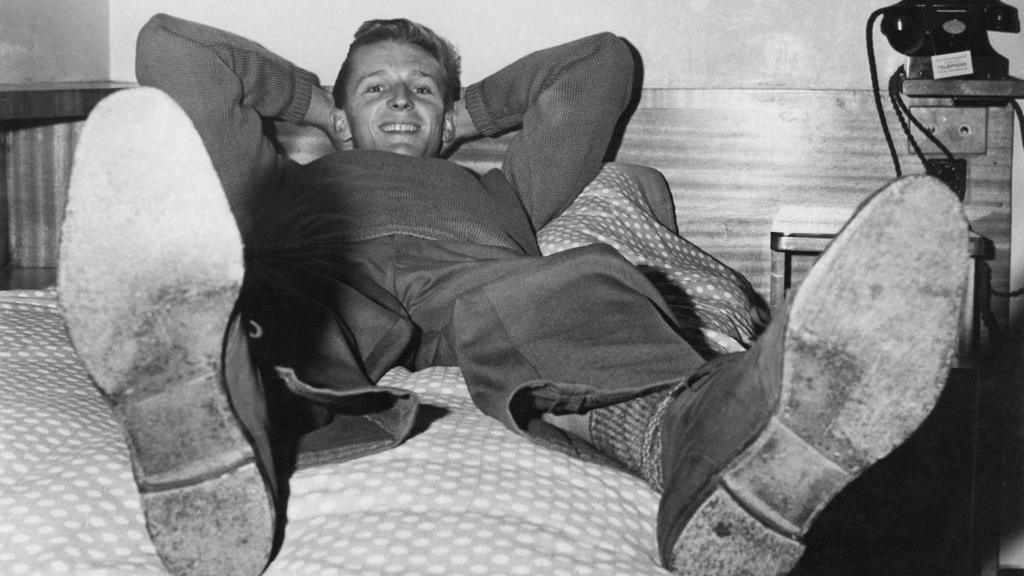
Ashes by Boat: England’s 1962-63 Voyage – Sea Legs, Luxury Liners, and Lost Land Legs
Imagine crossing half the world by ocean liner to play cricket. No business class, no quick flights—just weeks at sea, gourmet meals, millionaire passengers, and a duke as tour manager. For England’s 1962-63 Ashes squad, this wasn’t fiction. It was the last time a full Test team sailed to Australia.
Key Points
- Tour duration: 6 months (September 29, 1962 – late March 1963)
- Travel: Flew to Aden, then 10 days aboard P&O liner Canberra to Fremantle
- Squad: 17 players including Ted Dexter (captain), Fred Trueman, Colin Cowdrey, David Larter (youngest at 22)
- Result: Series drawn 1-1; Australia retained Ashes
- Warm-ups: 9 matches in 5 states before first Test (November 30)
- Larter’s highlight: 7 wickets on Test debut in New Zealand post-Ashes
The Last Great Sea Voyage: From London to Perth in Style
September 29, 1962. England’s cricketers gathered in London—two full months before the first Test. First, a flight to Aden. Then, boarding the gleaming white SS Canberra, the world’s largest passenger liner at 820 feet.
David Larter, a 6ft 7in fast bowler from Suffolk making his first tour, recalls: “MCC booked us first-class. We mixed with millionaires, diplomats, and emigrants. The food? Unbelievable. Trolleys of lobster, roast beef, desserts—three times a day. I’ve never eaten like that since.”
The Canberra wasn’t just transport. It was a floating hotel:
- Promenade deck for laps
- Badminton courts netted off
- Gym with weights
- Two bars—one for quiet pints with Poms heading to new lives
Fitness at Sea: Gordon Pirie, Fred Trueman, and the Great Running Revolt
Keeping fit wasn’t optional. Captain Ted Dexter recruited Olympic runner Gordon Pirie, a passenger en route to training.
Larter: “Pirie turned up in shorts and said, ‘Right, we’re running laps around the deck.’ It’s nearly half a mile per circuit. I did what I was told.”
Not everyone complied.
Fred Trueman—fresh from 1,100+ overs that summer—refused point-blank. “Fred said, ‘I’ve just bowled all season. I’m not running round a bloody boat for anyone,’” Larter laughs. “The Pirie plan died after day two.”
Instead, players stuck to cricket drills: throwdowns, shadow bowling, and net sessions on deck when weather allowed.
The Duke, the Reverend, and Mrs. Dexter: A Touring Party Like No Other
Tour manager? None other than the 16th Duke of Norfolk, Bernard Fitzalan-Howard.
Protocol was strict:
- Morning: “Your Grace”
- Thereafter: “Sir”
- Never cheeky
Larter: “He knew the game inside out. Invited us to dinner two at a time. His world was castles and racehorses—ours was county cricket. But he bridged it.”
Also aboard:
- Reverend David Sheppard (future Bishop of Liverpool)
- Susan Dexter (Ted’s model wife, tracked by Australian press)
Trueman grumbled to journalists: “All anyone cares about is the Duke’s horses, Sheppard’s sermons, and what Mrs. Dexter’s wearing.”
Colombo Warm-Up: When Sea Legs Failed
Mid-voyage stop: Colombo, Sri Lanka. A one-day game against a local XI.
Larter marked his run-up, charged in—and collapsed.
“I ran in, legs went sideways, face-planted. Tried again—same thing. I’d lost my land legs after 10 days at sea.”
Dexter pulled him off. Barry Knight finished the over.
Post-match: British Army barbecue on the beach. Larter: “From a small town in Suffolk to Sri Lanka with soldiers cooking steaks—mind-blowing.”
Life Down Under: Christmas on the Beach, Job Offers, and £1,250 Riches
Tour fee: £1,250 (~£30,000 today). For a 22-year-old ex-insurance clerk, it was life-changing.
Larter:
- Christmas dinner on Bondi Beach
- Three job offers from locals
- Nearly emigrated
- Airmail letters and day-old Telegraphs in dressing rooms
Warm-ups spanned six weeks: Perth, Adelaide, Melbourne, Sydney, Brisbane. Crowds flocked to see Trueman’s fire, Cowdrey’s elegance, and Larter’s skyscraping bounce.
The Ashes Outcome: Retained, but Larter Shines in New Zealand
Despite a 1-0 lead after Melbourne, Australia fought back in Sydney. Two draws meant a 1-1 series—Ashes retained.
Larter didn’t play a Test. “Depressing,” he admits. “Trueman and Statham were untouchable.”
But the tour rolled on to New Zealand—three more Tests, six months total.
Larter’s debut: 7 wickets in Auckland. England swept 3-0.
“That showed ’em,” he says with a grin.
From Ocean Liner to 747: The End of an Era
By 1965-66, England flew direct. Larter toured again but injured his ankle—career-ending damage sustained on Australian soil without playing a Test.
He left cricket, joined his father’s haulage firm, and turned down coaching roles. “I went anti-cricket for a while.”
Now 85, living in mid-Wales, he keeps his England cap on display and Canberra slides in a drawer.
Modern Contrast: Stokes Lands, Makes Front Page
November 2025. Ben Stokes touches down in Perth. Front page of The West Australian: “Poms Are Here.”
Travel time: 17 hours, business class. 1962: 6 weeks, first-class liner.
Stokes gets one warm-up (vs England Lions). 1962: 9 games across 5 states.
Larter’s verdict: “We arrived as a unit. Bonded by sea, food, and the Duke. Today? They land, train, play. Different world.”
Why the Sea Voyage Mattered
It wasn’t just logistics. It was:
- Team bonding: 10 days with no escape
- Cultural immersion: Mixing with emigrants, millionaires, locals
- Mental preparation: Time to adapt, not just arrive
Larter: “Apart from not playing Tests, I had the time of my life. Unbelievable—in the truest sense.”
As Stokes’ 2025-26 squad prepares for Perth on November 21, spare a thought for the last men who earned their sea legs before facing the urn.
Follow for real-time match analysis!🚀
Discover more from DeeplyticAI
Subscribe to get the latest posts sent to your email.