McCullum’s Bold Strategy Transforms England Cricket Success
McCullum’s Bold Strategy Transforms England Cricket Success
A Shift in Mindset: England’s New Aggressive Approach
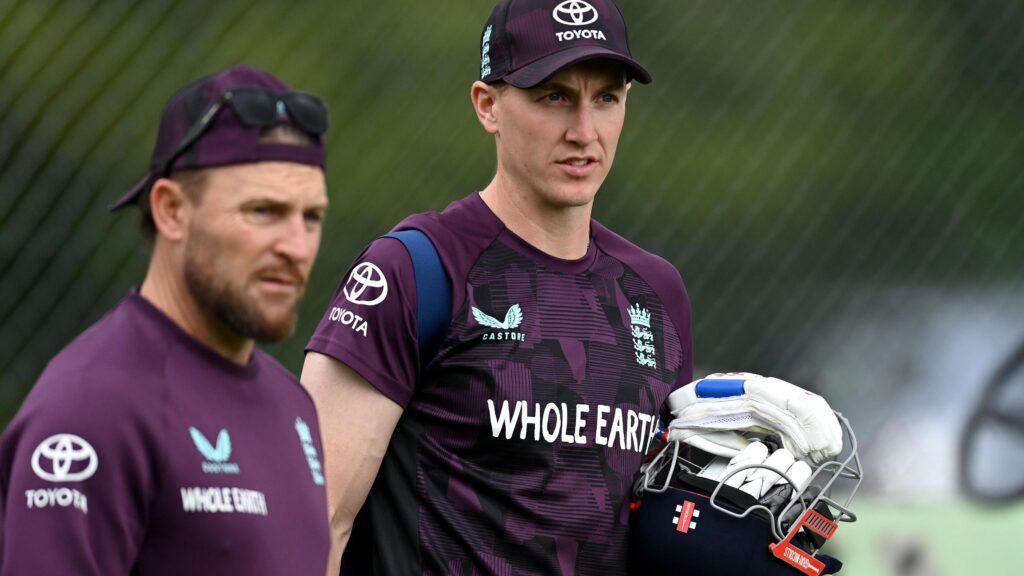
England’s thrilling 22-run victory over India in the third Test at Lord’s wasn’t just a testament to skill—it marked a significant shift in mentality. Head coach Brendon McCullum had a clear message for his squad before the match: they were “too nice.” According to batsman Harry Brook, this directive became the catalyst for England’s more assertive attitude on the field.
The match was filled with fiery exchanges, from India’s frustration over time-wasting tactics by England’s openers to Mohammed Siraj’s penalized celebration and a heated moment between Brydon Carse and Ravindra Jadeja. Yet, it was England’s renewed aggression in defending a modest target of 192 that stood out, securing a hard-fought win.
The Turning Point: Embracing McCullum’s Philosophy
Brook revealed that McCullum’s critique resonated deeply with the team. On the eve of the final day, with the contest finely balanced, the squad discussed stepping away from their “nice guys” reputation.
“He actually said a few days before that we are too nice sometimes,” Brook told BBC Sport. “I brought it up the night before the last day: ‘Baz said we’re too nice—tomorrow’s the perfect opportunity to really get stuck into them.’”
The timing proved ideal. India’s confrontational behavior towards England’s openers the previous evening fueled the team’s resolve. Instead of backing down, England met the challenge head-on.
“We just thought, ‘We’re not standing for that,’” Brook added. “It wasn’t about being nasty or personal—just relentless pressure.”
The Influence of Gilbert Enoka: Mental Excellence in Cricket
McCullum’s emphasis on mental fortitude isn’t accidental. His tenure saw the introduction of Gilbert Enoka, the renowned All Blacks mental skills coach. Enoka, instrumental in New Zealand’s back-to-back Rugby World Cup triumphs in 2011 and 2015, joined England’s backroom staff ahead of their clash with Zimbabwe.
McCullum and captain Ben Stokes had long emphasized the importance of “humility,” but Enoka’s presence reinforced the need for a stronger psychological edge. His role is pivotal as England navigates high-stakes series against India and prepares for the Ashes.
Days before the fourth Test at Old Trafford, Enoka addressed the squad, reinforcing the mindset that helped England reclaim their competitive fire.
A New Era: Moving Beyond England’s Nice Guy Image
In recent years, England’s Test side has lost some of its most combative figures—Stuart Broad and James Anderson have retired, while Jonny Bairstow and Ollie Robinson have been sidelined. Yet, under McCullum’s leadership, a new identity is emerging.
Brook, who debuted in McCullum’s first summer as coach, acknowledged that England had been “nice guys” for too long. “At Lord’s, we saw our chance to change that,” he said. “It wasn’t against the spirit of cricket—just smart, assertive play.”
Conclusion: McCullum’s Bold Strategy Pays Off
McCullum’s transformative approach is reshaping England’s cricket success. By instilling confidence, aggression, and mental resilience, he has revived a team once plagued by inconsistency. With Enoka’s guidance and a reinvigorated squad, England looks set to challenge the best—no longer the nice guys, but a force to be reckoned with.
This bold strategy could be the defining factor in their quest for dominance in Test cricket. If Lord’s was any indication, the world should take notice: England is playing a new game.
Discover more from DeeplyticAI
Subscribe to get the latest posts sent to your email.