Premier League Financial Rules Overhaul 2026: Banning Self-Sales and Introducing Squad Cost Ratio to Curb Spending
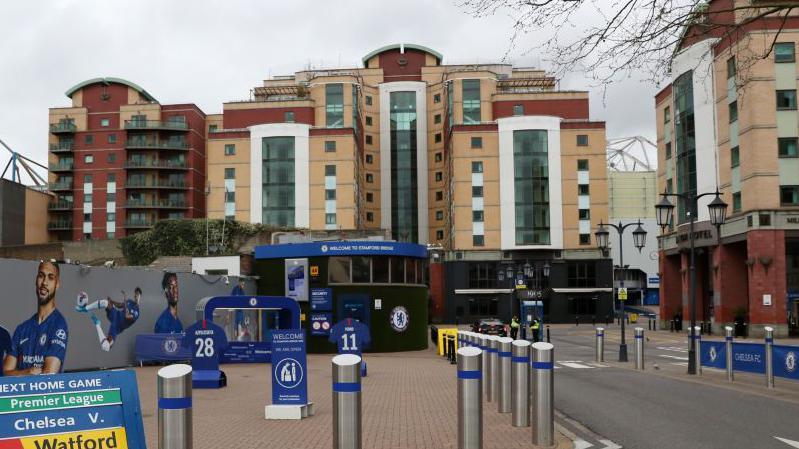
The Premier League is entering a new era of fiscal discipline with sweeping changes to its financial rules, approved November 20, 2025, that ban asset sales to related parties and replace Profit and Sustainability Rules (PSR) with a Squad Cost Ratio (SCR) model. These reforms—backed by 14 clubs (with 6 against)—aim to close loopholes exploited by teams like Chelsea (hotel sales to sister companies) and Everton (women’s team transaction), while tying spending directly to revenue for greater transparency. Effective 2026-27, the rules cap squad costs at 85% of income (70% for European qualifiers), with a 30% multi-year buffer and penalties for breaches. Amid PSR controversies that nearly relegated Everton and Nottingham Forest, this overhaul promotes sustainability, aligns with UEFA, and levels the playing field—though smaller clubs worry it favors revenue giants.
Key Changes to Premier League Financial Rules
- Asset Sales Ban: No intra-group transactions (e.g., selling hotels/women’s teams to affiliates) to inflate revenue.
- Squad Cost Ratio (SCR): Squad costs (wages, amortised transfers, agents’ fees) ≤85% revenue (70% UEFA teams).
- Buffer System: 30% rolling allowance over years; exceed 115% = 6pt deduction (+1pt per £6.5m over).
- Sustainability Rules: Mandatory long-term projections; Independent Football Regulator (IFR) oversight.
- Anchoring Rejected: Upper spend limit (5x bottom TV money, ~£600m) failed (7-12 vote).
These measures address PSR’s flaws—balance sheet focus over annual spending—ensuring compliance with UEFA’s SCR while protecting clubs from collapse.
Closing the Loophole: No More Self-Sales Shenanigans
PSR allowed clubs to sell non-football assets to affiliates at inflated prices, booking revenue to offset losses. Chelsea’s 2024 hotel sales to BlueCo (£76.5m) and Everton’s women’s team to 777 Partners (£1m) exemplified this—technically legal but ethically murky.
New ban: Transactions must be arm’s-length, with independent valuation. Premier League: “Ensures genuine football revenue—levels field.”
Impact: Clubs like Aston Villa (rumored women’s team sale) must rethink; revenue must come from broadcasting, commercial, matchday.
Squad Cost Ratio (SCR): Revenue-Tied Spending with Teeth
PSR’s three-year loss limit (£105m) bred complexity—amortisation tricks, add-backs. SCR simplifies: Annual squad costs ≤85% revenue (70% UEFA).
Squad Costs Defined
| Category | Included |
|---|---|
| Wages | Players/managers |
| Transfers | Amortised fees |
| Agents’ Fees | All commissions |
| Excluded | Infrastructure (stadiums), youth development |
Buffer: 30% rolling (e.g., 105% spend uses 20%; next year max 95%). Exceed 115% “Red Threshold”: 6pt deduction (+1pt/£6.5m over).
European twist: UEFA’s 70% cap for Champions League/Europa teams—Premier League’s 85% buffer helps, but compliance dual-tracked.
Premier League statement: “Promotes aspiration—close to UEFA; prevents divergence.”
Sustainability Rules: IFR Oversight for Long-Term Health
Unanimous approval: Clubs submit short/medium/long-term projections. IFR (Independent Football Regulator, operational 2026) enforces—spending curbs, debt fixes if off-track.
Goal: Prevent collapses like Bury (2019 expelled), Macclesfield (2020).
Richard Masters (CEO): “Shared recognition—financial health paramount.”
Winners and Losers: Big Clubs Buffer, Small Ones Squeeze
Winners
- Revenue giants (Man City, Man Utd): Larger base absorbs 85% cap.
- Prudent spenders: Unused buffer rolls over.
Losers
- Mid-table (Bournemouth, Fulham): Limited revenue, high PL wages—tighter margins.
- European aspirants: 70% UEFA cap stricter.
Anchoring flop (7-12 vote): 5x bottom TV (~£600m cap) feared stifling growth; PFA worried wage suppression.
Small clubs: “PSR frustration—SCR worse for us.”
Big six: Arsenal/Liverpool backed; City/Utd feared Madrid limits.
Verdict: Overhaul Levels Field, But Revenue Gap Persists
Premier League’s 2026 rules ban self-sales, tie spending to revenue, and enforce sustainability—bold step toward UEFA harmony.
Loopholes closed; balance rewarded. But revenue chasm—City’s £800m vs Bournemouth’s £120m—endures.
Masters: “Opportunity for all—safeguard futures.”
Clubs adapt: Transfer savvy, youth focus. Fairer? Yes. Equal? Not yet.
Follow for real-time match analysis!🚀
Discover more from DeeplyticAI
Subscribe to get the latest posts sent to your email.