
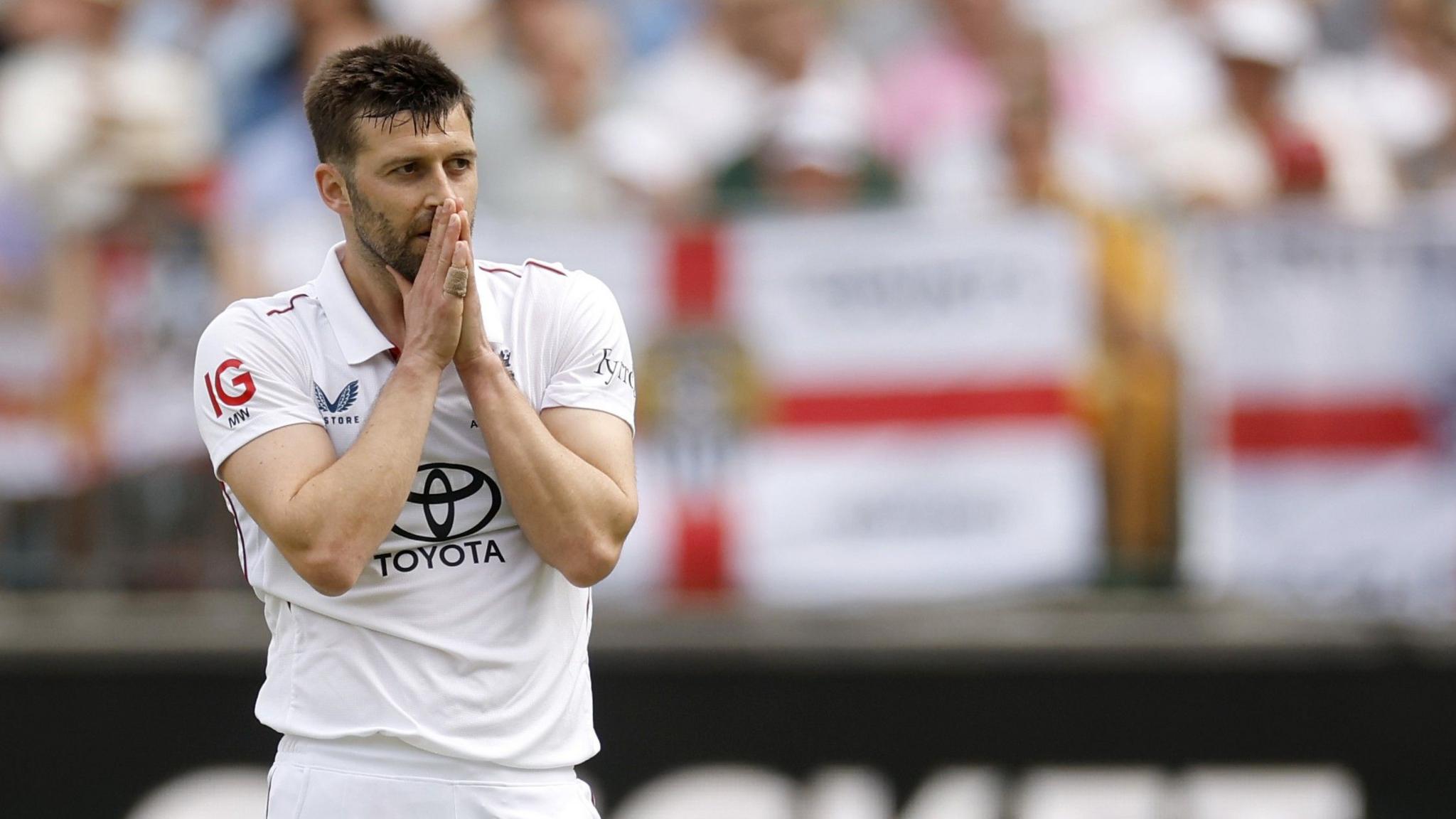
- Australia retained the Ashes with a 3-0 lead after an 82-run victory in the third Test at Adelaide Oval on December 21, 2025.
- England’s series loss in just 11 days of play marked their earliest Ashes surrender in Australia since 1921.
- Poor preparation, questionable selections, and the mid-series Noosa beach break drew heavy criticism amid perceived lack of focus.
- Despite high pre-tour hopes against a supposedly weakened Australia, England failed to adapt to conditions and execution errors proved costly.
Long-Term Planning Errors Set the Tone
England’s Ashes downfall began well before arriving in Australia. Key decisions in 2024 and early 2025 exposed vulnerabilities that Australia exploited ruthlessly.
Selection oversights proved damaging. Failing to trial genuine openers during Zak Crawley’s 2024 injury left Dan Lawrence unsuited for the role. Jordan Cox’s thumb fracture and Mark Wood’s Champions Trophy commitment depleted pace reserves, while Chris Woakes’ shoulder injury ruled him out entirely.
Coaching gaps added uncertainty: Paul Collingwood’s departure went unfilled, and fast-bowling coach clarity emerged late. Omitting versatile players like Jamie Overton and Liam Dawson from the squad—potential spinner cover for Shoaib Bashir—highlighted pragmatism shortages.
The squad announcement lacked fanfare, contrasting sharply with high-profile events elsewhere, and coincided unfortunately with Dickie Bird’s passing. Ollie Pope’s vice-captaincy removal fueled ongoing debates.
Inadequate Preparation and Warm-Ups
Pre-tour scheduling constrained quality practice. A long-planned New Zealand white-ball series limited red-ball warm-ups, resulting in losses that offered poor Ashes tuning.
England settled for an intra-squad Lions match at Lilac Hill—on slow, low pitches unlike Perth’s bounce. Relaxed vibes, including music and casual elements, drew criticism for lacking intensity. Mark Wood’s early injury scan underscored risks.
Requests for state or A-team games fell through due to timing, though negotiations for future tours began. The laid-back approach, exemplified by Ben Stokes’ “has-beens” remark (later clarified), fueled early narrative battles.
Early Tests Collapse and Off-Field Distractions
The series started disastrously in Perth: dominant at lunch on day two, England lost inside two days. Tetchy post-match responses from Stokes handed Australia PR advantages.
Media scrutiny intensified with photos of golf and aquarium visits, plus casino-hotel accommodations and frozen yoghurt preferences. Skipping pink-ball practice against a Prime Minister’s XI prioritized differing conditions, but radio silence invited accusations of arrogance from figures like Mitchell Johnson.
Heavy Brisbane training left players “overprepared” per Brendon McCullum, prompting helmet-less e-scooter incidents requiring responses.
The Controversial Noosa Break
After two defeats, England’s pre-planned four-night Noosa stay became a flashpoint. Intended as mental reset, it featured beach kick-abouts, drinking, Akubra hats, and limited attendance at optional runs.
While some like Joe Root kept low-key family time, others’ visibility—public drinking and media interactions—drew Australian headlines like “Having a Bazball in Noosa.” Local radio sledging and a security incident amplified optics issues.
Defenders noted scheduling predated losses and aimed at recharge, contrasting restrictive 2021-22 protocols. Critics viewed it as misplaced priorities amid 2-0 deficit.
England performed better post-Noosa in Adelaide, extending to day five, but mixed messaging—Stokes on pressure versus relaxation—confused narratives.
Adelaide Seals the Fate
Trailing 2-0, England showed fight in Adelaide but fell 82 runs short chasing 435. Dropping spinner Bashir for batting depth backfired, with part-timer Will Jacks bowling heavily.
Relaxed off-field demeanor continued, but on-pitch errors persisted. The Ashes were retained earliest possible, exposing preparation and adaptation flaws.
| Key Factors in England’s Ashes 2025-26 Defeat |
|---|
| Poor Selections: No opener trials, missing all-rounders/spinners |
| Limited Warm-Ups: New Zealand tour constraints, casual intra-squad |
| Off-Field Issues: Media distractions, Noosa optics |
| On-Field Execution: Batting collapses, dropped catches |
| Series Timeline: Lost in 11 days (Perth, Brisbane, Adelaide) |
England’s 2025-26 Ashes campaign stands as one of their most disappointing in modern history. Billed as a prime opportunity against a transitioning Australia—missing key figures early—hopes of ending a 14-year away drought evaporated rapidly.
The third Test defeat in Adelaide on December 21, 2025, confirmed retention for Australia at 3-0, the quickest decision in over a century. Travis Head’s dominance, Alex Carey’s all-round brilliance, and Pat Cummins’ seamless return highlighted hosts’ depth.
Root causes trace back months. Summer 2024 injuries and commitments left squad imbalances: no proven opener backup, depleted pace stocks after Wood’s commitments, and absent spin options beyond vulnerable Bashir.
Coaching uncertainties and anticlimactic announcements set subdued tones. Pre-tour New Zealand losses provided mismatched preparation, with Lilac Hill’s casual setup—music, drinks runners in whites—contrasting needed intensity.
Perth’s two-day thrashing exposed execution gaps, amplified by media pursuits to leisure activities. Brisbane’s heavy workload prompted “overprepared” reflections, alongside minor incidents.
Noosa’s break, fixed pre-series, aimed at mental freshness but timing invited backlash. Visible relaxation—beach games, public outings—clashed with 2-0 deficit, dominating Australian coverage despite some discreet participation.
Post-Noosa, Adelaide offered improved resistance: gritty lower-order stands took it to day five. Yet spinner omission and persistent errors—soft dismissals, fielding lapses—proved fatal.
Stokes’ evolving rhetoric—from “no weak men” to enjoying pressure—reflected internal tensions. McCullum acknowledged preparation questions, vowing lessons.
Australia’s adaptability—Head’s opener promotion, Carey’s record contributions—contrasted England’s rigidity. Bazball’s aggression faltered on bouncy pitches without tempered application.
Dead rubbers in Melbourne and Sydney offer pride salvage, but recriminations loom: selection reviews, preparation overhauls, cultural shifts. England’s away Ashes struggles continue, underscoring adaptation needs against elite opposition.
This rapid humiliation—booze-fueled perceptions, beach distractions, beaten comprehensively—defines a missed golden chance.

