
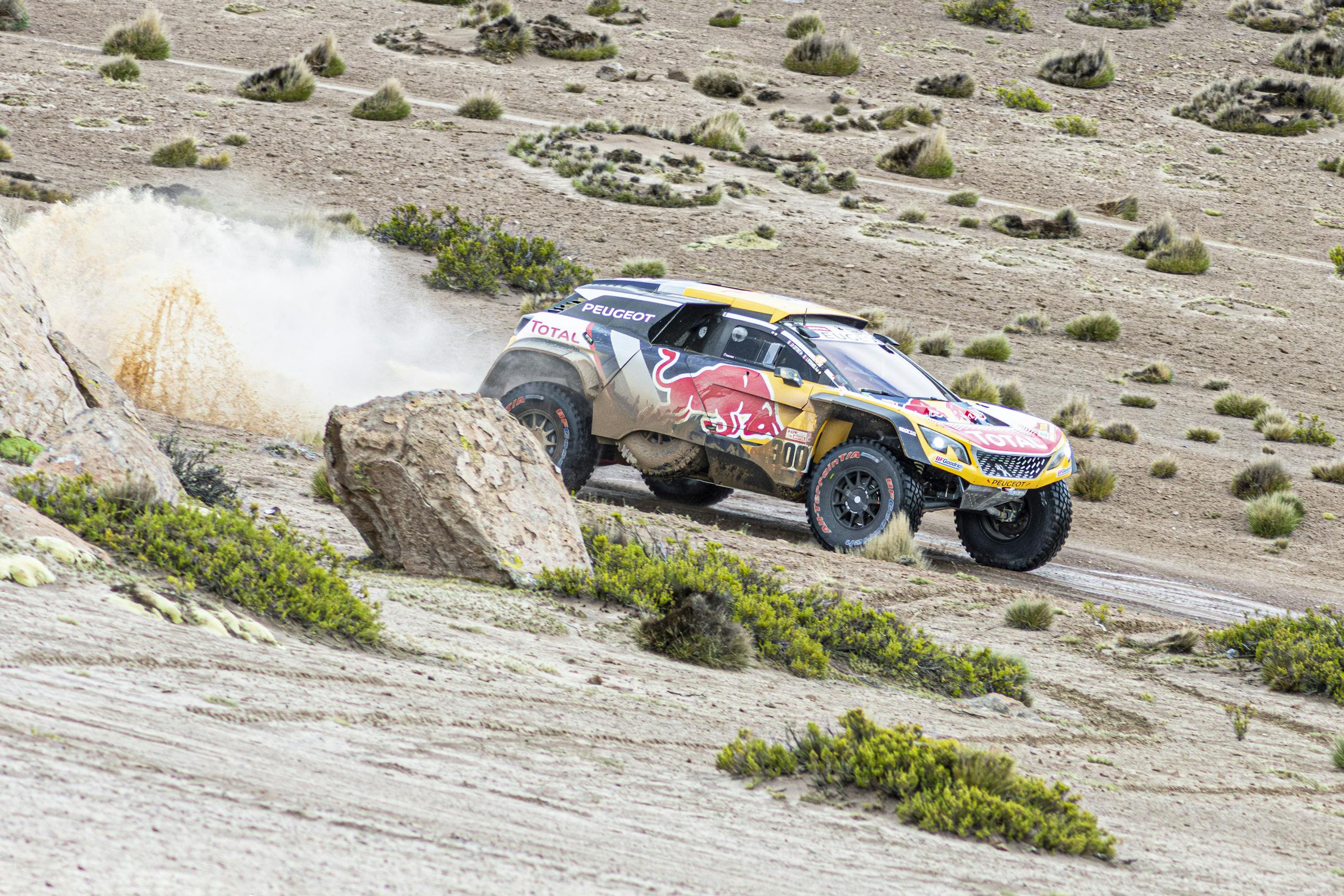
- The Dakar Rally 2026 runs from January 3 to January 17, entirely in Saudi Arabia, starting and finishing in Yanbu.
- Competitors face approximately 8,000 km total distance, including nearly 5,000 km of timed special stages across diverse terrains like dunes, rocks, and mountains.
- Categories include bikes, cars, trucks, side-by-side vehicles (SSVs), challengers, and classics, with over 800 participants from 69 nationalities.
- Drone footage of dramatic dunes, crashes, and landscapes goes viral annually, boosting global appeal amid sustainability debates.
Event Overview and Route Highlights
The Dakar Rally 2026 marks the 48th edition of the world’s toughest rally-raid and the seventh consecutive year hosted exclusively in Saudi Arabia. Organized by Amaury Sport Organisation (ASO), this grueling event kicks off the FIA-FIM World Rally-Raid Championship (W2RC) season.
Starting in Yanbu on the Red Sea coast, the route forms a massive clockwise loop: inland to AlUla, Hail, Riyadh (rest day), south to Wadi Ad Dawasir and Bisha, then north via Al Henakiyah back to Yanbu. Nearly 8,000 km total, with 4,900 km timed specials—among the longest in Saudi-era history.
Two marathon “refuge” stages limit assistance, testing self-reliance. No 48-hour chrono (removed after 2025 crashes); focus on traditional endurance.
Over 812 competitors in 433 vehicles represent 69 nations, showcasing international diversity.
Categories and Competition Structure
Dakar Rally features multiple classes for varied vehicles:
- Bikes: Elite RallyGP, Rally2 (privateers), Original by Motul (no assistance).
- Cars: Ultimate (prototypes), Challenger (lightweight buggies), Stock (near-production).
- Trucks: Competition and assistance models.
- SSVs: Production-based side-by-sides.
- Classic: Historic vehicles pre-2000s era.
- Mission 1000: Alternative-energy prototypes (electric/hydrogen).
This inclusivity—from factory teams to amateurs—defines Dakar’s spirit.
| Dakar Rally 2026 Key Categories |
|---|
| Bikes: 118 entries |
| Cars (Ultimate/Challenger/Stock): Varied prototypes and production |
| Trucks: 46 |
| SSVs: 43 |
| Classic: 97 (cars/trucks) |
| Mission 1000: Innovative energy vehicles |
Viral Appeal and Social Media Impact
Dakar Rally captivates globally through stunning visuals. Drone footage—sweeping dune vistas, high-speed chases, dramatic wrecks—dominates platforms annually.
Viral moments highlight human limits: riders navigating vast Empty Quarter (though skipped 2026), trucks powering sands, crashes underscoring danger.
Social media amplifies reach: clips trend on TikTok/Instagram, drawing younger audiences beyond motorsport fans.
Sustainability Debates and Environmental Considerations
Dakar’s Saudi hosting sparks ongoing sustainability discussions. Vast routes traverse sensitive deserts, raising ecological impact concerns—soil erosion, wildlife disturbance, carbon emissions.
Organizers implement offsets (e.g., forest projects) and collaborate with authorities for protected areas. Alternative-energy Mission 1000 promotes innovation.
Critics argue high fuel consumption contradicts green goals; proponents highlight economic benefits and controlled routing.
Debates fuel online threads: thrill versus responsibility in extreme motorsports.
The Dakar Rally 2026 exemplifies endurance racing’s pinnacle, blending raw adventure with technical mastery across Saudi Arabia’s demanding landscapes. From Yanbu’s coastal start to desert depths, competitors navigate dunes, rocks, canyons—nearly 5,000 km timed against the clock.
This edition’s loop route emphasizes variety: fast plains, navigation-heavy sections, marathon bivouacs testing resilience.
Categories cater to all: bikes demand solo grit, trucks showcase power, classics evoke heritage. Mission 1000 pioneers low-emission tech.
Drone-captured spectacles—vehicles cresting dunes, dust clouds trailing—go viral yearly, captivating millions. Crashes and triumphs underscore risks/rewards.
Yet environmental discourse persists: vast terrain traversal prompts sustainability questions. ASO’s measures—carbon offsets, route planning—aim mitigation, but debates on motorsport’s footprint continue.
Dakar’s allure lies in extremes: human versus nature, machine limits, strategic brilliance. Viral content broadens appeal, inspiring awe and discussion.
This rally-raid icon opens 2026 motorsport—unforgiving, unforgettable.
