
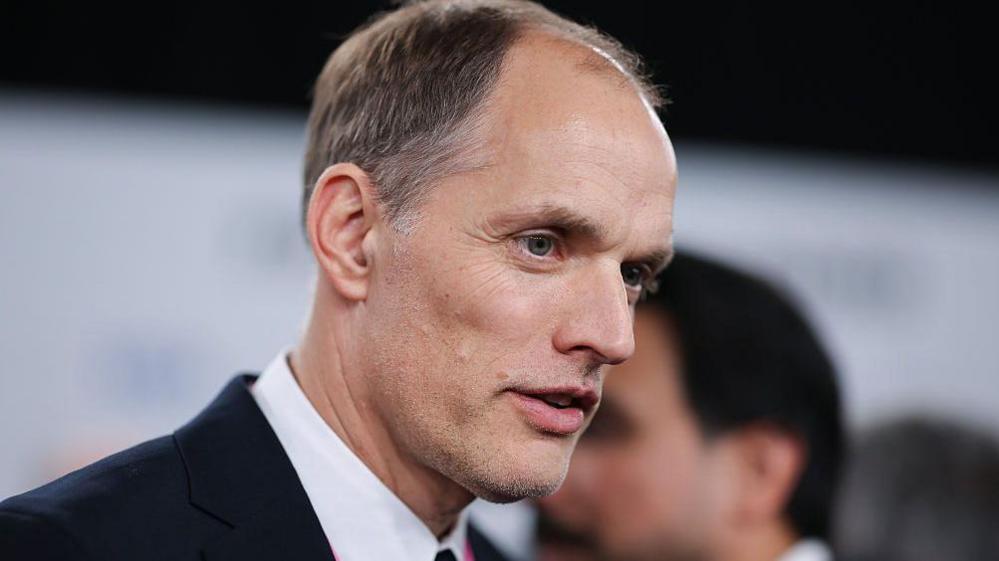
Thomas Tuchel’s tenure as England manager enters a defining phase with the 2026 World Cup approaching. The German coach has emphasised that squad selection will prioritise “social skills” and personality alongside talent. With limited preparation and a potentially gruelling seven-week tournament, Tuchel seeks a cohesive group capable of thriving under pressure—echoing lessons from past successful campaigns.
Building the Right Group Dynamic
Tuchel draws from conversations with World Cup veterans: “When the connection was right, when the communication was right… they were successful.” He warns against selecting purely on talent, asking: “What are the social skills of a player? Is he a good team-mate? Can he support in a supporting role?”
This philosophy reflects the tournament’s demands—up to eight weeks together if England reach the final. Players must know their roles, feel valued, and enjoy the collective experience.
Tuchel’s bold decisions underscore this approach. Recalling experienced Brentford midfielder Jordan Henderson provides leadership, while omitting high-profile names like Jude Bellingham and Phil Foden signals prioritisation of fit over form alone.
Preparation Constraints and Fixture Challenges
England have just two March friendlies—against Uruguay and Japan—before squad finalisation. Many players will arrive after demanding club seasons, potentially contesting domestic and European finals.
The group stage begins June 17 against Croatia in Arlington, Texas, followed by Ghana and Panama. Progress seems achievable, but Tuchel knows complacency risks early exit.
Notable Squad Decisions
| Player | Status | Rationale/Context |
|---|---|---|
| Jordan Henderson | Recalled | Experience and leadership |
| Jude Bellingham | Omitted | Balance and role considerations |
| Phil Foden | Omitted | Prioritising group harmony |
These choices highlight Tuchel’s willingness to make tough calls for long-term cohesion.
The Importance of Mental Resilience
International football’s unique pressures—extended isolation in hotels—require mental strength. Tuchel values players who embrace the journey: “The World Cup will demand a lot out of them… It will demand a lot of our social skills.”
Past England teams under Gareth Southgate reached consecutive European Championship finals and the 2018 World Cup semi-final through unity. Tuchel aims to replicate that environment.
Tuchel’s Broader Approach
Since replacing Southgate, Tuchel has instilled discipline and adaptability. His track record—Champions League success with Chelsea—shows ability to forge winning collectives from diverse talents.
Fans appreciate the pragmatic vision: building a squad for tournament football’s unique demands, not just individual brilliance.
Outlook for England at World Cup 2026
The tournament, co-hosted by USA, Canada, and Mexico, runs June-July 2026. England’s group offers progression opportunity, but knockout stages test depth.
Tuchel’s emphasis on chemistry could prove decisive. If players buy into the collective ethos, England—quarter-finalists in 2022—harbour realistic ambitions.
This selection strategy balances ambition with realism. Tuchel seeks not just the best players, but the right ones—for a campaign where togetherness triumphs.
As friendlies approach, anticipation builds. Tuchel’s blueprint prioritises the intangible qualities that often separate contenders from champions.

