
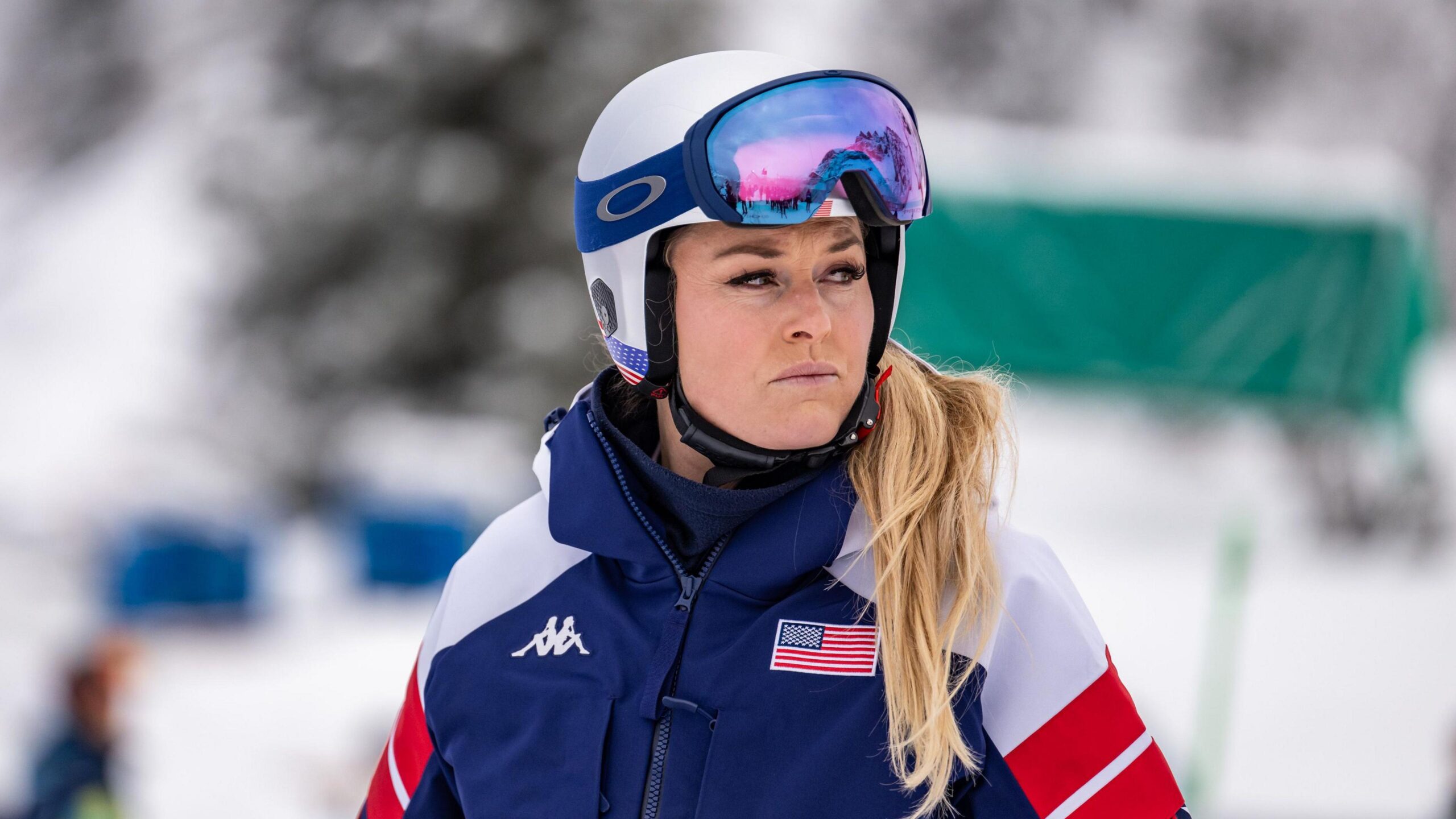
Lindsey Vonn, one of alpine skiing’s most decorated and resilient athletes, experienced a heartbreaking end to her Olympic career on February 9, 2026, during the women’s downhill at Olimpia delle Tofane in Cortina d’Ampezzo. The 41-year-old American suffered a complex tibia fracture in her left leg after crashing just 13 seconds into her run, when her arm became stuck in a gate, throwing her off balance. Airlifted to Ca’ Foncello Hospital in Treviso for immediate surgery, Vonn later shared a poignant message of “no regrets,” encapsulating a career defined by daring greatly amid adversity.
The Dramatic Crash and Immediate Aftermath
Competing in her fifth and self-declared final Winter Olympics, Vonn entered the downhill as the 2010 champion, determined despite recent setbacks. Nine days prior, a crash in Switzerland had torn her anterior cruciate ligament (ACL), yet she pushed forward, racing with ruptured knee ligaments and a history of injuries including a partial right knee replacement.
The incident unfolded rapidly: entanglement in the gate caused a high-speed fall, requiring extended on-slope treatment before helicopter evacuation. Surgeons addressed the complex tibia fracture, a severe break often involving multiple fragments and potential complications.
Vonn confirmed the pre-existing ACL tear “had nothing to do with my crash whatsoever,” attributing the accident to the inherent dangers of downhill skiing—speeds exceeding 80 mph on icy terrain.
Vonn’s Inspiring Reflection: No Regrets
From hospital, Vonn posted on Instagram: “Yesterday my Olympic dream did not finish the way I dreamt it would… It wasn’t a storybook ending or a fairytale, it was just life.” She emphasised standing in the starting gate as “an incredible feeling” and a “victory in itself.”
Her words resonated deeply: “We take risks in life. We dream. We love. We jump. And sometimes we fall… I hope you take away… the courage to dare greatly. Life is too short not to take chances on yourself. Because the only failure in life is not trying. I tried. I dreamt. I jumped.”
This philosophy mirrors Vonn’s career ethos—pushing boundaries despite over 20 surgeries and countless comebacks.
Lindsey Vonn’s Olympic Downhill Highlights
| Olympics | Result | Notes |
|---|---|---|
| 2006 Torino | 8th | Debut Games |
| 2010 Vancouver | Gold (Downhill); Bronze (Super-G) | Peak performance |
| 2018 PyeongChang | Bronze (Downhill) | Comeback after injuries |
| 2022 Beijing | Did not compete (injuries) | Missed due to recovery |
| 2026 Milano Cortina | DNF (Crash) | Final Games; complex tibia fracture |
Debate on Risk and Bravery
Vonn’s choice to compete drew widespread praise for bravery but also criticism regarding potential permanent damage. Alpine skiing’s dangers—high speeds, unforgiving terrain—are inherent, yet her decision amplified discussions on athlete welfare.
Supporters hailed her as inspirational, embodying Olympic spirit. Critics questioned racing with known injuries, though Vonn insisted the crash was unrelated.
At 41, Vonn’s participation alone defied norms, extending a career that inspired millions and advanced women’s skiing.
Legacy Beyond the Piste
Vonn’s 82 World Cup wins (record until 2023) and three overall titles cement her greatness. Off-snow, advocacy for equality and mental health further elevates her influence.
This final chapter—courageous yet painful—epitomises Vonn’s journey: triumph through trials. As Milano Cortina 2026 continues, her message endures: dare greatly, embrace risks, cherish the attempt.
Fans worldwide wish Vonn swift recovery, celebrating a legend who lived her words: tried, dreamt, jumped.

