
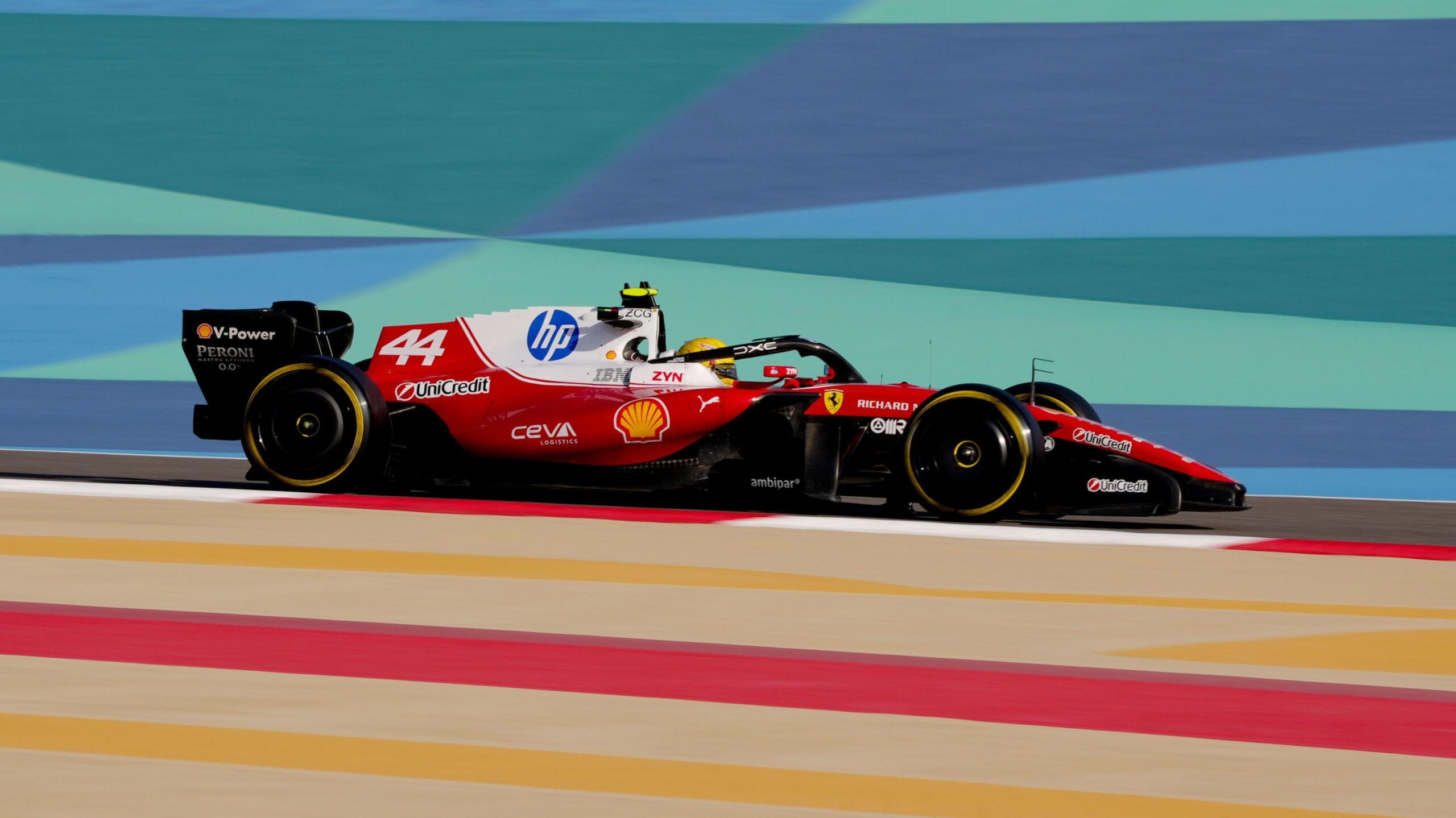
Lewis Hamilton has delivered a strikingly positive early verdict on Formula 1’s 2026 cars, describing the latest generation of racing machines as “more fun to drive” despite significant changes under the sport’s new technical regulations. His comments stand in contrast to other leading drivers who have expressed reservations about the dramatic shift in performance characteristics brought about by the 2026 rule overhaul.
The 2026 Formula 1 season heralds the biggest regulatory reset in decades, featuring sweeping revisions to chassis, engines, aerodynamics, tyres, and fuel systems. These changes aim to improve sustainability and competition but have produced polarized feedback from drivers during pre-season testing in Bahrain.
Hamilton Enjoys Driving Dynamics of New F1 Cars
Hamilton, now in his second year with Scuderia Ferrari driving the new Ferrari SF-26, said the reduced overall downforce and altered aerodynamic philosophy make the cars more engaging behind the wheel. The seven-time world champion emphasized that despite lower grip levels, the 2026 cars give drivers greater control over slips, slides and corrections, ultimately making for a more enjoyable driving experience.
“There’s still so many elements completely under our control,” Hamilton explained. “It’s just different and new, and I still find it quite fun. The cars are more fun to drive. They’re easier to correct.”
His upbeat assessment reflects a broader narrative that the new F1 cars feel more agile and responsive than their immediate predecessors, which were widely regarded as poised on the edge of aerodynamic instability. Hamilton’s shift in stance also aligns with comments highlighting how the cars’ handling traits have evolved in unexpected but exciting ways.
However, Hamilton also acknowledged that he still does not know whether the new rules will improve the quality of racing overall, admitting: “I don’t know if it’s going to be better.”
Verstappen Labels 2026 Cars “Not Much Fun” to Drive
Not all drivers share Hamilton’s enthusiasm. Four-time world champion Max Verstappen has been one of the most vocal critics of the 2026 regulations, saying the new cars are “not a lot of fun” to drive and comparing them unfavourably to Formula E. Verstappen’s comments during the Bahrain pre-season tests described the cars as “Formula E on steroids,” highlighting his discomfort with the increased emphasis on energy management and hybrid systems.
With the 2026 Formula 1 power unit now nearly balanced between internal combustion and electrical energy output, drivers must carefully manage battery harvesting and deployment throughout each lap. Verstappen has argued that this focus on energy strategy detracts from the traditional appeal of driving flat-out, fast F1 cars: a core aspect of the sport’s heritage.
“I want us to actually stay away from [Formula E],” Verstappen said, underscoring his belief that Formula 1 needs to preserve its identity and not shift toward a racing format dominated by battery strategy.
Fernando Alonso Highlights Strategic Shifts in 2026 Season
Spanish driver Fernando Alonso also offered a nuanced perspective, acknowledging that while the cars are still on the limit of available grip, the role of energy management has changed how drivers approach corners and race strategy. Alonso suggested that choosing the right energy deployment strategy can be more influential than pure driving skill in certain parts of a lap.
“In Turn 12 in Bahrain, and some corners maybe in Barcelona, you decide to save energy and go through the corner at a slower speed so you have more energy for the straight,” Alonso explained. “From a driver’s point of view, the skills matter less because you can go as fast as the energy choice you make before that corner.”
Divergent Views Highlight New Formula 1 Era
The differing driver reactions underline the broader debate within Formula 1 about the direction of the sport as it enters this new regulatory era. While Hamilton finds excitement and enjoyment in the 2026 cars’ handling, Verstappen’s stark critique reflects concerns shared by some about whether the technical changes dilute classic elements of F1 racing. Alonso’s balanced viewpoint emphasizes that strategy now plays a more central role in lap performance.
With the season opener in Melbourne looming, all eyes will be on how these early impressions translate into competitive racing under the sport’s boldest technical reset in history.

