
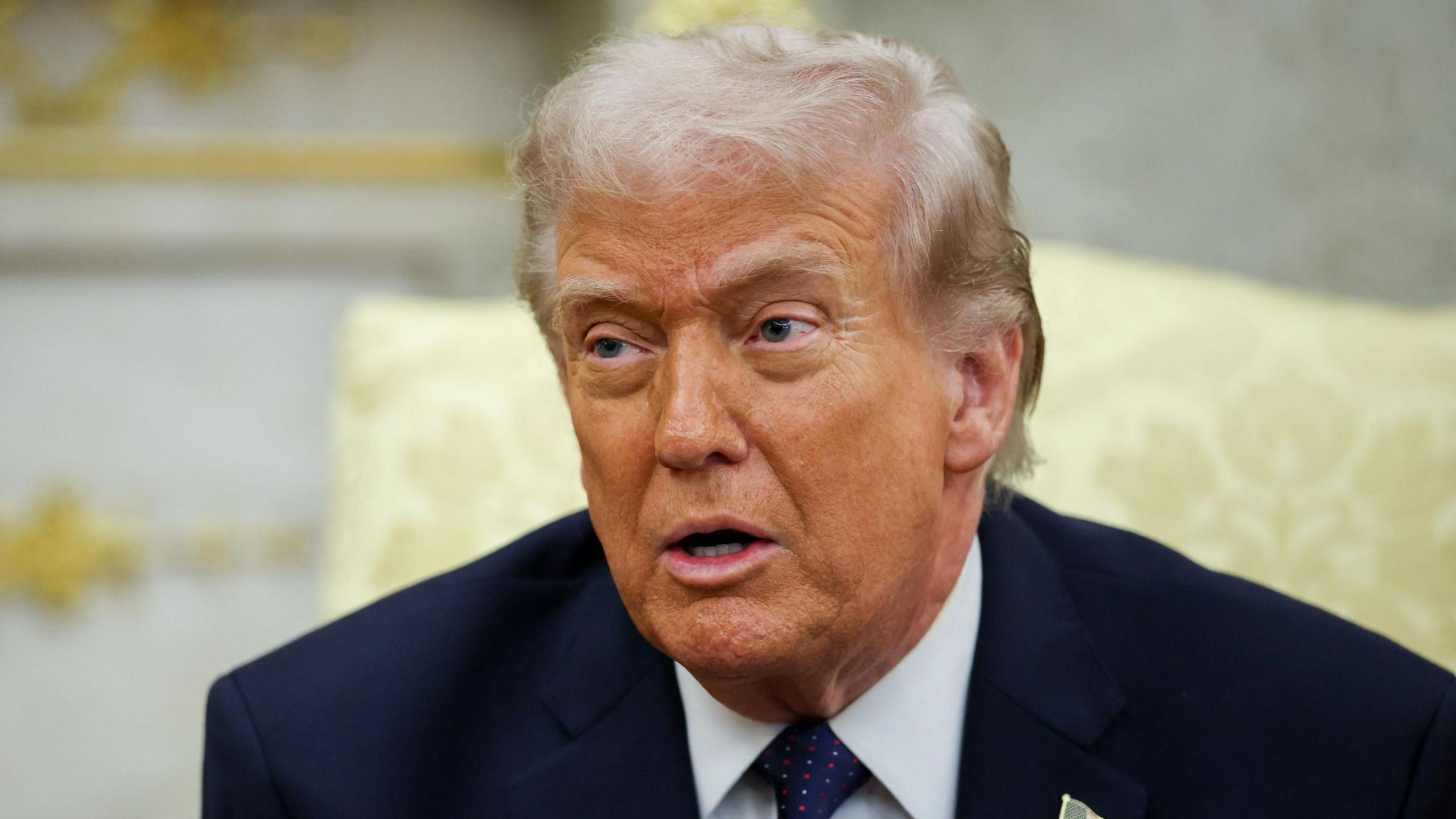
US President Donald Trump has stated he “does not care” whether Iran participates in the 2026 FIFA World Cup, co-hosted by the United States, Canada, and Mexico from June 11 to July 19, 2026. Speaking to Politico on March 3, 2026, Trump remarked, “I really don’t care. I think Iran is a very badly defeated country. They’re running on fumes.” His comments arrive amid an intensifying conflict involving US and Israeli strikes on Iran, followed by Iranian retaliatory attacks targeting US allies in the Gulf region. For online readers following developments in the 2026 FIFA World Cup Iran participation debate, the situation underscores the intersection of geopolitics and global sport just over 100 days before kickoff.
Moreover, Iran’s football federation president Mehdi Taj has cast significant doubt on the team’s involvement. In remarks reported across multiple outlets on March 1-2, 2026, Taj stated, “What is certain is that after this attack, we cannot be expected to look forward to the World Cup with hope.” He added that sports authorities would determine any necessary actions, though no formal withdrawal has been confirmed as of March 4, 2026. Taj’s comments follow US and Israeli military operations that have caused widespread disruption and casualties in Iran, prompting Tehran to launch missile and drone strikes on regional targets including US interests and Gulf states.
Iran’s Group Stage Schedule and Logistical Challenges
Iran qualified automatically as a top-ranked Asian side and were drawn into Group G. Their scheduled matches are:
Iran’s 2026 World Cup Group G Fixtures
| Date | Opponent | Venue | Time (Local/ET) |
|---|---|---|---|
| June 15, 2026 | New Zealand | Los Angeles Stadium, Inglewood, CA | 9:00 p.m. ET |
| June 21, 2026 | Belgium | Los Angeles Stadium, Inglewood, CA | 3:00 p.m. ET |
| June 26, 2026 | Egypt | Seattle Stadium, Seattle, WA | 11:00 p.m. ET |
All three games are on US soil, presenting immediate logistical hurdles given the ongoing conflict and existing US travel restrictions on Iranian nationals (with exemptions for World Cup participants). The US travel ban, reintroduced and expanded under the Trump administration, already complicates fan travel and team logistics, though FIFA has secured exemptions for athletes, officials, and support staff.
FIFA’s Position and Monitoring Efforts
FIFA has maintained a measured stance amid the crisis. Secretary General Mattias Grafström stated on March 1, 2026, that the organization is “monitoring developments around all issues around the world” and remains focused on “a safe World Cup with everybody participating.” FIFA has not issued further public statements altering plans, though internal contingency discussions are likely underway. The governing body faces the unprecedented scenario of a co-host nation engaged in active conflict with a qualified participant.
Additionally, Iran’s absence from a recent FIFA planning meeting in Atlanta for participating nations has fueled speculation, though no official explanation has been provided beyond the conflict. If Iran withdraws—voluntarily or due to external factors—FIFA regulations allow for replacement teams or schedule adjustments, potentially drawing from Asian playoff contenders or regional qualifiers.
Broader Implications for the 2026 World Cup
The conflict has disrupted Gulf states, with Iranian strikes targeting energy infrastructure, airports, and US bases in countries including Saudi Arabia, the UAE, Qatar, Bahrain, Kuwait, and Oman. These attacks have crippled tourism, knocked facilities offline, and caused civilian casualties, raising serious security concerns for a tournament spanning three nations.
Trump’s dismissal aligns with the administration’s aggressive posture toward Iran, but it contrasts with FIFA’s emphasis on inclusivity and safety. The tournament’s scale—48 teams across 16 host cities—already poses immense logistical demands; geopolitical instability adds layers of complexity involving visas, travel routes, fan safety, and potential boycotts.
For fans and analysts following the 2026 FIFA World Cup Iran participation situation, the coming weeks will be critical. FIFA’s monitoring efforts, diplomatic channels, and contingency planning will determine whether Iran competes or if adjustments become necessary. The tournament remains on track for June 11, but the Middle East conflict introduces uncertainty that could reshape the event’s legacy.
As preparations continue, the focus remains on delivering a secure and inclusive World Cup. Whether Iran ultimately participates will depend on political, military, and diplomatic outcomes beyond the pitch. For now, FIFA, host nations, and participating teams navigate an extraordinary challenge where sport and global events intersect in unprecedented ways.

