
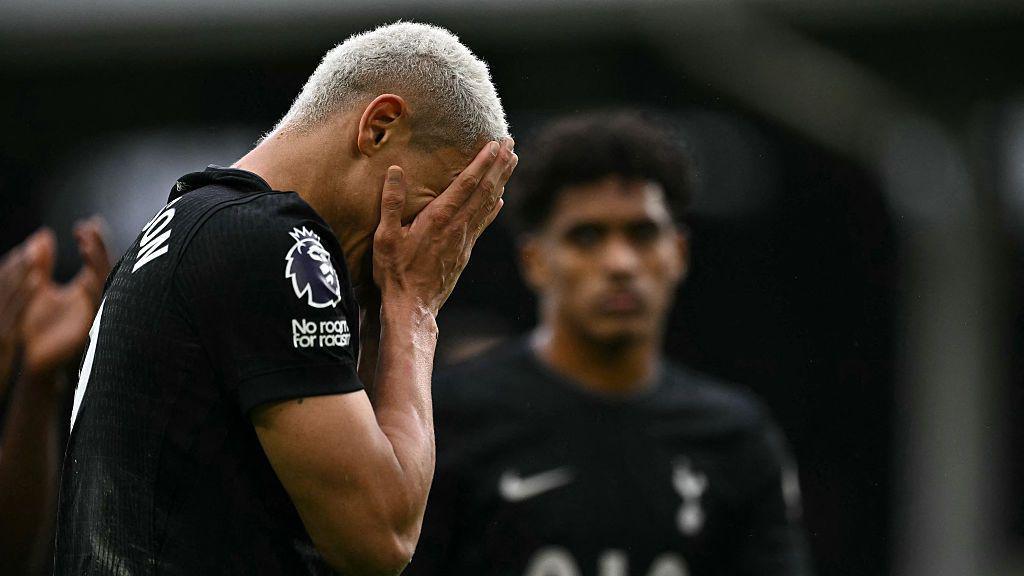
The prospect of Tottenham Hotspur—one of the Premier League’s wealthiest and most established clubs—facing relegation to the Championship once seemed unthinkable. Yet, as of early March 2026, with the 2025-26 season approaching its final stretch, Spurs find themselves perilously close to the drop zone. Currently sitting 16th in the Premier League table with 29 points from 29 matches (7 wins, 8 draws, 14 losses, goal difference -7), they are just one point above 18th-placed West Ham United. A dismal run of form, including multiple consecutive defeats, has heightened the relegation risk for Tottenham, making the unthinkable a realistic possibility.
While Wolves and Burnley appear destined for the bottom two spots, several teams—including West Ham, Nottingham Forest, and Leeds—remain in the relegation scrap. Spurs are not outright favorites to go down, but their position demands urgent improvement to avoid catastrophe.
The Financial Catastrophe of Relegation
Should Tottenham suffer Premier League relegation, the financial fallout would be devastating. Last season’s revenue reached approximately £555 million according to recent UEFA reports, placing Spurs ninth among European clubs. However, dropping to the Championship could slash income by up to £261 million, based on detailed BBC Sport analysis.
This massive shortfall stems from multiple revenue streams collapsing simultaneously. First, matchday income—previously £130 million, among Europe’s highest—would plummet. Spurs’ state-of-the-art stadium has driven high ticket prices, averaging £76 per fan, with a strong emphasis on premium hospitality and corporate packages. In the Championship, fixtures against sides like Lincoln City or similar opponents would command far lower prices and likely reduced attendances, eroding this lucrative stream.
Broadcast revenue represents another critical blow. The Premier League’s domestic and international deals generate enormous funds—even relegated teams like Ipswich Town have out-earned giants like Barcelona in this category in past seasons. Relegation would eliminate access to these billions in collective revenue. Additionally, any Champions League participation income (tens of millions) would vanish unless Spurs somehow win a major European trophy to secure re-entry.
Commercial income, a club-record £269 million last year, would also suffer severe damage. Key sponsorships, including Nike (kit) and AIA (front-of-shirt), worth around £70 million combined annually, contain relegation clauses that trigger sharp reductions in value. Furthermore, hosting fewer high-profile events and concerts at the stadium— a key revenue driver—could compound the losses.
Why Expenses Won’t Offset the Revenue Crash
While some costs would decrease, they would not compensate for the income drop. Player wages, the largest expense at £276 million last year, include widely reported 50% reduction clauses upon relegation. If applied across the squad, this could halve the wage bill to around £138 million starting July 1.
However, many other outgoings remain stubbornly high or even rise. Operational costs—utilities, insurance, transport, marketing, and administration—totaled £260 million last year, the third-highest in Europe and up £27 million from the prior period. Powering the stadium for a Championship match against Norwich costs the same as for Newcastle in the Premier League. With 877 full-time employees (up 57 year-on-year), staffing levels and salaries would persist unless drastic cuts occur.
Spurs posted a £129 million pre-tax loss last year, ranking third-worst among European clubs per UEFA’s latest figures, despite strong revenue. Relegation would likely deepen these deficits, turning a short-term sporting issue into a multi-year financial recovery challenge, as football finance expert Kieran Maguire notes.
Strategic Criticism and the Path Forward
Critics, including former Spurs star Gareth Bale, argue the club’s cautious approach has contributed to this vulnerability. Bale highlighted a lower wage bill compared to ambitious rivals and a preference for young prospects over “finished” high-cost players. He suggested Spurs need to “gamble” more financially—spending £80-100 million on proven talent—to match their stadium, facilities, and fanbase potential.
For a club with Tottenham’s scale and ambitions, relegation would transcend on-pitch disappointment. It would demand restructuring, potential asset sales, and years of rebuilding to regain Premier League status and financial stability.
As the season enters its decisive phase, every point matters. Tottenham’s relegation battle serves as a stark reminder: even the most resourced clubs are not immune to the Premier League’s unforgiving competitiveness. Avoiding the drop is now not just about pride—it’s about safeguarding a financial future worth hundreds of millions.

