
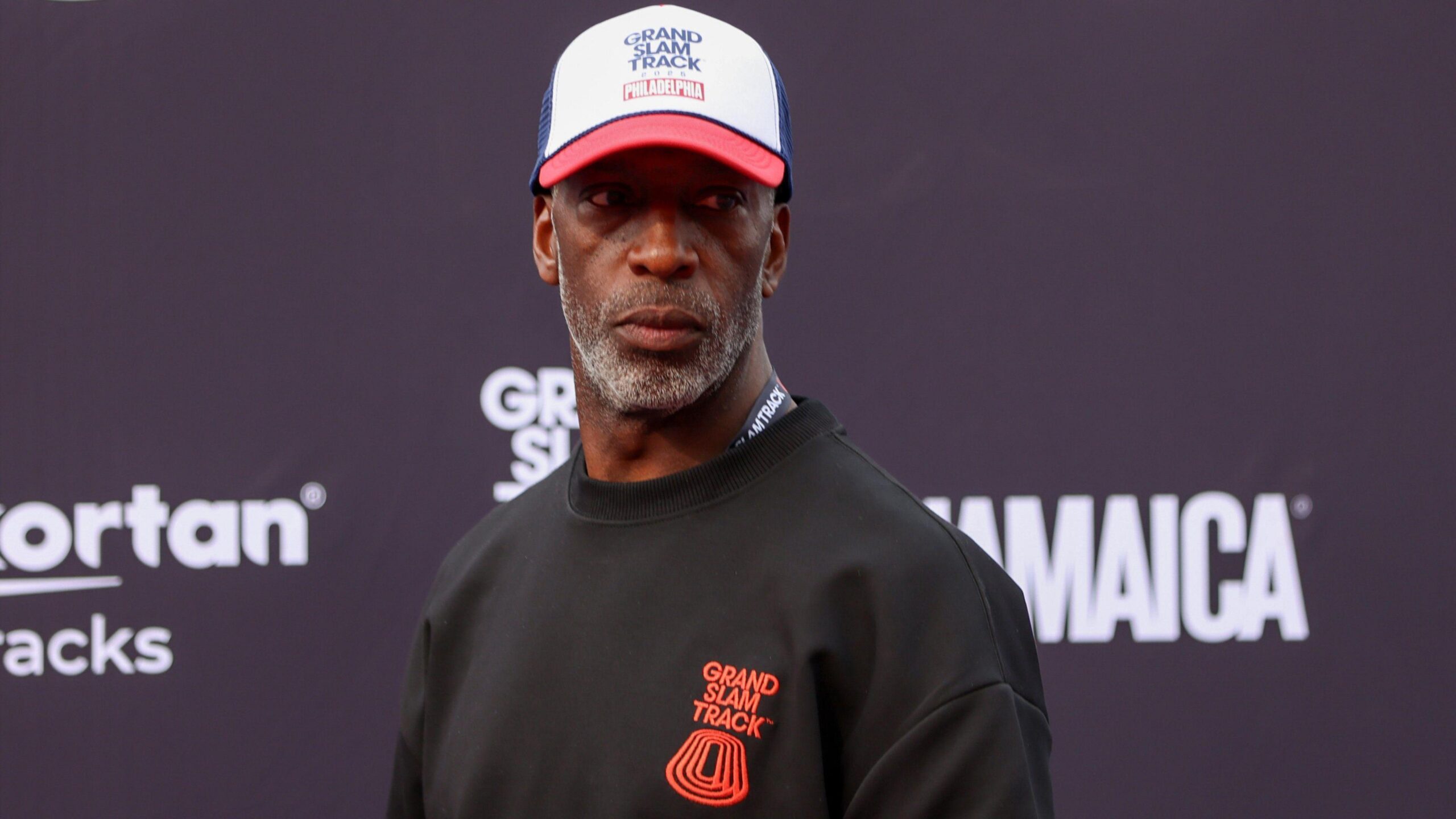
Michael Johnson, the four-time Olympic champion and founder of the short-lived Grand Slam Track (GST) league, has confirmed he will repay $500,000 (£375,000) that was the subject of controversy following the project’s bankruptcy. The payment, made days before GST’s collapse in December 2025, has been described by Johnson and his representatives as a partial reimbursement of personal expenses advanced on behalf of the league and its athletes.
The development comes as GST works to restructure under bankruptcy proceedings in Delaware. A legal filing by vendors accused Johnson of secretly paying himself the sum eight days before the league folded. GST called the accusation “unfounded and false.” A spokesperson for the league stated that, while Johnson maintains the funds were a reimbursement, he and Winners Alliance have agreed to return the amount to the bankruptcy plan to ensure greater distribution to creditors and support efforts to potentially revive the competition.
Background to the Grand Slam Track Collapse
Grand Slam Track was launched with ambitious plans to create a new premium track and field league featuring high prize money and salaries for top athletes. Three events were successfully staged in 2025: in Kingston, Miami, and Philadelphia. However, the fourth and final event was cancelled, and the league voluntarily filed for bankruptcy in the United States shortly afterward.
Contracted athletes had been promised significant financial rewards, but many were left unpaid when operations ceased. The Association of Athletics Managers reported in January 2026 that GST owed more than $30 million (£22.5 million) in total. Among those affected was British middle-distance runner Josh Kerr, who is listed in legal documents as being owed $168,750 (£123,000).
World Athletics, the sport’s governing body, issued a firm statement in February 2026: “It is unconscionable that efforts would be made for Grand Slam Track to restart in 2026 without the settlement of outstanding financial obligations to athletes, vendors and service providers.” The organization made clear it would only consider licensing or supporting any future GST events once all debts from the 2025 season are settled.
Johnson’s Personal Investment and the Reimbursement Dispute
In May 2025, Johnson personally invested $2.25 million (£1.68 million) into the project after Eldridge Industries withdrew a planned $40 million (£30 million) commitment. His representatives have consistently maintained that the $500,000 payment in question was a partial reimbursement of expenses he had advanced for the benefit of athletes and league operations.
Johnson’s spokesperson emphasized: “Michael has asserted defences to the claim, including that this was a partial reimbursement of over $2m (£1.5m) of expenses advanced by Michael for the benefit of the athletes.”
The repayment agreement is intended to facilitate a smoother reorganization process and increase distributions to creditors. Under the amended bankruptcy plan, athletes are expected to receive approximately 70% of their owed prize money, while unsecured creditors would recover around 15%.
Broader Implications for Track and Field
The collapse of Grand Slam Track has raised concerns about the financial stability of breakaway or alternative leagues in athletics. World Athletics president Sebastian Coe warned in December 2025 that the situation risked setting a “dangerous precedent” regarding unpaid debts in the sport.
The episode has also highlighted the challenges of launching new professional circuits in a sport traditionally dominated by the established calendar of Diamond League meetings, world championships, and Olympic cycles. While GST aimed to offer athletes higher earnings and more frequent competition, its rapid failure has left a trail of unpaid obligations and damaged trust.
Johnson, 58, has been a prominent figure in athletics since his own record-breaking career in the 1990s, where he became the only man to win both the 200m and 400m gold at the same Olympics (Atlanta 1996). After retiring, he transitioned into broadcasting and later entrepreneurship with GST.
The BBC has confirmed there are no plans to use Johnson in its athletics coverage for 2026. Johnson’s spokesperson clarified: “Michael wishes to clarify that it was his decision not to continue with the BBC after the Paris 2024 Games. With his contract up for renewal after the Olympics, and Grand Slam Track launching soon after, he chose to focus fully on the project.”
Looking Ahead
The repayment of the $500,000 is a constructive step toward resolving GST’s bankruptcy proceedings. Whether the league can ultimately be revived remains uncertain, particularly given World Athletics’ firm stance on settling all outstanding debts first.
For athletes who were contracted to compete, the situation has been disappointing and financially damaging. Many had anticipated a lucrative new platform, only to face uncertainty and delayed payments.
Johnson’s willingness to return the funds demonstrates accountability and may help facilitate a fairer distribution to creditors. As the bankruptcy process continues, the athletics community will watch closely to see whether lessons are learned and whether new models for professional track and field can emerge without repeating the financial pitfalls that led to GST’s downfall.

