Tottenham Hotspur Part Ways with Igor Tudor After Brief and Troubled 44-Day Tenure
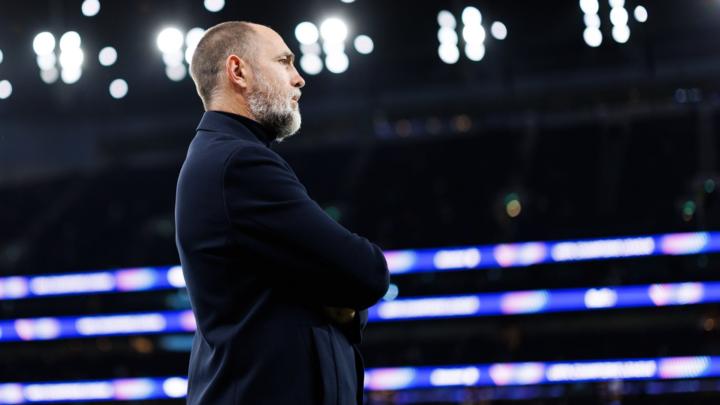
Tottenham Hotspur have mutually agreed to part ways with interim head coach Igor Tudor with immediate effect, bringing to a close a turbulent 44-day period that yielded just one point in the Premier League and heightened the club’s relegation fears. The decision, announced on March 23, 2026, follows a damaging 3-0 home defeat to Nottingham Forest on March 22, leaving Spurs 17th in the table and only one point above the relegation zone with seven matches remaining.
Goalkeeping coach Tomislav Rogic and physical performance coach Riccardo Ragnacci have also departed. Spurs confirmed an update on a new head coach would be provided in due course, underscoring the urgency to stabilise the squad amid a desperate fight for Premier League survival.
A High-Risk Appointment That Failed to Deliver
Tudor was appointed on February 14, 2026, following the dismissal of Thomas Frank, on a short-term deal until the end of the season. The move was widely viewed as a left-field gamble. The 47-year-old Croatian arrived with a reputation for delivering quick impacts at previous clubs, but that never materialised at Tottenham.
His tenure began disastrously, with defeats in each of the first four matches. The sequence included a heavy 4-1 loss to Arsenal, followed by defeats against Fulham and Crystal Palace in the league, and a calamitous 5-2 Champions League last-16 first-leg defeat away to Atletico Madrid. A late equaliser from Richarlison earned a first point at Liverpool, and Spurs produced an honourable second-leg performance against Atletico, but the Nottingham Forest loss proved decisive.
Under Tudor, Spurs collected just one Premier League point—the fewest of any side during that period. The team has now gone 13 league matches without a win since a 1-0 victory over Crystal Palace on December 28, 2025. Their last win in any competition came against Eintracht Frankfurt on January 28, 2026.
Chief football writer Phil McNulty described the appointment as “a left-field gamble that went wrong from the start,” noting that the episode reflected more poorly on the club’s hierarchy than on Tudor himself.
Underlying Challenges and Tactical Struggles
Tudor inherited a squad ravaged by injuries and stripped of confidence. Key players including James Maddison and Dejan Kulusevski have been sidelined for extended periods, disrupting continuity. Tactical experimentation and frequent changes in personnel suggested even Tudor struggled to find the right formula.
The low point came in Madrid, where he gambled on young goalkeeper Antonin Kinsky ahead of first-choice Guglielmo Vicario. Kinsky was substituted after just 17 minutes following two errors that handed Atletico a 3-0 lead. Tudor faced criticism for ignoring Kinsky as he left the pitch, with teammates providing the necessary support.
The appointment itself raised eyebrows. Sources suggested it may have been influenced by former sporting director Fabio Paratici, though the club’s current leadership—chief executive Vinai Venkatesham and sporting director Johan Lange—bore responsibility for the decision.
The Stakes for Tottenham’s Hierarchy
Tottenham’s hierarchy now faces intense pressure. With the team perilously close to relegation for the first time since 1977, the next managerial appointment carries enormous consequences. A wrong choice could accelerate the slide into the Championship, inflicting long-term damage on the club’s finances, status, and fanbase.
Speculation around potential successors is already intensifying. Roberto De Zerbi remains the leading candidate for the permanent role, but whether he would accept an interim salvage mission with the threat of relegation looming is uncertain. Other names linked include Sean Dyche, Ryan Mason, and even former managers Harry Redknapp and Glenn Hoddle, though the short-term nature of the role makes it unattractive for many established coaches.
The club must act decisively. The next Premier League fixture is away to Sunderland on April 12, 2026, followed by a demanding run including Brighton (home), Wolves (away), Aston Villa (away), Leeds (home), Chelsea (away), and Everton (home).
Lessons from a Brief and Costly Chapter
Tudor’s departure highlights the risks of reactive decision-making during a crisis. While sympathy exists for the challenges he faced—including the recent death of his father—the experiment failed to deliver stability or results. Spurs collected fewer points under Tudor than any other Premier League side in the same period, accelerating the decline that began earlier in the season.
The club’s current position reflects deeper structural issues: chronic injuries, loss of confidence, and tactical uncertainty. Venkatesham and Lange must now demonstrate clearer leadership to navigate the club through its most precarious period in decades.
For Tottenham supporters, the priority is survival. The club’s proud history of top-flight football since 1978 is at risk. The hierarchy’s next move will be pivotal in determining whether this season ends in catastrophe or narrow escape.
As the search for a new head coach begins, Tottenham must prioritise stability, tactical clarity, and squad motivation. The coming weeks will test the club’s resilience like never before. With relegation a genuine threat, there is no margin for further error.
Follow for real-time match analysis!
Discover more from DeeplyticAI
Subscribe to get the latest posts sent to your email.