Gabriele Gravina Resigns as FIGC President Following Italy’s Third Consecutive World Cup Absence
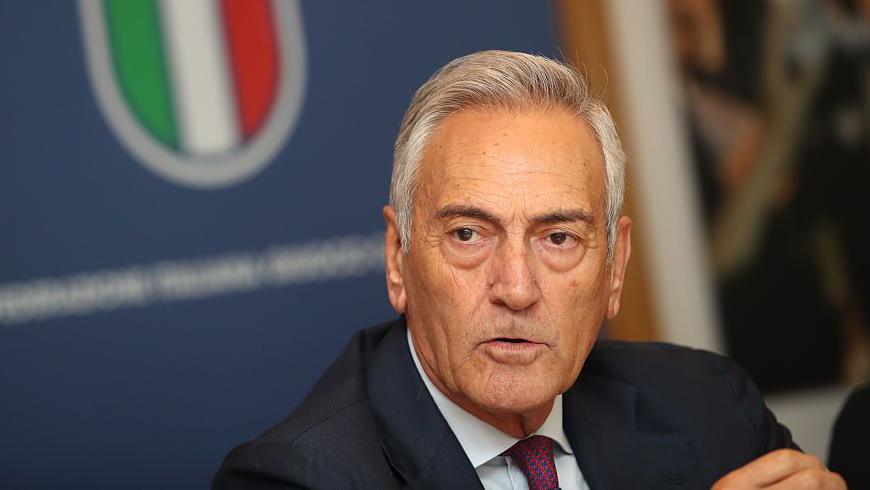
Italian Football in Crisis as Gravina Steps Down After 2026 World Cup Play-Off Defeat
Gabriele Gravina has resigned as president of the Italian Football Federation (FIGC) after the national team failed to qualify for the 2026 FIFA World Cup. This marks Italy’s third successive absence from football’s premier tournament, a historic low for the four-time world champions.
The decisive blow came on 31 March 2026, when Italy lost 4-1 on penalties to Bosnia and Herzegovina in the World Cup play-off final in Zenica. Alessandro Bastoni’s first-half red card left Italy with ten men, and although the Azzurri took the lead, they conceded an equaliser before collapsing in the shootout. Only Sandro Tonali scored from the spot for Italy, while Bosnia converted all four of their penalties to secure qualification.
Gravina, aged 72 and also UEFA’s first vice-president, announced his resignation on 2 April 2026 following an emergency meeting at the FIGC headquarters in Rome. He had led the federation since October 2018, taking over after a previous play-off failure under his predecessor Carlo Tavecchio.
Gravina’s Tenure Marked by Euro 2020 Triumph and World Cup Struggles
During Gravina’s time in charge, Italy enjoyed a major high by winning Euro 2020, defeating England on penalties at Wembley Stadium in the final. That success brought renewed optimism after missing the 2018 World Cup in Russia. However, the federation has faced mounting criticism for failing to build on that momentum.
Italy also missed the 2022 World Cup in Qatar, and the latest elimination extends the country’s absence from the global stage to at least 16 years. No previous World Cup winner has ever missed three consecutive editions, making this a particularly painful milestone for the Azzurri.
Before stepping down, Gravina had appointed both Luciano Spalletti and current coach Gennaro Gattuso. He publicly asked Gattuso to remain in post despite the disappointment, though broader changes at the federation now appear inevitable. The FIGC confirmed that an extraordinary elective assembly to choose a new president will take place on 22 June 2026 in Rome.
Giovanni Malagò, former president of the Italian Olympic Committee and head of the Milan-Cortina 2026 Winter Olympics organising committee, has emerged as a leading candidate for the role.
UEFA Warning Over Italy’s Euro 2032 Co-Hosting Future
The resignation comes amid additional pressure on Italian football infrastructure. UEFA President Aleksander Čeferin has warned that Italy risks losing its status as co-host of the 2032 European Championship alongside Turkey unless significant upgrades are made to its stadiums.
Italy and Turkey are scheduled to host the tournament, but many Italian venues remain outdated. Several clubs have struggled to modernise their grounds due to bureaucratic disputes with public authorities. The FIGC must submit a list of five suitable stadiums to UEFA by October 2026.
Čeferin told Gazzetta dello Sport: “Euro 2032 is scheduled and will take place. I hope the infrastructure will be ready. Otherwise, the tournament will not be played in Italy.” He emphasised that the issue lies with broader infrastructure challenges rather than any single individual, noting that Italian politicians should address why the country has some of the worst football facilities in Europe. Čeferin had previously supported Gravina but acknowledged the need for systemic improvements.
Reactions and Calls for Rebuilding Italian Football
The play-off defeat triggered widespread disappointment across Italy, with many describing it as a “third apocalypse” for the national team. Captain Gianluigi Donnarumma vowed to help restore pride to the Azzurri, while fans and media expressed frustration over repeated failures despite the talent available in Serie A.
Sports Minister Andrea Abodi had publicly called for leadership changes at the FIGC, arguing that Italian football needs rebuilding from the top. Gravina’s departure, followed quickly by Gianluigi Buffon stepping down as national team delegation chief, signals the start of a major transitional period.
What Lies Ahead for the Azzurri and Italian Football
Italy’s latest World Cup absence raises fundamental questions about development pathways, coaching stability, and investment in youth and infrastructure. While the Euro 2020 victory proved the squad’s potential, consistent qualification for major tournaments remains elusive.
The upcoming FIGC election on 22 June will determine the federation’s direction at a critical time. Whoever takes over must address not only on-pitch performance but also off-field challenges, including stadium modernisation ahead of the 2032 European Championship bid.
For online readers passionate about Italian football, Azzurri news, and World Cup 2026 developments, this leadership change represents a pivotal moment. It offers an opportunity for renewal but also highlights the deep structural issues facing one of football’s most storied nations.
As Italy reflects on another missed World Cup, the focus shifts toward rebuilding confidence and competitiveness. Success in future European qualifiers and domestic league improvements will be essential steps on the long road back to global prominence. The coming months will reveal whether the federation can translate this moment of crisis into meaningful, lasting progress.
Follow for real-time match analysis!
Discover more from DeeplyticAI
Subscribe to get the latest posts sent to your email.