
The Ongoing Debate Over Hair Pulling as Violent Conduct in Premier League Matches
Hair pulling incidents continue to spark heated discussions in the Premier League, with managers, pundits, and fans questioning whether such actions deserve classification as violent conduct leading to straight red cards and three-match bans. The latest controversy erupted on April 13, 2026, when Manchester United defender Lisandro Martinez received a red card against Leeds United for pulling the hair of striker Dominic Calvert-Lewin during an aerial challenge at Old Trafford.
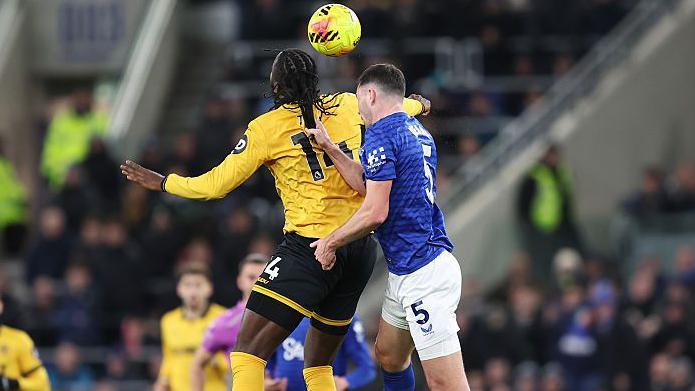
Interim manager Michael Carrick described the decision as one of the worst he had ever seen, labeling it shocking and suggesting the club might appeal. This reaction echoed earlier frustration from Everton boss David Moyes in January 2026, when defender Michael Keane was sent off for a similar hair pull on Wolves striker Tolu Arokodare. Both cases highlight a strict, consistent approach by officials and VAR, yet many argue it lacks common sense and proportionality.
Recent Incidents Fueling the Hair Pulling Controversy
In the United versus Leeds fixture, Martinez was dismissed in the 56th minute while the home side trailed 2-0. VAR instructed referee Paul Tierney to review the pitchside monitor, resulting in a straight red for violent conduct after clear evidence of hair pulling. Martinez will now serve an automatic three-match suspension, further straining United’s defensive resources amid existing injuries.
Similarly, Keane’s red card in Everton’s draw with Wolves followed a VAR review. Moyes called the punishment ridiculous and appealed unsuccessfully against both the card and the length of the ban. These events are not isolated. Earlier precedents, such as Tottenham’s Cristian Romero tugging Chelsea’s Marc Cucurella by the hair in August 2022, initially escaped punishment when VAR opted not to intervene. That moment appears to have prompted a zero-tolerance policy thereafter.
Pundits have voiced strong opinions. On BBC platforms, former striker Alan Shearer stated emphatically that Martinez’s dismissal was “never a red card, not in the Premier League,” warning of the direction the game could take if minor contacts are treated so harshly.
Why Hair Pulling Is Classified as Violent Conduct
According to Premier League guidance and the Laws of the Game, hair pulling qualifies as violent conduct when a player makes a clear action to pull an opponent’s hair with force. This classification applies particularly when the action occurs off the ball or outside a legitimate challenge for possession. Referees’ chief Howard Webb defended the approach after the Keane incident, describing hair pulling as “quite an offensive thing” that causes pain and shock by yanking hair away from the scalp.
Webb emphasized that clubs receive clear pre-season briefings on this rule. “Grabbing somebody’s hair with force is deemed violent conduct and a player will be sent off,” he noted, adding that the same outcome would apply in future similar cases. The policy aims for consistency: if definitive video evidence shows hair pulling, VAR intervenes, and the result is a red card.
However, this one-size-fits-all stance creates friction. Unlike some leagues that start with shorter bans and extend them case-by-case, the Premier League applies an automatic three-match suspension for violent conduct and serious foul play alike. This equates a brief hair tug with more dangerous acts such as headbutts or reckless tackles.
The Challenge of Proportionality and Punishment
Many stakeholders question whether a three-game ban always fits the offence. Managers like Carrick and Moyes face depleted squads, making the automatic suspension particularly punishing. Appeals rarely succeed, as seen with Everton’s two-to-one rejection by an FA panel of former players. United may attempt a similar appeal for Martinez, though the similarity to prior cases reduces the likelihood of success.
Fans often struggle to view hair pulling as equivalent to punching, elbowing, or spitting. They argue it belongs in a separate category rather than being grouped under violent conduct. In contrast, biting or spitting already carries longer minimum bans and distinct treatment. A sliding scale—one, two, or three games depending on severity—could offer more nuance while maintaining deterrence.
Evidence thresholds also vary. Not every alleged hair pull leads to action; Fulham’s Kenny Tete escaped scrutiny against Manchester City in February 2026 because VAR deemed the footage inconclusive. Meanwhile, incidents in the EFL, Women’s Super League, and international competitions have resulted in bans when camera evidence was clear.
Balancing Consistency, Common Sense, and Player Safety
Supporters of the current rule stress that hair pulling cannot form part of a legitimate football challenge. Even during an aerial duel, yanking hair falls outside normal physical contact and can jolt the head painfully. This perspective prioritizes player welfare and discourages “dark arts” that video technology now exposes more readily.
Critics, however, point to moments where force appears minimal or accidental, such as when a player reaches for a shirt and catches hair instead. They highlight inconsistencies, like Arsenal’s Katie McCabe avoiding a red card for a hair pull in the Women’s Champions League, which drew anger from Chelsea manager Sonia Bompastor.
The debate also extends to broader refereeing standards. While VAR improves accuracy on clear offences, its intervention in marginal cases can disrupt match flow and frustrate participants. Annual reviews by the Premier League allow input from clubs and captains, providing an opportunity to refine interpretations each summer.
Potential Reforms and the Future of Hair Pulling Rules
Former Premier League assistant referee Darren Cann has suggested creating a dedicated category for hair pulling. This would permit graduated sanctions based on context and force, similar to how other specific acts are handled. Such a change could reduce perceptions of over-punishment without undermining the message that deliberate hair pulling remains unacceptable.
Until reforms occur, players with longer hair may face heightened risk, while bald or short-haired opponents enjoy unintended protection. The policy’s strict application ensures predictability, yet it sometimes clashes with the instinctive physicality of elite football.
Why This Debate Matters for Premier League Fans and the Game
For online readers following Premier League controversies, VAR decisions, and red card debates, hair pulling incidents encapsulate wider tensions between tradition and technology. They raise fundamental questions: How should officials balance consistency with common sense? When does physical contact cross into violence? And does the punishment truly reflect the crime?
As the 2025-26 season progresses, similar flashpoints seem inevitable given modern hairstyles and intense aerial battles. The Martinez red card against Leeds has reignited calls for reconsideration, but Howard Webb’s firm stance suggests the zero-tolerance line will hold for now.
Ultimately, football thrives on passion and physicality, yet it must evolve to remain fair and entertaining. A nuanced approach to hair pulling could address frustrations while preserving the sport’s integrity. Until then, managers will continue voicing dismay, pundits will debate on air, and fans will argue passionately online—reminding everyone that even small actions can have outsized consequences in the world’s most watched league.

