Ellie Kildunne Body Dysmorphia Struggle: England Rugby Star Opens Up on Disordered Eating and Recovery
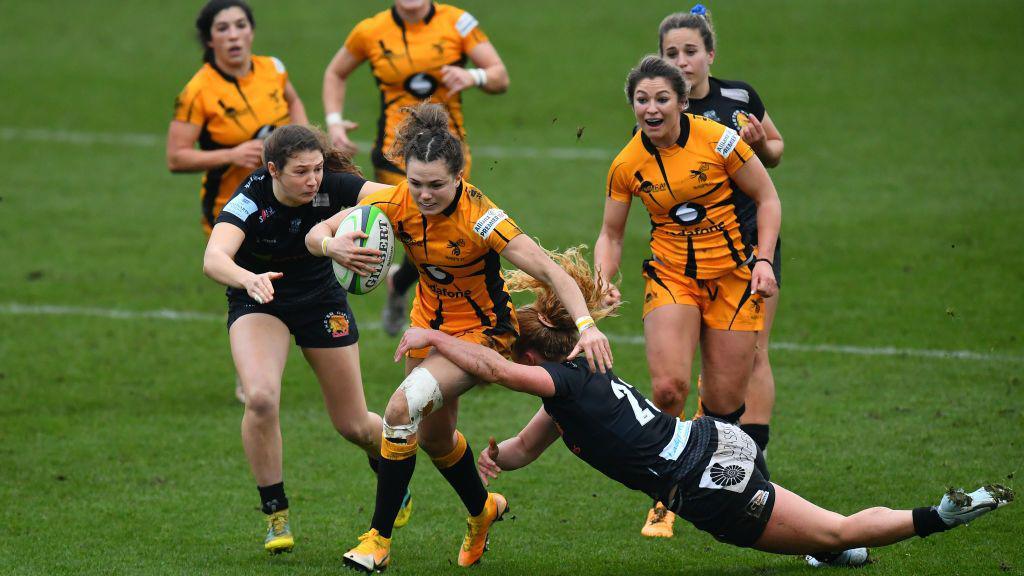
From World Cup Glory to Personal Battle – Ellie Kildunne Shares Her Journey with Body Dysmorphia
England rugby star Ellie Kildunne has bravely revealed her past struggles with body dysmorphia and disordered eating, highlighting how the isolation of the coronavirus lockdown intensified her challenges. The 26-year-old full-back, a key figure in the Red Roses’ 2025 Women’s Rugby World Cup triumph, scored five tries during the tournament, including a memorable solo effort in the final against Canada. Yet behind the success on the pitch, she faced significant mental and physical difficulties that affected her relationship with food and her self-image.
Kildunne, who now plays for Harlequins, wants to use her platform to support others experiencing similar issues. Her candid account, shared in recent interviews and her new autobiography Game Changer (released in April 2026), underscores the pressures athletes face when control and structure disappear from their routines. Transitioning from elite competition to lockdown uncertainty left her vulnerable, as competitive instincts found new, unhealthy outlets.
Lockdown Isolation and the Search for Control
During the pandemic, Kildunne was training with Great Britain’s sevens squad ahead of the postponed 2020 Olympics (held in 2021). Without access to team facilities, gyms, or structured sessions, she turned to running and calorie restriction to regain a sense of control. “Our lives as athletes are surrounded by control — you’ve got to reach certain metrics on your GPS, you’re chasing weights in the gym, you’re trying to score the try,” she explained. “Once that’s taken away from you, I think I just tried to find that sense of control in other places.”
She began chasing faster running times on different routes while eating less. When meals with friends arose, she would compensate by exercising beforehand to “earn” the food. Over time, this pattern escalated. “I could probably see myself getting a little bit smaller, but then was still trying to chase being smaller on top of that,” Kildunne added. In the mirror, she perceived herself as larger despite becoming physically smaller, a classic symptom of body dysmorphia.
The absence of team support — including physios and teammates — compounded the issue. In the rugby environment, she felt small; outside it, she felt big. This left her without a comfortable space to belong, leading to a “terrible relationship with food.” Looking back, she acknowledges the behaviour seems illogical now, yet at the time it provided a misguided outlet for her drive and uncertainty about the future.
Physical Consequences and the Turning Point
The effects soon manifested on the pitch. Upon returning to organised rugby, Kildunne suffered a stress fracture in her knee, likely due to insufficient muscle mass to handle training demands. In the gym, her limbs would shake involuntarily from lack of energy and fuel. Switching from sevens to fifteens exposed further weaknesses: she lacked power in contact, frequently lost the ball, and struggled with tackles, eroding her confidence.
To feel stronger, she started wearing shoulder pads. However, a pivotal moment came during a physiotherapy session at her then-club Wasps. Physiotherapist Emily Ross, who had previously worked with Kildunne in sevens, not only assessed her physically but also asked how she was doing mentally. Kildunne broke down in tears, relieved that someone had noticed. “I knew I had a problem, but it was something that I wasn’t even trying to stop,” she recalled.
That honest conversation created accountability. Ross became a vital support, helping Kildunne address her issues. This intervention marked the beginning of recovery, shifting her focus toward healthier habits.
ADHD Diagnosis and Ongoing Management Strategies
At the start of 2025, Kildunne received a diagnosis of ADHD (attention deficit hyperactivity disorder). She describes the condition as sometimes causing distraction and difficulty prioritising eating properly. However, understanding her neurodiversity has empowered her. She now views food as fuel for performance and implements practical systems: eating without distractions and alerting team nutritionists for extra support.
“I think it’s ongoing,” she said. “I wouldn’t say I’ve got a bad relationship with food now, but it’s something that you’ve always got to be conscious of, because I’ve got those habits somewhere.” These proactive steps, combined with professional guidance, have helped her maintain balance while continuing her elite career.
Broader Conversations in Women’s Rugby About Body Image
Kildunne is not alone in addressing these challenges. US centre Ilona Maher has described her relationship with food as a “never-ending battle,” balancing societal expectations with the comfort food provides. England teammate Sarah Bern, who played alongside Maher at Bristol Bears, has spoken openly about teenage body image struggles. Bern expresses amazement at the positive responses from girls and women, noting how sharing her story has helped many feel seen and supported.
“I don’t want a younger version of me or any young girl growing up thinking that they have to restrict themselves… to think of themselves as beautiful,” Bern said. Such testimonies highlight the importance of role models in normalising discussions around mental health and body image in women’s sport.
Using Her Platform for Positive Change
With her World Cup success — England defeated Canada 33-13 in the 2025 final at Allianz Stadium (Twickenham) in front of a record 81,885 fans — Kildunne has gained significant influence. She aims to leverage this to help others, emphasising that life at the top is far from perfect. “From the outside it all looks perfect, and I want to show people that no one’s perfect. Just because I’m a rugby player for England doesn’t make me this superhero.”
Through her book Game Changer and public conversations, she hopes to offer the support she once needed. “I feel like I’m in control now, that I can talk about something and it not trigger me. I have finally started to realise the influence that I can have on other people.”
Her message resonates strongly with online readers interested in women’s rugby, athlete mental health, body dysmorphia in sport, and eating disorder recovery. By sharing vulnerabilities alongside achievements, Kildunne humanises elite athletes and encourages open dialogue.
The Power of Speaking Out and Seeking Help
Kildunne’s story illustrates how competitive drive, combined with isolation and neurodiversity, can lead to harmful patterns. Yet it also demonstrates resilience through support, diagnosis, and reframing habits. Her experience encourages athletes and non-athletes alike to seek help when struggling with body image or disordered eating.
For those affected by similar themes, professional resources and support networks are available through organisations specialising in eating disorders and mental health.
As Kildunne continues her career with Harlequins and England, her willingness to discuss these issues adds depth to her legacy. She transforms personal challenges into opportunities for connection, proving that strength includes both physical prowess on the field and courage off it. In doing so, she inspires a new generation to prioritise well-being alongside ambition in the evolving world of women’s rugby.
Follow for real-time match analysis!
Discover more from DeeplyticAI
Subscribe to get the latest posts sent to your email.