
A Monument to Dysfunction: Rosenior’s Departure Highlights Systemic Issues
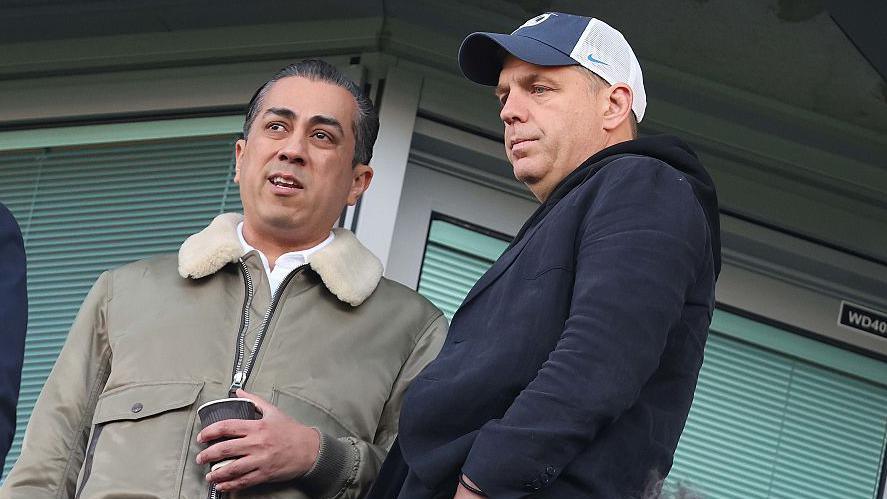
Chelsea Football Club’s decision to dismiss Liam Rosenior after just 106 days in charge underscores a troubling pattern of instability under the ownership of BlueCo. The American consortium, led by Todd Boehly and Behdad Eghbali, has overseen a period of unprecedented turbulence at Stamford Bridge since acquiring the club for £4.25 billion in May 2022. Consequently, Rosenior’s exit marks the sixth managerial change in four seasons, raising urgent questions about the sustainability of Chelsea’s current strategic direction.
Rosenior, promoted internally from Strasbourg as part of BlueCo’s multi-club model, was always an ambitious appointment. At 41, the English coach represented a forward-thinking approach to recruitment. However, transitioning from a developmental role to managing one of world football’s most scrutinized clubs proved overwhelming. Furthermore, the unique pressures at Chelsea—intense media attention, demanding fan expectations, and complex internal dynamics—created an environment where even experienced managers have struggled to thrive.
Financial Strain and Sporting Decline: The Cost of Instability
The repercussions of frequent managerial turnover extend far beyond the dugout. Chelsea recently announced pre-tax losses of £262 million, the largest in Premier League history, despite generating £490.9 million in revenue. Moreover, the club has invested approximately £1.5 billion in player acquisitions since 2022, prioritizing young talent on long-term contracts. While this strategy aims to build sustainable value, the lack of coaching continuity has hindered player development and tactical cohesion.
Transitioning from Thomas Tuchel’s Champions League-winning side to the current squad fighting for European qualification illustrates the scale of decline. Under BlueCo, Chelsea have dismissed Tuchel, Graham Potter, Mauricio Pochettino, Enzo Maresca, and now Rosenior. Each departure has disrupted squad morale and tactical identity. Notably, Rosenior’s final act—a public critique of players following a 3-0 defeat at Brighton—highlighted the frustration permeating the club. That result marked five consecutive league matches without a goal, a statistical low not seen since 1912.
The Managerial Revolving Door: Why Chelsea Struggles to Retain Coaches
A Pattern of Short-Term Appointments and Public Friction
Chelsea’s recent history reveals a consistent cycle: appoint a manager, encounter friction with the hierarchy, then part ways prematurely. Enzo Maresca’s departure in January, less than six months after winning the Club World Cup, exemplifies this trend. Reports suggest Maresca grew dissatisfied with ownership interference in team selection and substitutions. Similarly, Rosenior’s experiment—intended to showcase BlueCo’s internal promotion pathway—ultimately backfired when the coach found himself unprepared for the club’s unique demands.
Former Chelsea winger Pat Nevin offered a blunt assessment: “When you change managers that amount of times, you have to ask the question—is the problem really the manager?” His commentary resonates with supporters who have protested outside Stamford Bridge, demanding accountability from the ownership group. Indeed, the disconnect between BlueCo’s analytical, data-driven approach and the emotional, tradition-rich culture of Chelsea has created persistent tension.
Interim Solutions and the Search for Stability
Calum McFarlane has returned as interim head coach until the season’s conclusion, tasked with navigating an FA Cup semi-final against Leeds United at Wembley and securing European qualification. While McFarlane provides short-term continuity, Chelsea’s statement promising “a process of self-reflection” suggests deeper structural changes may be forthcoming. However, the club’s volatile environment poses significant challenges for attracting elite managerial talent.
High-profile candidates such as Xabi Alonso, Andoni Iraola, and Cesc Fàbregas have been linked with the position. Yet each manager values autonomy, stability, and trust—qualities currently scarce at Chelsea. Alonso’s brief, challenging stint at Real Madrid demonstrates that even accomplished coaches can struggle in high-pressure environments. Similarly, Iraola thrives at Bournemouth because of supportive structures and clear communication. Consequently, Chelsea must address internal dysfunction before expecting top-tier candidates to commit long-term.
Looking Ahead: Can BlueCo Restore Credibility and Competitiveness?
Rebuilding Trust with Fans and Football Professionals
For Chelsea to regain its status among Europe’s elite, BlueCo must prioritize stability over experimentation. This includes empowering future managers with genuine authority over recruitment and tactics, rather than imposing top-down directives. Additionally, transparent communication with supporters—acknowledging missteps while outlining a coherent vision—could help rebuild the fractured relationship between ownership and fanbase.
Furthermore, financial prudence remains essential. While investment in young talent is commendable, sustainable success requires balancing expenditure with on-field results. The club’s current trajectory—high spending coupled with inconsistent performance—risks long-term damage to both competitiveness and commercial appeal.
A Defining Moment for Chelsea’s Future
As the season reaches its climax, Chelsea stands at a crossroads. The appointment of a permanent head coach this summer will signal whether BlueCo has learned from recent mistakes. Will the club embrace a collaborative, manager-centric model? Or will it continue the cycle of short-term appointments and internal conflict?
Ultimately, James Tavernier’s departure from Rangers highlighted the value of loyalty and sustained leadership. Chelsea’s situation offers a contrasting lesson: without stability, even substantial financial resources cannot guarantee success. For online readers following Premier League developments, this narrative underscores the delicate balance between ambition and execution in modern football management.
In conclusion, Liam Rosenior’s brief tenure at Chelsea reflects broader challenges facing BlueCo’s ownership project. While the consortium’s vision of innovation and data-driven decision-making holds promise, its implementation has thus far generated chaos rather than cohesion. Moving forward, the club must reconcile its analytical ambitions with the human elements that define football: trust, patience, and shared purpose. Only then can Stamford Bridge once again become a fortress of excellence rather than a monument to decline.

