
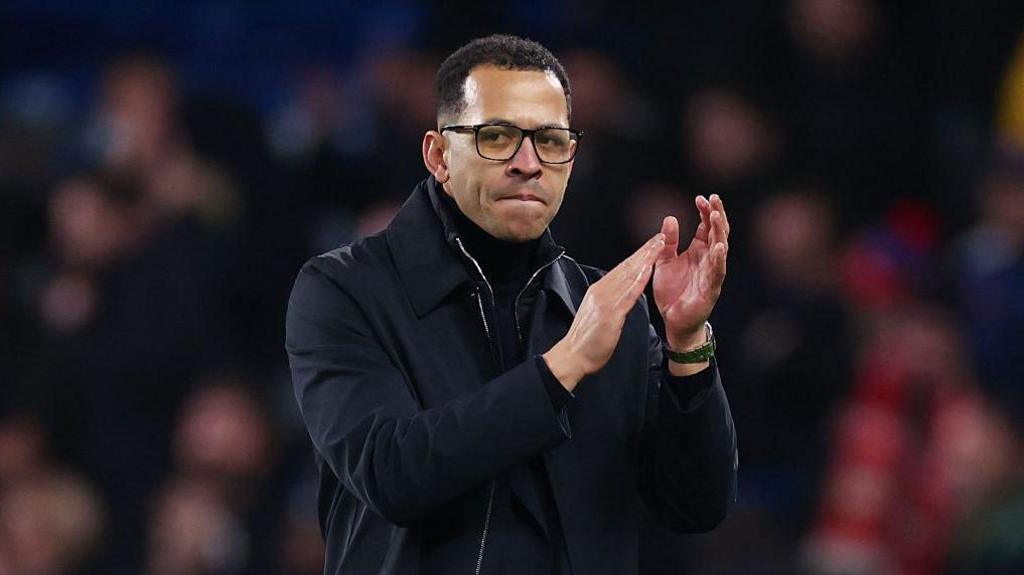
A Promising Appointment Meets Harsh Premier League Realities
Less than four months after signing a five-and-a-half-year contract at Stamford Bridge, Liam Rosenior’s tenure as Chelsea head coach has concluded abruptly. The 41-year-old replaced Enzo Maresca in January, arriving with a burgeoning reputation for developing attractive, progressive football after guiding Strasbourg to European qualification for the first time in eight years. However, ten defeats in 23 matches ultimately proved insurmountable, leading to his dismissal following a 3-0 loss at Brighton.
For online readers tracking Premier League managerial dynamics, Rosenior’s departure underscores the complex challenges of transitioning from developmental success to elite-level pressure. Consequently, his exit raises critical questions about squad alignment, tactical adaptation, and the expectations placed upon coaches within Chelsea’s unique operational structure.
The Breaking Point: Public Criticism and Eroding Authority
Rosenior’s tenure effectively ended less than 24 hours after he publicly criticized his players following the Brighton defeat. This episode, while dramatic, represented the culmination of deeper issues that had gradually undermined his position. Notably, his earlier comments about the team needing to “respect the ball”—intended to justify a controversial pre-match huddle around referee Paul Tierney during a Newcastle defeat—became a defining moment. That incident marked the beginning of a five-match goalless losing streak, Chelsea’s worst such sequence in 114 years.
Furthermore, sources indicate that dressing room dynamics grew increasingly strained as Rosenior attempted to implement his own tactical philosophy. Initially leaning on Maresca’s established blueprint during his first six weeks, the English coach later sought greater autonomy. However, limited training time and mounting pressure hindered this transition. Consequently, leadership meetings reportedly grew quieter, with participation dwindling as confidence in the head coach wavered.
Dressing Room Dynamics: Cultural Divides and Communication Breakdowns
Squad Fragmentation and the Challenge of Unified Leadership
Early signs of discontent emerged from within the squad, particularly among Spanish-speaking players. During the March international break, both Marc Cucurella and Enzo Fernández made public comments expressing openness to moves to Spain—a subtle but significant signal of unrest. Additionally, multiple sources confirmed that team news leaks surrounded both legs of Chelsea’s Champions League last-16 tie against Paris Saint-Germain, with one particularly damaging leak before the Brighton match allegedly originating from Cucurella’s barber.
Moreover, footage circulated showing players appearing to disregard Rosenior’s inexperienced backroom staff. Assistant coach James Walker was notably ignored by Wesley Fofana after a home defeat to Manchester United, with one player reportedly nicknaming him “the supply teacher.” These incidents, while seemingly minor individually, collectively eroded the cohesion and respect essential for effective team management.
Tactical Scrutiny and Strategic Missteps
Beyond interpersonal challenges, Rosenior’s tactical decisions faced intense scrutiny. Sources close to PSG suggested his approach across the two-legged tie was overly open, enabling the French champions to secure an 8-2 aggregate victory. The decision to start young center-back Mamadou Sarr at right-back in the second leg proved particularly costly, as his error contributed to an early Khvicha Kvaratskhelia goal.
Additionally, Moisés Caicedo’s role shifted from a double pivot to a single defensive midfield position, requiring him to cover significantly more ground. This adjustment, while theoretically sound, exposed defensive vulnerabilities that opponents exploited consistently. Transition words like furthermore, consequently, and notably help illustrate how these tactical choices compounded existing squad uncertainties.
The Boardroom Perspective: Short-Term Action for Long-Term Ambition
Why Chelsea Acted When They Did
The Brighton defeat served as a definitive turning point for Chelsea’s hierarchy. Until that moment, those responsible for Rosenior’s appointment had hoped he could stabilize the squad through the season’s conclusion. However, the manner of the loss—combined with the public player criticism—convinced decision-makers that a change was necessary to salvage European qualification hopes and FA Cup ambitions.
Unlike Maresca, Rosenior did not cultivate equally strong relationships within Chelsea’s leadership structure. This disconnect was reflected in his exit statement, which was 68 words shorter than his predecessor’s—a subtle but telling indicator of the differing levels of institutional support. Consequently, the board prioritized immediate competitive needs over prolonged patience, appointing Calum McFarlane as interim head coach for the season’s remainder.
Financial Constraints and the Search for a Permanent Successor
Chelsea’s pursuit of a permanent head coach unfolds against a backdrop of significant financial pressure. The club recently announced a £262.4 million pre-tax loss for the 2024-25 season—the highest in Premier League history. Furthermore, the potential absence of Champions League football next season could restrict summer transfer spending, complicating efforts to attract elite managerial talent.
Nevertheless, Chelsea remain an attractive proposition for high-profile coaches. Marco Silva of Fulham emerges as a logical candidate, given his expiring contract and representation by agent Jorge Mendes, who maintains close ties with BlueCo ownership. Additionally, names such as Edin Terzic, Cesc Fàbregas, and Andoni Iraola have been mentioned. However, sources indicate that many coaches express hesitation about working within Chelsea’s current recruitment model, which emphasizes long-term contracts for younger players alongside frequent managerial turnover.
Looking Forward: Stability, Strategy, and the Path to Recovery
Rebuilding Trust and Competitive Identity
For Chelsea to regain consistent competitiveness, the next permanent appointment must prioritize squad unity, tactical clarity, and transparent communication. Moreover, aligning recruitment strategy with the head coach’s philosophical preferences could prevent the fragmentation that characterized Rosenior’s tenure. Consequently, the club’s stated intention to target more experienced signings this summer—complementing their existing young core—represents a potentially significant strategic shift.
In summary, Liam Rosenior’s brief Chelsea chapter illustrates the delicate balance between ambition and execution in modern football management. His departure, while disappointing, offers an opportunity for reflection and recalibration. For online readers invested in Premier League narratives, this story highlights how squad dynamics, tactical decisions, and institutional support collectively determine managerial success. As Chelsea navigates this transitional period, the choices made in the coming months will shape not only the next season but the club’s broader trajectory under BlueCo ownership.

