White House Urges Reopening of Department of Homeland Security Ahead of 2026 FIFA World Cup
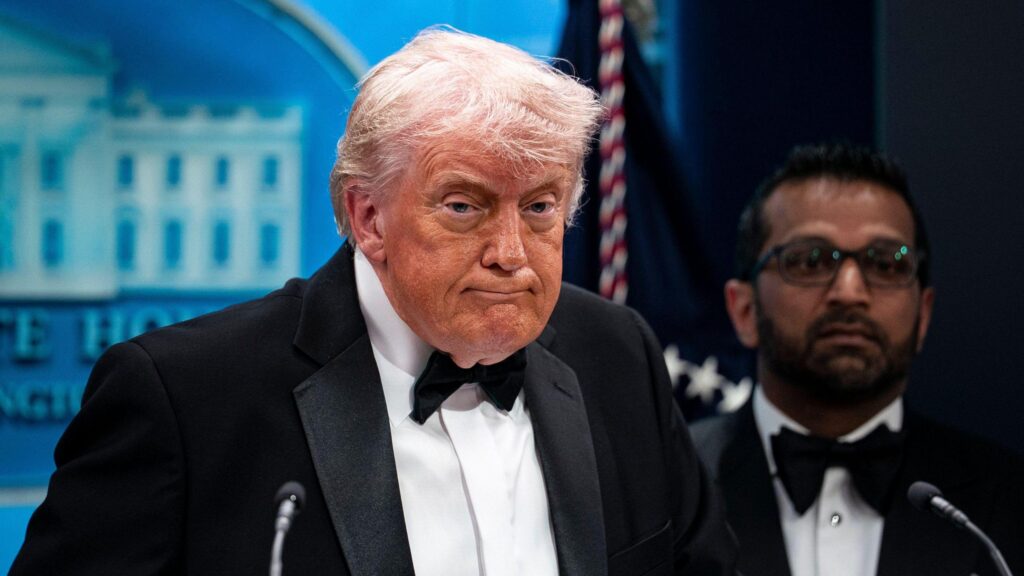
With the 2026 FIFA World Cup fast approaching, White House officials have declared the full reopening of the Department of Homeland Security (DHS) essential for national safety. The call comes after a shocking security breach at the White House Correspondents’ Association dinner in Washington DC, where a man was charged with attempting to assassinate President Donald Trump.
This partial shutdown, now stretching beyond nine weeks, has raised serious concerns about the United States’ ability to manage security for the largest sporting event in the world. As preparations intensify for the 48-team tournament co-hosted by the United States, Canada, and Mexico from June 11 to July 19, 2026, the stakes for robust federal coordination have never been higher.
Security Incident Highlights Urgent Risks
On Saturday evening, 31-year-old Cole Tomas Allen allegedly charged past a security checkpoint at the high-profile gala event. Prosecutors state he was armed with a semi-automatic handgun, a pump-action shotgun, and three knives. The swift intervention by Secret Service agents and law enforcement prevented a potential tragedy, though the incident prompted an immediate White House security review.
Allen did not enter a plea during his initial court appearance on Monday. The event has underscored the unpredictable threats facing major public gatherings in the United States. For officials planning the 2026 World Cup, the breach serves as a sobering reminder of the complex security challenges involved in hosting millions of international visitors across multiple cities.
Andrew Giuliani, executive director of the White House World Cup task force, described the incident as a clear warning. In a statement, he emphasized that while law enforcement responded effectively, the chaos highlighted the “critical need for a fully operational Department of Homeland Security.”
Why DHS Reopening Matters for the FIFA World Cup 2026
The Department of Homeland Security plays a central role in coordinating security operations for large-scale events like the World Cup. Its responsibilities include border protection, immigration enforcement, cybersecurity, transportation security through the TSA, and emergency management via FEMA. A prolonged partial shutdown disrupts coordination between federal, state, and local agencies.
White House officials stress that reopening DHS is non-negotiable as the country prepares for an unprecedented influx of fans. The 2026 tournament will feature 104 matches across 16 host cities in the three nations, with the majority in the United States. Millions of visitors are expected, creating immense logistical and security demands.
Giuliani noted that the United States cannot afford complacency. “As we prepare for the unprecedented scale of the FIFA World Cup, with millions of visitors and dozens of major events across the country, reopening DHS is essential,” he said. “We cannot afford complacency — the stakes are simply too high.”
The shutdown has already affected preparations. Officials warned earlier this month that the lack of full DHS functionality has hampered coordination and slowed progress on key security planning.
Political Dispute Behind the Shutdown
The partial shutdown stems from a funding disagreement in Congress. Democrats have opposed full funding for Immigration and Customs Enforcement (ICE), which operates under DHS, without accompanying reforms. This stance follows two deadly shootings involving federal agents in Minneapolis in January 2026.
President Trump has urged Republicans in Congress to reach an agreement on legislation by early June. Republican Congressman Mike Lawler, representing parts of New York — one of the key host areas — described the situation as “insane.” He pointed out that the department responsible for coordinating security for a major international event has been partially shut down for over 110 days, especially concerning at a time of heightened global tensions.
The impasse has left tens of thousands of DHS employees working without pay or furloughed, impacting morale and operational readiness. While President Trump has issued directives to ensure pay for certain workers, including TSA agents, using available funds, a comprehensive resolution through Congress remains necessary for full functionality.
Broader Implications for National and Event Security
Security experts and rights groups have urged caution and thorough planning for World Cup visitors. The tournament’s scale — the first with 48 teams — amplifies risks ranging from terrorism to crowd management and cyber threats. A fully operational DHS ensures seamless intelligence sharing, border screening, and rapid response capabilities.
Furthermore, the incident at the Correspondents’ dinner has triggered a wider review of protective measures for high-profile events. For the 2026 FIFA World Cup, this means enhanced vetting, robust venue security, and improved inter-agency cooperation.
Supporters of swift action argue that politics should not compromise safety during such a globally significant occasion. The event not only showcases sporting excellence but also represents a major economic and diplomatic opportunity for the host nations.
Path Forward as the Tournament Approaches
With less than two months until the opening match on June 11, 2026, pressure is mounting to resolve the funding dispute. President Trump and Republican leaders continue pushing for a deal that addresses both security needs and immigration enforcement concerns.
White House task force members remain optimistic that the necessary steps will be taken to guarantee a safe and successful tournament. However, they stress that time is critical. Every week of continued uncertainty risks further delays in vital preparations.
For fans, players, and host cities eagerly anticipating the 2026 World Cup, the message from Washington is clear: national security infrastructure must be fully functional to meet the challenges of this historic event. Reopening the Department of Homeland Security is not just a bureaucratic priority — it is a fundamental requirement for protecting lives, ensuring smooth operations, and delivering a memorable global celebration of football.
As discussions continue in Congress, the eyes of the sporting world remain fixed on whether the United States can resolve its internal challenges in time to host the world’s biggest tournament safely and successfully.
Follow for real-time match analysis!
Discover more from DeeplyticAI
Subscribe to get the latest posts sent to your email.