Tyler Dibling at Everton: Why the £40m Signing Has Struggled in His First Season
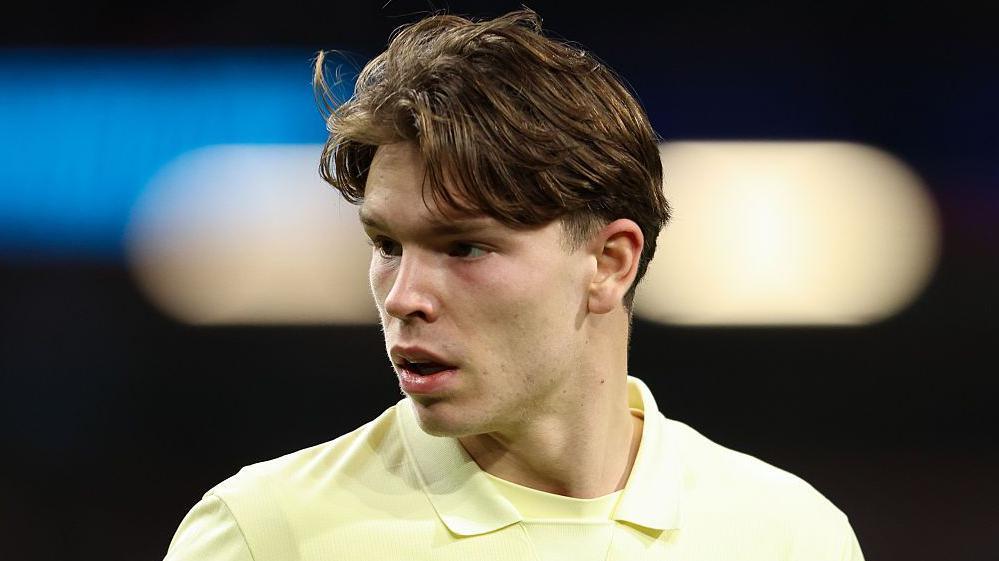
Tyler Dibling’s £40 million move from Southampton to Everton in the summer of 2025 was one of the most talked-about transfers of the window. The 20-year-old attacking midfielder arrived with a glowing reputation as a generational talent. Yet his debut campaign at Goodison Park has been challenging, with limited first-team opportunities raising questions about his immediate role under manager David Moyes.
Despite the slow start, those close to the club remain confident in Dibling’s long-term potential at Everton.
A High-Profile Arrival and Early Expectations
Dibling emerged as one of the standout performers for Southampton during their difficult 2024-25 Premier League season. His dazzling dribbling ability, creativity, and composure on the ball drew comparisons to Jack Grealish and attracted interest from several top clubs, including Tottenham Hotspur and RB Leipzig.
When Everton secured his signature for £40 million, it represented a significant investment and a statement of intent under the club’s American owners, the Friedkin Group. Dibling was expected to become a key part of Moyes’ squad in his second spell at the club, particularly as they transitioned toward their new Hill Dickinson Stadium.
Former Southampton manager Russell Martin described Dibling as “the most talented player I’ve ever worked with,” highlighting the high expectations that followed the youngster north.
A Difficult First Season at Everton
The 2025-26 campaign has been transitional for Dibling. He has started only four Premier League matches and six games in total across all competitions, accumulating just 513 minutes of senior action.
Despite Jack Grealish suffering a season-ending foot injury, Dibling was overlooked in favour of other options. Dwight McNeil has been preferred in wide attacking roles, even after a proposed move to Crystal Palace fell through late in the window. Competition has further intensified with the loan arrival of Tyrique George from Chelsea.
Manager David Moyes has been measured but direct about Dibling’s progress. Ahead of a recent match against Manchester City, Moyes stated that the youngster “will have to do better” in training and overall contribution. He emphasised the need for Dibling to step up his work rate and consistency.
This measured approach reflects Moyes’ experience developing young players. He prefers gradual integration over an immediate “sink or swim” policy, focusing on tactical discipline and defensive responsibilities alongside attacking flair.
England Recognition and Personal Adjustment
Despite limited club minutes, Dibling continues to impress on the international stage. England Under-21 coach Lee Carsley rates him highly and has made him a regular in the squad. Dibling has started three U21 matches and featured in six during the 2025-26 campaign, contributing 261 minutes as the team aims to defend their European Championship title.
Those within the Football Association praise not only his technical ability but also his professional attitude and willingness to learn.
Dibling’s introverted personality has played a role in his adaptation. Moving away from his home in Southampton to a new city and club environment represents a significant life change for any 20-year-old. Former Everton midfielder Leon Osman, who played under Moyes, understands this challenge.
Osman told BBC Sport that the season has been “an education” for Dibling. He highlighted the weight of the £40m price tag, the different tactical demands at Everton, and the cultural shift involved in relocating. Osman expects Dibling to return stronger after a full pre-season, having absorbed what is required at a Premier League club.
Everton’s Long-Term Strategy and Dibling’s Future
Dibling’s signing forms part of Everton’s broader recruitment philosophy under the Friedkin Group. The club has invested in both established Premier League players and high-potential young talents with sell-on value, such as Dibling, Merlin Röhl, and Adam Anzou.
There is no indication that Everton have lost faith in the youngster. The club views this season as a development year, and the upcoming pre-season is seen as critical. Moyes and his staff want Dibling to demonstrate improved consistency and tactical awareness to earn regular first-team minutes next season.
Osman remains optimistic about Dibling’s future at Everton. “I would be absolutely amazed if Dibling wasn’t at Everton next season and expected to progress and be part of the team,” he said. “He’s got incredible potential.”
Why Patience Could Pay Off for Everton and Dibling
Young players joining big clubs for significant fees often face intense scrutiny. The combination of a hefty transfer fee, high expectations, and adaptation to a new tactical system and environment creates a challenging first year. Everton’s patient approach with Dibling reflects modern best practices in player development rather than short-term pressure.
As the 2025-26 season draws to a close, attention turns to how Dibling performs in pre-season. If he can build on his England U21 form and show greater consistency in training, he could emerge as a key player in Everton’s squad for 2026-27 and beyond.
For Everton fans, Dibling represents both an exciting talent and a long-term investment. While his first season has not delivered the immediate impact many hoped for, the foundations for future success appear to be in place. With the right support and continued development, Tyler Dibling still has every chance of fulfilling the considerable potential that made him one of the most sought-after young players in English football.
Follow for real-time match analysis!
Discover more from DeeplyticAI
Subscribe to get the latest posts sent to your email.