Tottenham’s Stunning New Era Under Frank’s Transformative Leadership
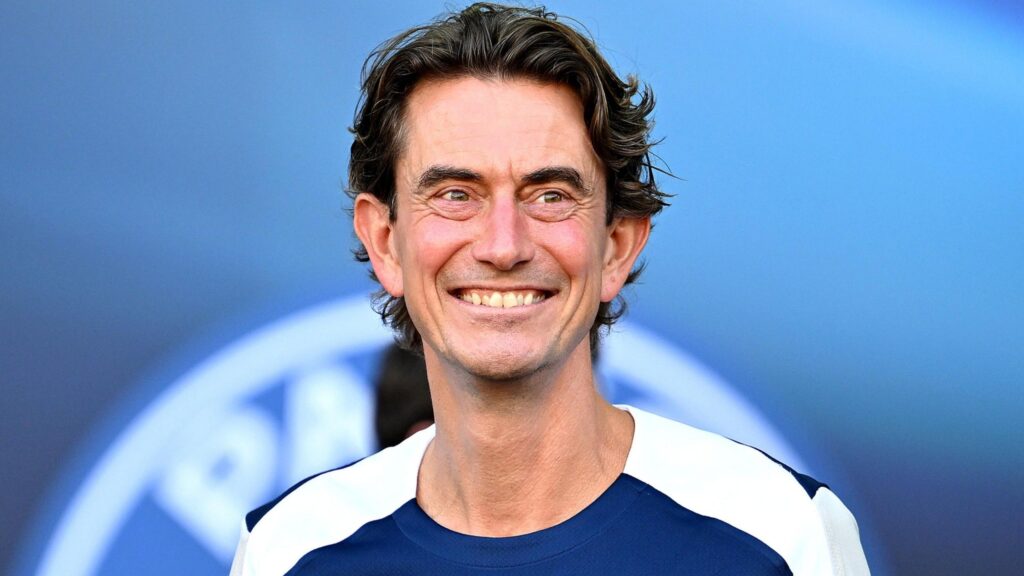
Glass Half-Full & Enthralled by Details: Tottenham’s New Era Under Frank
Tottenham Hotspur fans know all about patience. After a 17-year trophy drought, their Europa League triumph last season felt like a long-awaited breakthrough. Now, as new manager Thomas Frank takes charge, there’s a growing sense that this could be just the beginning. Wednesday night’s clash with Champions League winners Paris Saint-Germain offers Frank the chance to secure his first silverware in North London—a milestone that would instantly galvanize players, staff, and supporters alike.
While beating PSG won’t define Tottenham’s season, victory would send a powerful message. And Frank, with his meticulous approach and inclusive leadership style, seems determined to make an impact from the outset.
A New Culture at Tottenham: Inclusivity and Transparency
Frank’s arrival has already sparked a shift in atmosphere. Just days after his appointment, he called a first-team meeting at the club’s Enfield training ground—a fairly standard practice for a new manager. But what happened next showed his distinctive approach.
Rather than addressing only players and coaches, Frank invited everyone—kit staff, groundskeepers, catering teams, and administrative personnel. The message was clear: in his Tottenham, no role is insignificant. This small yet symbolic gesture echoes his reputation from Brentford, where he built a culture rooted in unity and mutual respect.
One insider describes Frank as a glass half-full manager—optimistic, emotionally present, and deeply engaged with his squad. Unlike some coaches who distance themselves from players, Frank is hands-on, fostering an environment where openness is encouraged. When Yves Bissouma was left out of the squad against PSG for repeated tardiness, it underscored Frank’s no-nonsense philosophy: accountability comes first.
The Tactical Vision: Flexibility and Attention to Detail
Tactically, Frank distinguishes himself with an obsession for the finer points of the game. Where his predecessor, Ange Postecoglou, often observed training from the sidelines, Frank is an active participant, often leading drills himself. Even in pre-season friendlies, his tactical clipboard is never far away—proof of his dedication to refining every aspect of Tottenham’s play.
His system remains a work in progress, but early signs suggest a focus on fluidity. Fans shouldn’t be surprised if Tottenham switches formations mid-game, moving between a back three and a back four as needed. Summer signing Mohammed Kudus has emerged as a key figure, with Frank keen to maximize the Ghanaian’s influence in attack.
Yet Frank’s preparations have been far from seamless. Injuries to key players—Dominic Solanke, Destiny Udogie, Dejan Kulusevski, and James Maddison—have disrupted pre-season, while Heung-min Son’s departure to Los Angeles FC leaves a leadership void. How Frank adjusts will be a crucial early test.
Transfer Strategy: Ambition and Challenges
Frank isn’t just shaping Tottenham on the pitch; he’s playing a pivotal role in recruitment. The signings of Kudus and João Palhinha (on loan from Bayern Munich) reflect his influence, with both players fitting his high-energy, tactically versatile mold. The pursuit of Manchester City’s Savinho and Crystal Palace’s Eberechi Eze also bears his stamp.
However, the window hasn’t been without setbacks. The failed move for Morgan Gibbs-White—derailed by contractual complications—was a blow, and Marc Guehi’s preference for Liverpool over Tottenham adds another layer of frustration. Some supporters, hungry for deeper squad investment, have even voiced discontent, fearing a missed opportunity to build on last season’s success.
Frank, though, remains optimistic. “We are definitely in the market and will do everything to strengthen the squad,” he assured. With funds reportedly available from ENIC, the coming weeks could still see key additions—offering hope that Tottenham’s ambitions align with his vision.
The Road Ahead for Tottenham Under Frank
Frank’s early days at Tottenham have set the tone for what could be a transformative era. His inclusive leadership and tactical acumen have already started reshaping the club’s culture, while his involvement in transfers signals a manager keen to build in his image.
The real test lies ahead, of course. Can he translate pre-season promise into Premier League consistency? Will the squad depth prove sufficient for a sustained push in multiple competitions? And most importantly, can he turn Tottenham’s recent success into something more than just a fleeting triumph?
For a club that once waited 17 years for silverware, the next few months could define whether the glass remains half-full—or finally overflows.
Discover more from DeeplyticAI
Subscribe to get the latest posts sent to your email.