Anthony Joshua’s Chaotic Comeback: What Does It Mean for the Long-Awaited Tyson Fury Fight?
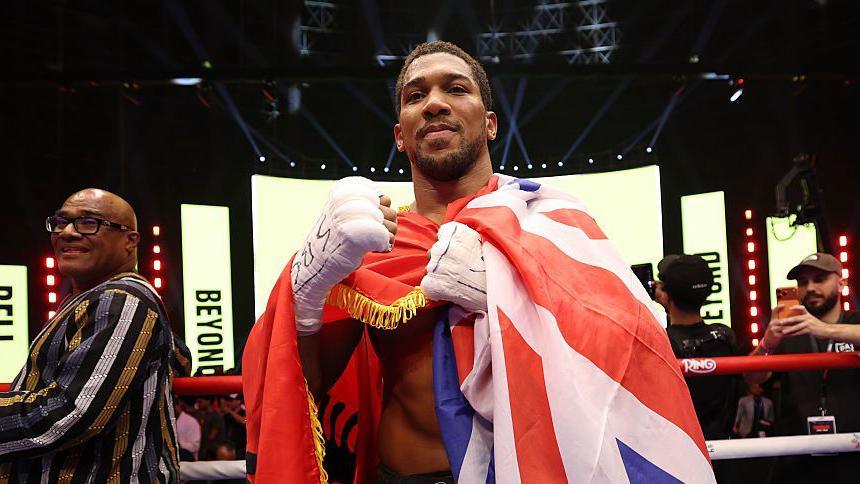
After just 20 seconds, the biggest fight in British boxing history appeared to have evaporated in Jeddah’s desert heat. Anthony Joshua lay flat on his back, and the long-awaited showdown with Tyson Fury hung precariously in the balance. Yet one more knockdown, one astonishing comeback, and a devastating second-round knockout later, the blockbuster bout was revived. However, after one of the wildest nights of Joshua’s career against Kristian Prenga, the prospective Fury fight suddenly feels like a fundamentally different contest.
A Night of Chaos in Jeddah
The Dramatic First Round
The emotion surrounding Joshua’s comeback victory over Albanian fighter Kristian Prenga cannot be overstated. Given everything the former heavyweight champion has endured since the tragic car crash in Nigeria that claimed the lives of his close friends Sina Ghami and Latif ‘Latz’ Ayodele, simply stepping back into the ring represented a profound personal achievement.
Nevertheless, sentiment aside, the opening round raised serious competitive concerns. Prenga, who arrived with an impressive record of 20 knockouts from 20 victories and one defeat, dropped Joshua twice in the opening frame. Had the Albanian pressed home his advantage against a clearly hurt opponent, the narrative could have taken a drastically different turn.
“That was chaos. Absolute chaos. Just madness,” former cruiserweight world champion Tony Bellew said on DAZN’s broadcast. BBC 5 Live boxing pundit Steve Bunce offered a more measured assessment: “We need to look at that first round and look at how easily AJ was hurt. We can’t just skip past that. We saw a man in a very bad place come through an even worse situation and emerge victorious. That will be the story. However, once we step back, we need to keep looking at that first round and start asking: how much further do we want to push him?”
The Emotional Weight Behind the Victory
In the aftermath, Joshua struggled to complete his post-fight interview. His voice cracked as he spoke about his two friends and the devastating impact their loss has had on him. Promoter Eddie Hearn provided context for the emotional burden Joshua carried into the ring.
“Boxing once saved him and he needed boxing to get through this,” Hearn explained. “That camp allowed him to focus his mind while he was in so much grief and pain. You don’t know what he was going through in that camp because he doesn’t talk about it.”
Fury Steals the Headline—Again
The Wach Fight and Psychological Games
This was supposed to be Joshua’s comeback week. Instead, Tyson Fury reminded everyone that he remains the undisputed master of stealing a headline. Originally expected to fight on 1 August in Dublin, Fury moved quickly to schedule his own bout against 46-year-old Mariusz Wach for the evening before Joshua’s fight night.
The typical Fury theatre accompanied fight week. He insisted he would not be in Jeddah, before hinting at the opposite. An Instagram post tagged with the location “Who Knows” only intensified speculation. Ultimately, Fury stayed away—and perhaps that proved a blessing for Joshua. Had Fury been sitting ringside watching his rival get dropped twice in the opening round, would Joshua have found the same reserves of determination to mount his comeback? The psychological dimension of knowing Fury was watching could have altered the entire moment.
Assessing Fury’s Current Form
Fury’s seventh-round victory over Wach was heavily criticised by some observers, but it was effectively a public sparring session designed to keep him active and his name in the conversation. There was little jeopardy involved, and Fury appeared to enjoy himself, even sharing a playful moment by kissing his opponent on the head.
Perhaps more instructive was his performance against Arslanbek Makhmudov in April, where Fury—while still showing signs of decline—looked comfortable and controlled. Fury’s greatest weapon has always been his ability to expose hesitation, vulnerability, and mistakes. Against Prenga, Joshua displayed all three in abundance.
Is Fury Now the Clear Favourite?
Legacy, Risk, and the Fight That Defines a Generation
Whatever happens next, Joshua’s place in British boxing history is already secure. He is an Olympic gold medallist, a two-time heavyweight champion, and one of the biggest sporting stars the country has ever produced. He has filled stadiums, headlined global events, and become a household name far beyond the sport.
However, in the build-up to his comeback, Joshua and stablemate Oleksandr Usyk spoke about the ambition of becoming undisputed heavyweight champion. After Saturday night in Saudi Arabia, the reality is that even reclaiming a single world title would represent a formidable challenge.
The danger with ageing fighters is always chasing one more night. Boxing history is littered with champions who stayed one fight too long. Yet Fury versus Joshua is not merely one more fight. It is the fight—the one that has loomed over both their careers for the best part of a decade. Whether Joshua’s chaotic night in Jeddah has made that dream more or less attainable remains the defining question of British boxing’s immediate future.
Follow for real-time match analysis!🚀
Discover more from DeeplyticAI
Subscribe to get the latest posts sent to your email.