A Coup for Bezos and a Windfall for FSG – Where Does the Deal Leave Liverpool?
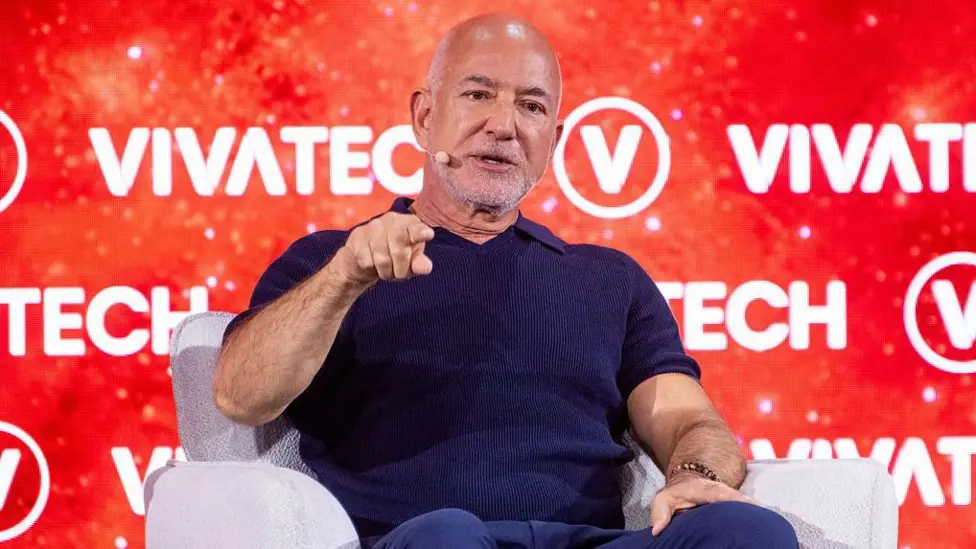
A consortium that includes Amazon founder Jeff Bezos is advancing talks to acquire a significant minority stake in Liverpool Football Club from owners Fenway Sports Group. The proposed transaction, led by businessman Amit Bhatia and also involving Facebook co-founder Eduardo Saverin, would value the Premier League club at approximately £4.5 billion and deliver a substantial return for FSG after 16 years of ownership.
The Scale of the Proposed Investment
Reports indicate the group is targeting around a 30 percent stake for a sum in the region of £1.35 billion. Bezos, whose personal fortune is estimated in the region of $257 billion according to Forbes, would be making his first foray into football ownership through the deal. Saverin brings additional high-net-worth backing, while Bhatia, the son-in-law of steel magnate Lakshmi Mittal and a former co-owner of Queens Park Rangers, is fronting the consortium.
FSG purchased Liverpool in 2010 for £300 million at a time when the club faced serious financial difficulties. Since then the American ownership group has overseen a major turnaround, including two Premier League titles and significant commercial growth. Liverpool recently reported record revenues of £703 million. Selling a minority stake at the current valuation would crystallise a large portion of the value created under FSG’s stewardship while allowing the group to retain overall control.
What the Deal Means for Fenway Sports Group
From a pure business perspective the transaction represents a strong outcome for FSG. Football finance experts have described it as a shrewd move that realises gains without relinquishing majority ownership. After an initial outlay of roughly £518 million when including subsequent intra-group support, the proposed sale would return more than twice that sum for a minority shareholding.
FSG has previously sold a small stake to Dynasty Equity and has consistently stated that it seeks strategic partners rather than an exit. The current discussions are framed as the introduction of long-term capital and expertise rather than a step toward full divestment. Nevertheless, some observers view the willingness to sell a sizeable minority as potentially opening the door to further changes in the ownership structure in the years ahead.
Implications for Liverpool Football Club
Crucially, the structure of the deal appears to involve a share sale by FSG rather than a direct capital injection into the club. In that scenario the proceeds would go to the existing owners rather than appearing as new funds on Liverpool’s balance sheet. Day-to-day transfer spending and wage budgets would therefore continue to be governed by the club’s own revenues, Profit and Sustainability Rules, and squad-cost regulations.
That said, the presence of investors of Bezos’ and Saverin’s stature could still deliver indirect benefits. Access to patient capital, potential commercial partnerships, and enhanced global networks may strengthen Liverpool’s position over time. Amazon’s existing involvement in sports broadcasting and streaming also raises the possibility of future content or sponsorship synergies, although no such arrangements form part of the current discussions.
Operational control is expected to remain with FSG. Major strategic decisions, including those relating to the football department, would continue to sit with the current ownership group. The arrival of new minority shareholders is unlikely to produce immediate changes to the team’s recruitment model or coaching setup.
Broader Context in Premier League Ownership
The Premier League has seen a steady influx of high-net-worth individuals and institutional capital in recent years. Valuations have risen sharply, narrowing the pool of potential investors to sovereign wealth funds, private equity, and ultra-high-net-worth individuals. A transaction of this scale would rank among the largest minority investments in English football history and further illustrate the global appeal of top Premier League clubs.
For Liverpool supporters the key questions centre on stability and ambition. FSG’s tenure has delivered sustained competitiveness and infrastructure improvements, yet the club continues to operate within the financial parameters of a self-sustaining model. New shareholders of significant means may eventually provide greater flexibility, but any such impact would depend on the precise terms of the agreement and the long-term intentions of all parties.
Looking Ahead
Talks are described as advanced, with completion possibly weeks rather than months away, subject to final due diligence and regulatory clearances. Both FSG and the consortium have remained measured in public comments, consistent with the sensitive nature of ownership discussions.
If completed, the deal would mark a notable moment in Liverpool’s modern history. It would reward FSG for the value created since 2010, introduce formidable new backers, and leave the club under largely unchanged day-to-day leadership. For Jeff Bezos it would represent a high-profile entry into the world of elite football. For Liverpool the immediate picture is one of continuity, with the potential for enhanced long-term resources and global reach.
Online readers following Premier League ownership, football finance or the evolving landscape of sports investment will find the developments significant. The proposed transaction underscores both the extraordinary growth in club valuations and the continuing appeal of Liverpool as a global sporting asset. The coming weeks should clarify whether the advanced talks convert into a completed deal and, if so, precisely how the new ownership structure is configured.
Follow for real-time match analysis!🚀
Discover more from DeeplyticAI
Subscribe to get the latest posts sent to your email.