The F1 Pit Stop That Helped Save Lives
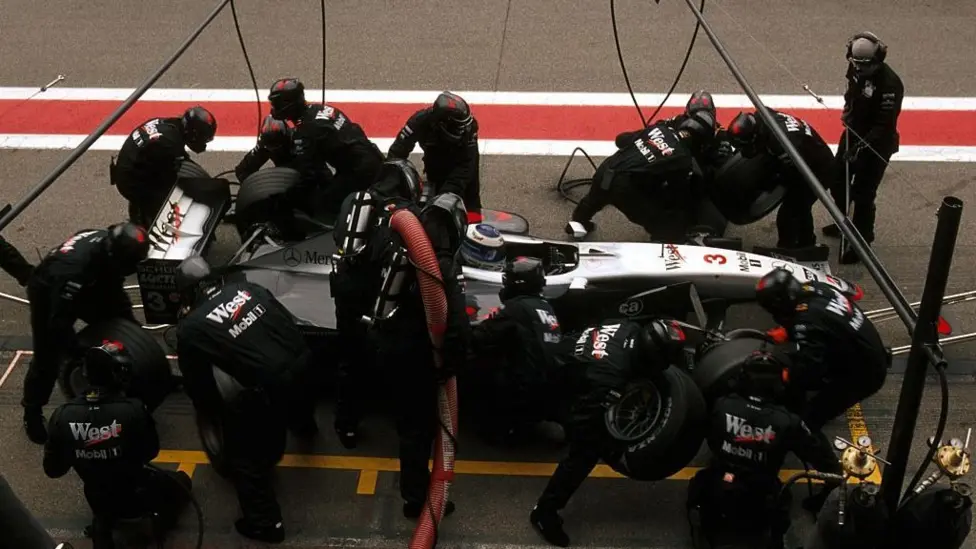
A routine seven-second pit stop by the McLaren team at the 2001 Spanish Grand Prix became the unlikely catalyst for a medical revolution that has improved care for critically ill children. What began as a brief moment of television viewing in a London hospital break room evolved into a structured system of teamwork, communication and precision that reduced errors during one of the most vulnerable moments in paediatric care.
Doctors at Great Ormond Street Hospital (GOSH) were resting after a complex operation when they caught a glimpse of the McLaren crew refuelling a car, changing its tyres and relaying information to the driver in less than seven seconds. The seamless coordination stood in stark contrast to the often chaotic process of transferring fragile young patients from the operating theatre to the intensive care unit. That single observation sparked a collaboration between Formula 1 expertise and medical practice that continues to influence hospitals around the world.
From Trackside Precision to Operating Theatre
In the late 1990s and early 2000s, the handover of critically ill infants—particularly those recovering from cardiac surgery—posed significant risks. Multiple staff members worked simultaneously around complex life-support equipment, lines and monitors. Communication could break down, roles overlapped, and vital information was sometimes omitted. These gaps contributed to technical errors and delays that placed already vulnerable patients under additional stress.
Inspired by the F1 pit stop, surgeons and intensive care specialists, including Professor Martin Elliott, began examining how racing teams achieved such reliability under extreme time pressure. They studied defined roles, choreographed movements, clear leadership signals and the use of checklists. In some accounts, medical teams later visited Ferrari’s headquarters in Maranello to observe pit crew operations in person, while F1 personnel in turn analysed hospital handover videos and offered practical feedback.
The resulting protocol treated the patient transfer like a carefully rehearsed pit stop. Each team member received a specific responsibility and a fixed position. Checklists ensured no critical step was missed. Patient data was shared systematically between the theatre and intensive care teams. Staff rehearsed the sequence repeatedly, identifying and eliminating inefficiencies. Leadership during the transfer was clearly assigned, often to the anaesthetist, before formal handover to the receiving intensive care doctor.
Measurable Improvements in Patient Safety
A 2007 study conducted by researchers at Great Ormond Street Hospital and the University of Oxford confirmed the impact of the new approach. The F1-inspired process reduced technical errors, cut the number of information omissions and shortened the average handover time. Other evaluations reported a substantial drop in critical errors—figures of around two-thirds have been widely cited in subsequent coverage. Transfers became more organised, calmer and safer for the children involved.
The benefits extended beyond a single hospital. Similar principles were later adopted elsewhere. In 2016 the Williams Formula 1 team worked with the University Hospital of Wales in Cardiff to refine neonatal resuscitation procedures. Staff introduced standardised layouts for equipment trolleys, colour-coding systems and clearer non-verbal communication signals—mirroring the disciplined choreography of a pit crew operating in a confined, high-stakes environment.
More recently, the same mindset has influenced emergency response outside the hospital. Collaboration between Formula 1 methods and Air Ambulance Cornwall demonstrated how structured preparation and rapid, organised starts could reduce helicopter take-off times from five minutes to three and a half minutes, potentially improving outcomes in time-critical cases.
Why the Parallel Works
Both an F1 pit stop and a critical care handover demand absolute clarity under pressure. Time is limited, space is restricted, and the consequences of error are severe. Formula 1 crews practise thousands of stops each year so that every movement becomes automatic. Medical teams applying the same philosophy—defined roles, rehearsed sequences, continuous performance review—create systems that are more resilient when stress levels rise.
The story also illustrates the value of looking beyond traditional boundaries for solutions. A sport obsessed with shaving tenths of a second off lap times unexpectedly provided tools that helped protect some of the most vulnerable patients in medicine. The original seven-second McLaren stop in Spain was never intended to influence healthcare. Yet its influence has endured for a quarter of a century and continues to shape protocols that prioritise precision, teamwork and the reduction of human error.
As Formula 1 teams keep refining their pit stop techniques to ever greater levels of speed and reliability, the medical community still draws practical lessons from that same culture of meticulous preparation. What began with a chance viewing of a race has become a lasting example of how excellence in one field can translate into life-saving improvements in another.
Follow for real-time match analysis!🚀
Discover more from DeeplyticAI
Subscribe to get the latest posts sent to your email.