Does the Premier League Big Six Still Exist in 2026? Power, Prestige and a Shifting Landscape
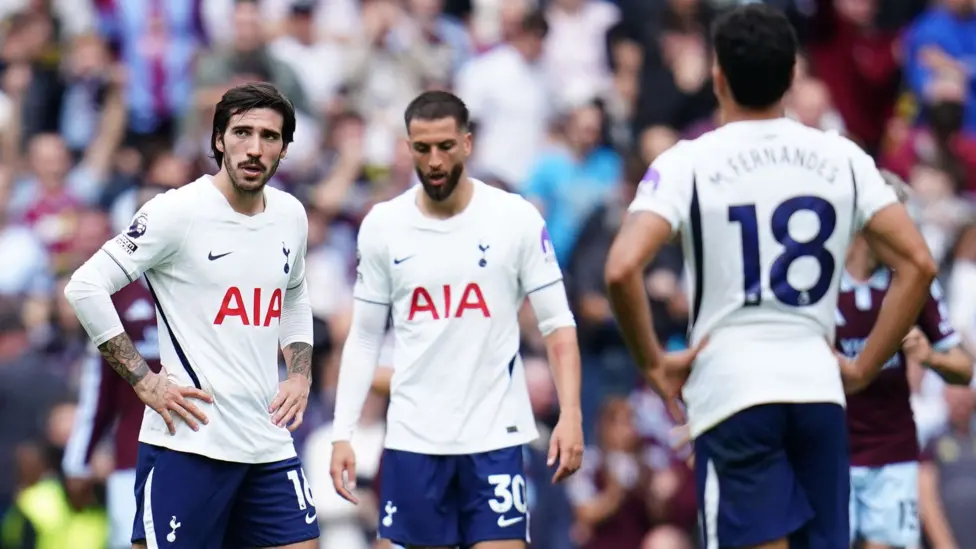
The phrase “Premier League Big Six” once felt almost permanent. Arsenal, Chelsea, Liverpool, Manchester City, Manchester United and Tottenham Hotspur occupied the top of English football’s hierarchy for more than a decade. They claimed the bulk of Champions League places, dominated transfer spending and shaped the commercial conversation. Yet in the early months of the 2026-27 season, the old certainty looks increasingly fragile. Manchester City sit top of the table with a perfect record. Arsenal, the defending champions, chase them closely. Meanwhile Tottenham languish near the bottom and Manchester United hover in the lower half. So does the Premier League Big Six still exist?
The Origins of an Elite Group
The Big Six label grew out of the old Big Four of the 2000s. Manchester City’s rise under Abu Dhabi ownership and Tottenham’s consistent top-four challenges expanded the group around 2010. For years the six clubs finished in the top six more often than not. They shared the vast majority of European qualification spots and generated revenues far beyond their rivals. Titles stayed almost exclusively inside the circle. Only Blackburn Rovers in 1994-95 and Leicester City in 2015-16 interrupted the pattern.
That dominance rested on money, history and global reach. Broadcast deals and commercial partnerships funneled huge sums to the same handful of clubs. Supporters worldwide followed the same six badges. The label stuck because the results, the accounts and the headlines aligned.
On-Pitch Reality in 2026: A Fractured Hierarchy
Look at the current 2026-27 Premier League table after six matches and the picture changes. Manchester City lead with 18 points and an unblemished record under new head coach Enzo Maresca. Arsenal sit second on 15 points. Then the traditional order collapses. Brighton occupy third. Brentford, Everton and Chelsea share the next tier. Liverpool sit further back. Manchester United have collected just six points. Tottenham sit 19th with three.
The previous season already hinted at the shift. Arsenal ended a 22-year title drought in 2025-26. Manchester City finished second. Manchester United claimed third. Aston Villa took fourth and Liverpool fifth. Tottenham finished 17th, only narrowly avoiding relegation for a second successive campaign. Clubs outside the traditional six—Brighton, Newcastle, Villa, Bournemouth—have repeatedly finished above some of the old elite.
Tactical analyses of the early 2026-27 games underline the point. City’s expansive approach has delivered results despite the departures of key midfielders. Arsenal remain defensively solid. Yet Spurs and United continue to struggle for consistency. The collective moniker now reflects support and commercial size more than weekly league standing.
Off the Pitch: Money and Influence Remain Concentrated
Financial power tells a different story. The average turnover of the six clubs still dwarfs the rest of the league. In recent seasons the gap has widened rather than narrowed. The Big Six continue to sign the best talent from mid-table sides at record rates. Their global brands attract commercial partners that smaller clubs cannot match. Even when results disappoint, the revenue streams hold firm.
In September 2026 the same six clubs opposed a Premier League proposal to sell more commercial rights collectively. They preferred to keep individual control over perimeter advertising and other assets. That dispute revealed how the group still acts as a distinct bloc when money is at stake. Their shared interest in protecting commercial independence shows the label retains practical meaning beyond the pitch.
Rising Challengers and the Case for a Bigger Elite
Newcastle United and Aston Villa have pushed into Champions League places in recent seasons. Brighton’s progressive model has produced consistent European qualification. Brentford and others have closed the gap on the field through smart recruitment and coaching. Some observers now speak of a Big Eight. Others argue the entire concept has outlived its usefulness.
Yet no challenger has sustained successive Champions League campaigns in the way the traditional six once did. The financial distance remains large. A mid-table club that sells its star player to one of the Big Six simply reinforces the existing structure. The talent drain continues in one direction.
Why the Label Still Matters—and Why It Feels Outdated
The Premier League Big Six still exist as a commercial and cultural force. Their stadiums, fanbases and brand values set them apart. Media coverage and transfer speculation continue to revolve around the same names. When the clubs negotiate with the league or debate governance, they often move together.
At the same time the on-pitch hierarchy has loosened. Consistent underperformance by Tottenham and periodic struggles at United and Chelsea have opened the door. The competitive balance that once felt locked has become more fluid. Title races and European places now feature a wider cast of clubs.
Looking Ahead: Evolution Rather Than Extinction
The Big Six will not vanish overnight. Their financial advantages and institutional knowledge remain formidable. Manchester City’s seamless transition under Maresca and Arsenal’s title defence demonstrate that the strongest members still set the standard. Yet the era of near-automatic top-six finishes for all six has ended. The group has become more stratified. Two or three clubs pull clear. Others fight simply to stay relevant.
For fans the debate itself signals a healthier league. Greater unpredictability raises interest. Mid-table sides can dream of Europe without sounding delusional. The old label survives as a shorthand for size and history, but it no longer maps neatly onto weekly results. The Premier League Big Six still exist—yet the power they once monopolised is now contested, diluted and open to challenge in ways that would have seemed unlikely a decade ago.
Follow for real-time match analysis!🚀
Discover more from DeeplyticAI
Subscribe to get the latest posts sent to your email.