WTA Chair Apologises to Pegula for Airing of ‘Diva’ Comment
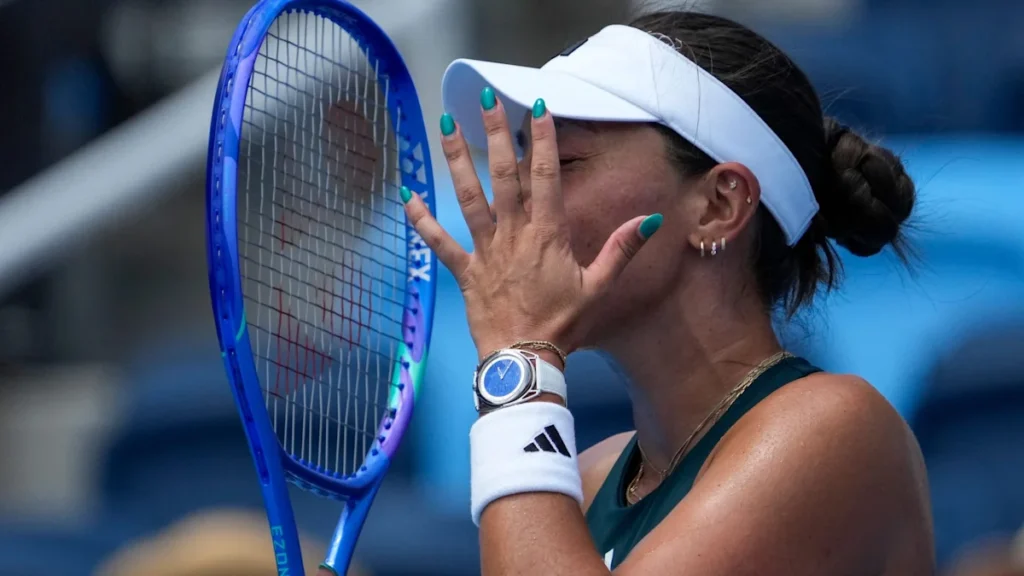
WTA chair Valerie Camillo has issued a direct apology to Jessica Pegula after private remarks the American made about Mirra Andreeva were broadcast on a livestream. The incident, which occurred during practice ahead of the WTA Finals, has sparked renewed discussion about player privacy on the tour.
How the Hot Mic Incident Unfolded
The controversy began during a practice session at Indian Wells, the venue hosting the season-ending WTA Finals for the first time. Pegula, the world number five and a member of the WTA Players’ Council, was speaking with her coach Mark Knowles. Microphones placed on the court to capture ambient sound for a YouTube livestream instead picked up their conversation.
In the exchange, Pegula referred to the 19-year-old French Open champion Andreeva as a “diva” and said she “needs to be humbled.” She also expressed disappointment with Andreeva’s coach, Conchita Martinez, suggesting the former Wimbledon champion encourages certain behaviour. At the same time, Pegula praised the Russian teenager’s talent, describing her as wonderful and smart, and noted that with a different mentality Andreeva could surpass even Coco Gauff.
Players and coaches had not been informed that the microphones were live. The WTA later acknowledged a clear failure in communication, signage and technical monitoring. Clips of the conversation spread rapidly on social media before the organisation removed the practice footage.
The WTA’s Response and Apology
Camillo addressed the matter publicly and took full responsibility on behalf of the organisation. She described the live-streaming of the private comments as “regrettable and unacceptable.” In a pointed statement she specifically apologised to Pegula and Knowles, emphasising that Pegula is one of the WTA’s strongest advocates and biggest stars who does not deserve the resulting distraction.
All audio recording equipment on the practice courts has since been deactivated. Livestreams of practice sessions will continue for fans, but without sound. Camillo cited a lack of advanced notice and clear signage as contributing factors to the breakdown in procedure.
Pegula herself characterised the episode as unfortunate. She stressed that she had no idea the conversation was being recorded or broadcast and has since contacted those involved directly. As a Players’ Council member she also highlighted ongoing concerns about increased surveillance and reduced privacy at tournaments, expressing hope that the incident strengthens calls for better protections.
Broader Implications for Player Privacy
The episode arrives at a moment when top players have grown increasingly vocal about the balance between fan access and personal space. Practice courts, once relatively private environments, now frequently feature cameras and microphones intended to enhance the spectator experience. When those tools capture candid conversations, the line between engagement and intrusion becomes blurred.
Andreeva, already one of the brightest young stars in the women’s game, finds herself at the centre of unwanted attention through no action of her own. Pegula’s comments, while critical of demeanour, also acknowledged the teenager’s ability. The public nature of the exchange, however, has created an awkward backdrop just days before the Finals begin.
For the WTA the priority is clear: restore trust and prevent a recurrence. Removing audio from practice streams is a practical first step. Longer-term solutions may involve clearer protocols, better communication with players and coaches, and a re-examination of how much off-court content is appropriate to share in real time.
Looking Ahead to the WTA Finals
The season-ending championship runs from 8 to 15 November at Indian Wells. Both Pegula and Andreeva are expected to feature prominently. The focus will ideally shift back to the tennis itself, yet the lingering conversation about privacy is unlikely to disappear entirely.
Camillo’s apology underscores the organisation’s recognition that players deserve greater control over their private moments. Pegula’s measured response, combined with her role on the Players’ Council, positions her as a key voice in any future discussions. The incident serves as a reminder that technology designed to bring fans closer can, without proper safeguards, create complications the sport would prefer to avoid.
In the end, the WTA chair’s apology to Pegula for the airing of the ‘diva’ comment marks an important acknowledgment of responsibility. How the tour implements lasting changes will determine whether this becomes a one-off embarrassment or a catalyst for meaningful improvement in player privacy standards.
Follow for real-time match analysis!🚀
Discover more from DeeplyticAI
Subscribe to get the latest posts sent to your email.