
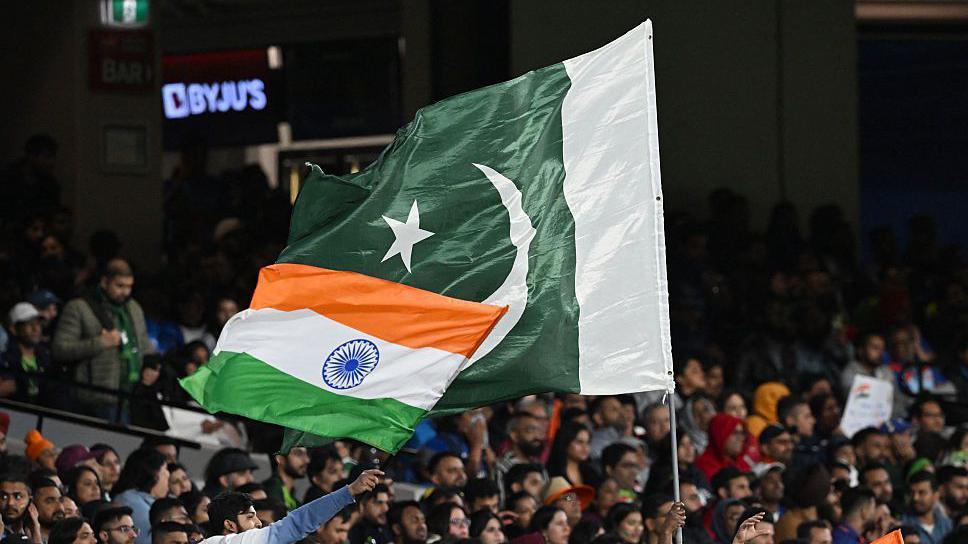
The ICC Men’s T20 World Cup 2026, co-hosted by India and Sri Lanka from February to March, faced early turmoil over geopolitical tensions. Bangladesh’s withdrawal and Pakistan’s initial boycott threat of their February 15 match against India in Colombo risked significant disruption. Yet swift diplomacy resolved the issue, with Bangladesh requesting Pakistan proceed “for the benefit of the entire cricket ecosystem.” This outcome preserves one of cricket’s marquee rivalries while addressing broader concerns for the sport’s unity and financial health.
The Request and Reversal
Bangladesh Cricket Board (BCB) president Ameenul Islam issued a statement following Lahore discussions involving ICC, Pakistan Cricket Board (PCB), and BCB officials. Expressing gratitude for Pakistan’s solidarity, Islam urged participation to protect cricket’s global interests.
Pakistan’s government had advised boycott in support after the ICC rejected Bangladesh’s plea to relocate matches from India due to security worries. Prime Minister Shehbaz Sharif framed it as backing Bangladesh. However, constructive engagement led to reversal, confirming the fixture at R. Premadasa Stadium.
Islam noted: “We are deeply moved by Pakistan’s efforts… Long may our brotherhood flourish.” The decision avoids point forfeits and potential disputes over ICC rights deals.
Bangladesh’s Position and ICC Assurance
Bangladesh withdrew after their relocation request was denied, prioritizing player safety amid regional sensitivities. The ICC responded positively: no sanctions imposed, and commitment to Bangladesh hosting an ICC event between 2028 and 2031—potentially a women’s or Under-19 tournament, as men’s schedules are set.
This compromise reflects ICC’s emphasis on dialogue: “All stakeholders acknowledge… protecting the integrity of the game and unity within the cricket fraternity.”
Significance of the India-Pakistan Fixture
The match represents cricket’s biggest draw, generating substantial revenue through viewership and broadcasting. Forfeiture could impact current deals expiring post-2027 World Cup and future agreements, affecting distributions to associate nations.
| Aspect | Impact of Playing Match | Risk if Boycotted |
|---|---|---|
| Financial | Preserves high revenue from rights | Potential disputes, reduced funds |
| Tournament Integrity | Maintains full group-stage schedule | Forfeits, altered standings |
| Global Appeal | Iconic rivalry boosts viewership | Diminished interest, precedent risk |
| Smaller Nations | Sustains ICC funding distributions | Cuts hitting development hardest |
Broader Context in T20 World Cup 2026
Co-hosted across India and Sri Lanka, the tournament features 20 teams in a expanded format. Pakistan’s group includes India, with the February 15 clash a highlight.
Resolution highlights cricket’s ability to navigate politics through cooperation. BCB’s request and ICC’s concessions prioritize sport over division.
As the World Cup progresses, this episode reinforces unity’s value. Fans anticipate a thrilling contest, free from off-field shadows, celebrating cricket’s enduring passion.

