
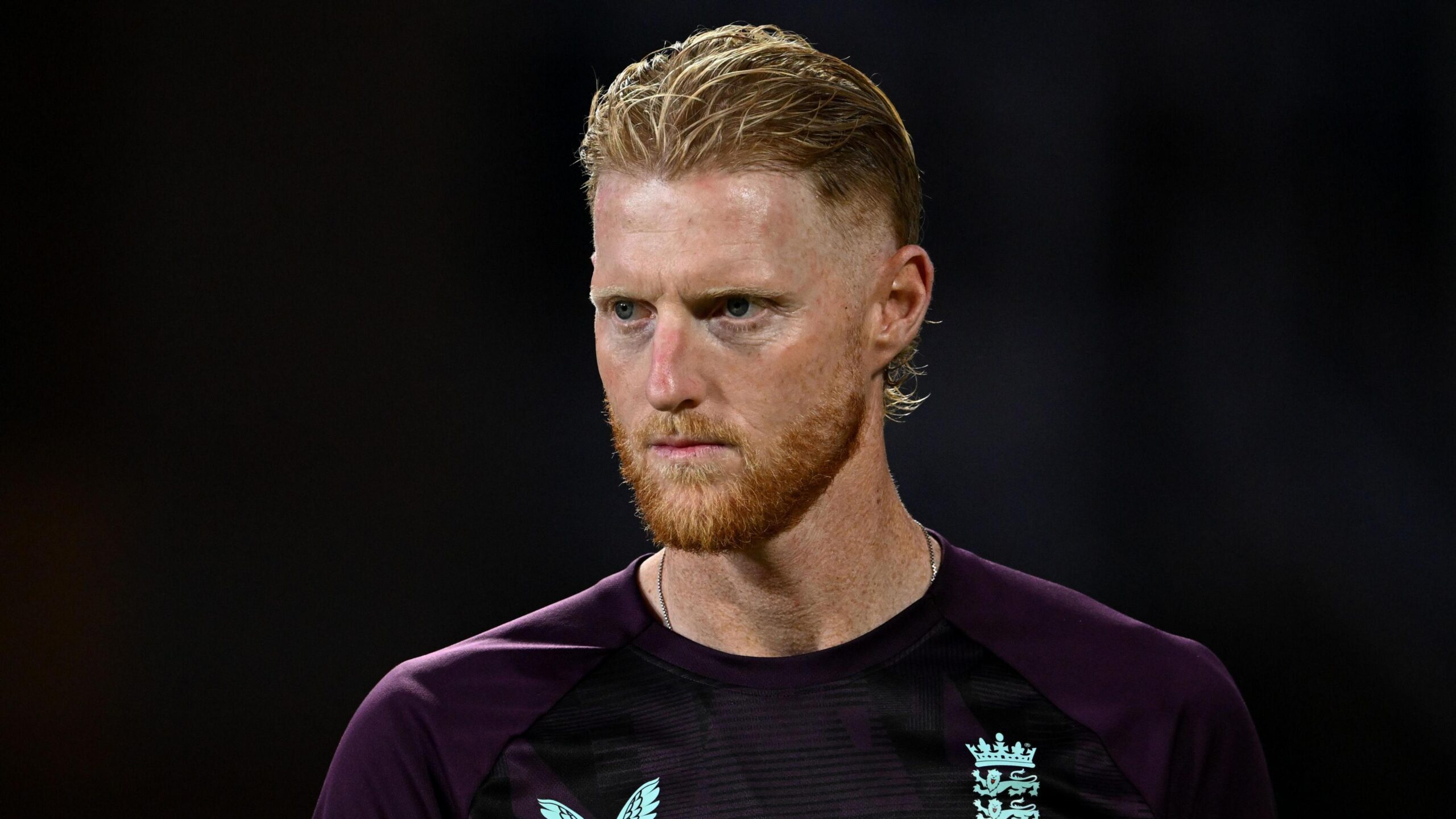
The Ashes 2025 series is already crackling with intensity, but as England heads into the second Test at Brisbane’s iconic Gabba on December 4, the stakes couldn’t be higher. Trailing 1-0 after a humiliating eight-wicket collapse in Perth—where Travis Head’s blistering 123 off 83 balls turned a promising position into a two-day rout—the Bazball era faces its sternest examination yet. Brendon McCullum’s aggressive philosophy has revolutionized English cricket, but whispers of overconfidence and tactical naivety now echo louder than ever. This Gabba Test 2025 isn’t just about salvaging the urn; it’s a referendum on whether Bazball can conquer Australia’s fortress. For fans tuning in from chilly English winters, victory here could transform festive despair into unbridled joy—or deepen the gloom of another Down Under drubbing.
England’s camp has endured a grueling 12-day hiatus since Perth, a period marred by relentless Australian media scrutiny and off-field distractions, from e-scooter mishaps to debates over pink-ball preparations. Yet, captain Ben Stokes radiates defiance, insisting his “brand new outfit” approaches the Ashes second Test with “no fear.” Many players are on their first Ashes tour, unscarred by historical baggage. As McCullum himself noted, this series defines his team’s legacy—failure risks unraveling the progress made since 2022. With Australia eyeing a 2-0 lead, England must channel their attacking ethos to breach the Gabba’s walls, a venue synonymous with visiting heartbreak.
The Perth Hangover: Lessons from a Lightning Collapse
The first Test at Perth Stadium set a frenetic tone for the 2025 Ashes series. England, electing to bat, mustered 172 in their first innings before skittling Australia for 132—thanks to Gus Atkinson’s fiery spell and Jofra Archer’s return from injury. Leading by 40, the visitors seemed poised for dominance. But Bazball’s high-wire act faltered spectacularly. In their second dig of 164, England crumbled from 65-1 to all out, their middle order exposed by Mitchell Starc’s swing (7-58) and Scott Boland’s precision. Australia chased 205 in just 28.2 overs, Head’s carnage underscoring England’s inability to sustain pressure against elite pace.
This wasn’t mere misfortune; it exposed Bazball vulnerabilities. England’s strike rate soared to 70.7 under McCullum—double the pre-2022 average—but against top sides like Australia, control slips away. In 16 Tests versus India and Australia since June 2022, they’ve failed to take 20 wickets in six matches. Perth’s two-day finish, the quickest Ashes opener since 1902, amplified calls for pragmatism. Critics, including former captain Michael Vaughan, praised Head’s expansiveness but questioned England’s ruthlessness. Stokes, ever the warrior, views it as fuel: “We got out-Bazballed, but that’s the beauty—we adapt and attack harder.”
Off the field, the break bred introspection. Australian outlets dissected England’s “arrogance,” from golf outings to aquarium visits, while Stokes quashed talk of fines for minor infractions. The result? A unified squad, bolstered by Will Jacks’ surprise inclusion as a spin-bowling allrounder over Shoaib Bashir, signaling tactical flexibility for the pink-ball challenge.
Gabba’s Ghosts: A Fortress Begging to Be Breached
Enter the Gabba, cricket’s coliseum of despair for England. Dubbed the “Gabbatoir,” this Brisbane bastion has hosted 68 Tests since 1931, with Australia claiming 42 victories—a win-loss ratio unmatched among regular venues. For the visitors, the ledger is grim: just four wins in 22 matches since 1933, the last in 1986 when Ian Botham’s 138 and Graham Dilley’s 5-68 sparked a seven-wicket triumph. Since then, 11 losses and seven draws, including infamous capitulations like the 2002 “bodyline” revival and Steve Harmison’s 2006 wayward first ball.
England’s Gabba record reads like a horror novel: average first-innings score of 329 across 69 Tests, but their haul? A paltry two post-WWII wins (1933 and 1936, both by slim margins). Alastair Cook’s 235 not out in 2010 remains their highest score, part of a record 517-1 declaration that salvaged a draw. Yet, recent cracks offer hope. West Indies stunned Australia in a 2024 pink-ball thriller here—the hosts’ sole day-night defeat at the venue. India drew a rain-hit affair in 2024, too. With just 3mm of grass on this pitch—far less than usual—experts predict a batter-friendly surface favoring Bazball’s flair, provided the ball doesn’t seam under humid twilight conditions.
Australia’s home invincibility adds steel. They haven’t lost three straight home Tests in 37 years (since 1988 against West Indies), nor three in a row after leading a series since the 1954-55 Ashes. Nine consecutive unbeaten Tests against England at the Gabba (seven wins, two draws) since 1987 loom large. But absences test them: Pat Cummins (injury) and Josh Hazlewood (rest) hand Steve Smith the captaincy, with Travis Head opening sans Usman Khawaja (ruled out). Nathan Lyon sits out for Brendan Doggett, a bold move against England’s seam-heavy attack.
| Key Gabba Stats: Australia vs England | Australia | England |
|---|---|---|
| Tests Played | 67 | 22 |
| Wins | 42 | 4 |
| Losses | 12 | 11 |
| Draws/Ties | 13 | 7 |
| Highest Team Total | 645 (1946) | 517/1 (2010) |
| Avg. 1st Innings Score | 380 | 329 |
| Consecutive Home Wins (vs ENG) | 7 (1987-2022) | N/A |
This table underscores the chasm: Australia’s dominance, yet England’s potential to exploit a transitional pitch and depleted attack.
Bazball Under Fire: Philosophy Meets Pressure Cooker
Since McCullum and Stokes ignited Bazball in 2022, England have won 19 of 30 Tests—a 63% strike rate—but overseas against the “Big Three” (Australia, India, South Africa), it’s 6-7. The mantra—positive intent, no reverse sweeps in defense, declare aggressively—thrives on flat tracks but crumbles under seam. Perth exposed this: 19 wickets fell on day one, the most in an Ashes opener since 1884. Now, at the Gabba, where bowlers strike every 74.1 balls in Ashes clashes (second-highest venue rate), England’s pacemen—Archer, Atkinson, Brydon Carse—must match Starc’s pink-ball wizardry (36 false-shot wickets in 2025).
Key men step up: Joe Root, chasing a Gabba ton to break his Australian curse (average 31.84 since 2023), partners Harry Brook, whose first-innings half-centuries against Australia (five in seven) could anchor. Ollie Pope eyes redemption after Perth ducks. For Australia, Smith’s leadership (no Bazball, just grit) and Boland’s Gabba mastery (31 first-class wickets at 15.90) loom. Stokes, nursing a knee niggle, embodies resilience: “This will define us—let’s define it on our terms.”
Pathways to Urn Redemption: What a Win Means
A 2-0 deficit wouldn’t end the Ashes 2025 mathematically—three Tests remain, including a Boxing Day showdown at Melbourne—but psychologically? Catastrophic. It evokes 2010-11’s 3-1 whitewash or 2017-18’s 4-0 rout, sparking sackings and ECB overhauls. Victory, though, flips the script: levels the series, silences doubters, and validates Bazball as a true contender. England chase 205 in 28 overs? Possible under lights, but improbable without discipline. Draw? Unlikely on this surface.
McCullum’s philosophy shines in adversity: “We’ve outscored everyone, but now we outfight them.” Fans, brace for a pink-ball spectacle—twilight swing, floodlit fireworks. Will Brook’s flair or Root’s steel prevail? As the clock ticks toward December 4, 2pm local (3am GMT), one truth endures: in the Gabba Test 2025, only a win keeps Bazball’s dream alive. The urn beckons, but Brisbane bites first.
