‘Be Comfortable in Your Own Identity’ – Agassi’s Advice to Raducanu Lights Path Back to the Top
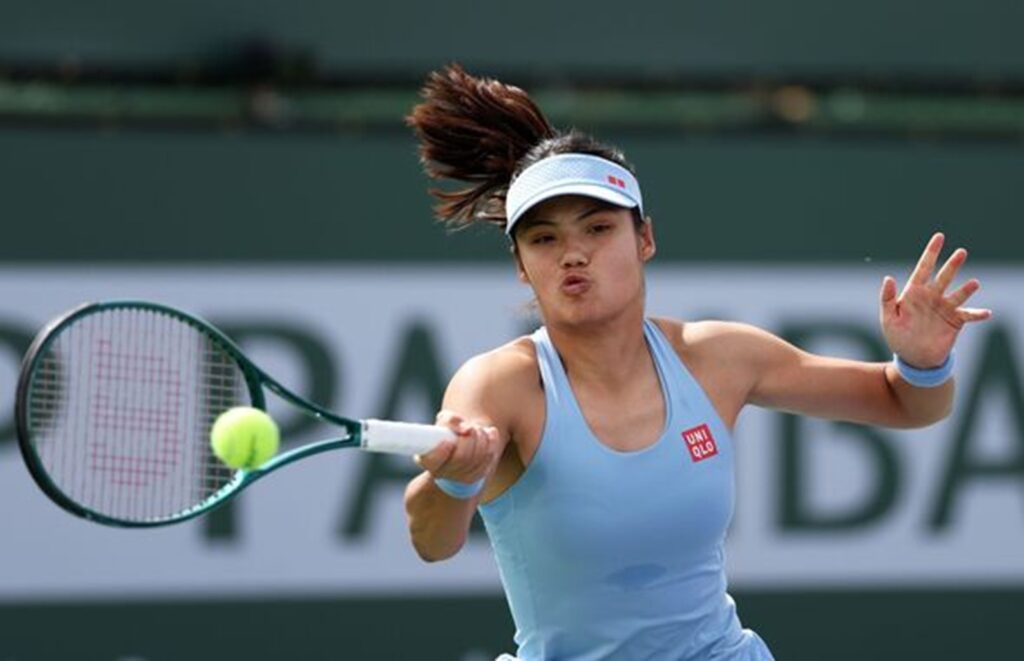
Emma Raducanu has turned to one of tennis’s most candid voices for guidance as she navigates a difficult stretch. The British player, five years on from her stunning 2021 US Open triumph, is drawing inspiration from Andre Agassi’s 2009 autobiography while plotting her route back toward the pinnacle of the sport. Agassi’s recent advice to her centres on a simple yet powerful idea: be comfortable in your own identity.
Finding Relatability in a Tennis Legend’s Story
Raducanu has not played a competitive match for roughly three months after an injury interrupted her progress. Her ranking has slipped from the low 30s to around 96th on the WTA list. In conversations about her recovery and future goals, she has spoken openly about reading Agassi’s memoir Open. The book details the American’s dramatic highs and lows, including the period in the late 1990s when he reinvented his training and climbed back to the top of the game.
“I was especially intrigued by the passage where he got out of his slump in the late 1990s by creating his own training regimen and finding his way back to the top,” Raducanu explained. “It speaks in depth about his early successes and the lows he reached, perhaps as a result of them. A lot of it was so relatable.”
The connection makes sense. Both players experienced rapid early success followed by intense public scrutiny and personal challenges. Raducanu became the first qualifier in the Open era to win a Grand Slam title at just 18. Agassi, meanwhile, spent years wrestling with the demands of a sport he did not initially choose for himself. His memoir lays bare the emotional cost of that journey and the process of reclaiming ownership of his career and identity.
Agassi has expressed satisfaction that his experiences continue to resonate. Speaking on BBC Breakfast, he said it was wonderful to hear that anyone could relate. His hope, he added, was that the book might give someone hope and practical tools. If a reader understood they were not alone and could reach a healthier place without directing frustration at the game itself, then the book had succeeded for him.
Agassi’s Direct Advice: Focus on Daily Best, Not Perfect Results
When asked what guidance he would offer Raducanu specifically, Agassi delivered a clear message. He encouraged her to concentrate on being the best version of herself each day. At the same time, he warned against measuring that effort solely by results or by an expectation of constant perfection.
“You have to learn to be 100% of whatever percent you’re at [and] be comfortable in your own identity inside of that – not what people say,” Agassi stated. He also noted the changed media landscape. In his era, he could simply put down the newspaper. Today’s younger players face a constant stream of commentary that is harder to avoid.
The phrase “be comfortable in your own identity” has quickly become the headline takeaway from the exchange. It speaks directly to the pressures Raducanu has faced since her breakthrough. Early fame brought high expectations, frequent coaching changes, and periods of injury that disrupted momentum. Learning to define success on personal terms rather than external noise has become a recurring theme in her own comments over recent seasons.
A Shared Theme of Ownership and Authenticity
Agassi’s own career offers a parallel narrative of gradual self-acceptance. Tennis was never a childhood passion for him; it was largely shaped by external forces. Later, through deliberate choices about training, relationships, and purpose, he rebuilt both his ranking and his relationship with the sport. That process of taking ownership appears to be what Raducanu finds most useful right now.
Raducanu has previously spoken about feeling more comfortable with herself and enjoying the daily process rather than fixating only on outcomes. She has described the value of authenticity on court and the importance of surrounding herself with people who allow her to play in a way that feels true to her instincts. Agassi’s counsel reinforces that direction. By focusing on being fully present with whatever capacity she has on a given day, she can reduce the weight of results-driven judgement.
The timing of this public exchange is notable. Raducanu is preparing for a return to competition after the injury layoff. Her comments suggest a measured outlook: she intends to keep doing her best and enjoy the process while maintaining concrete goals. Obsessing over results, she has observed, often proves counterproductive.
Why the Message Resonates Beyond One Player
The advice to “be comfortable in your own identity” carries wider relevance for athletes at every level. Professional tennis places individuals under sustained scrutiny. Rankings, media narratives, and public expectations can easily obscure a player’s own sense of progress. Agassi’s experience shows that separating self-worth from weekly results is both difficult and essential for long-term sustainability.
For Raducanu, the message arrives at a transitional moment. Five years after her US Open victory, she is still relatively early in her career yet has already lived through the full cycle of sudden success, setbacks, and rebuilding. Drawing on Agassi’s documented path provides a concrete example of recovery that goes beyond simple motivational slogans. It emphasises daily consistency, acceptance of current limitations, and resistance to external definitions of success.
Transition words and varied sentence structure help keep the narrative accessible for online readers following tennis comebacks, player psychology, and career reinvention. Keywords such as Agassi’s advice to Raducanu, be comfortable in your own identity, Emma Raducanu comeback, and Andre Agassi autobiography appear naturally without forced repetition. The focus remains tightly on the verified exchange and its context rather than speculation.
As Raducanu continues her recovery and prepares for upcoming events, Agassi’s words offer a steadying framework. Being the best of herself each day, accepting the percentage available in that moment, and remaining comfortable in her own identity may prove more valuable than any single ranking target. For a player still writing the next chapter of her career, that perspective provides both practical guidance and a sense of continuity with one of the game’s most thoughtful former champions.
Follow for real-time match analysis!🚀
Discover more from DeeplyticAI
Subscribe to get the latest posts sent to your email.