Brazil National Team Faces Major Rebuild After World Cup 2026 Exit Under Carlo Ancelotti
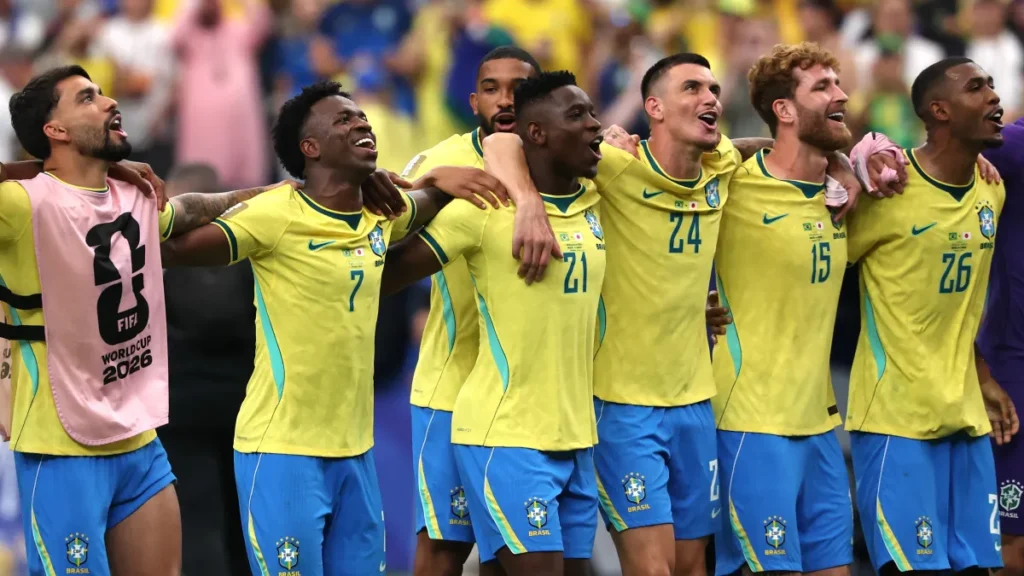
A Crushing Exit for the Brazil National Team
The Brazil national team has suffered an unmitigated disaster at the 2026 World Cup, crashing out of the tournament earlier than anticipated. Four years ago, they were unfortunate to lose to Croatia in the quarter-finals, and in 2018, they fell to Belgium at the exact same stage. This time, however, there was no bad luck to blame. A comprehensive and deeply frustrating defeat to Norway marks a historic low point for the five-time champions.
Carlo Ancelotti arrived to stabilize the squad following a humiliating 4-1 thrashing by Argentina in March of the previous year. Although he significantly improved their World Cup qualifying campaign—winning 10 of his 16 matches in charge after the team had previously lost four out of five—the ultimate test has ended in failure. Consequently, the Brazil national team now requires major surgical changes to return to the pinnacle of global football.
Tactical Flaws and the Midfield Crisis
The most pressing issue lies in the midfield, an area where the Brazil national team was historically dominant, creative, and entrancing. Recently, however, they have abandoned imaginative central play, a tactical shift that is actively costing them matches. Being comprehensively outpassed by Norway on a warm summer afternoon in New Jersey was astonishing, yet it stems directly from the squad’s structural composition.
Carlo Ancelotti was arguably a hostage to his own decisions regarding Casemiro. The Italian manager recalled the veteran midfielder from an 18-month international wilderness to provide defensive structure. While this move freed up Bruno Guimaraes to enjoy a fine tournament—until his crucial missed penalty against Norway—it also exposed severe vulnerabilities. Casemiro struggles in open space, a flaw exploited early on when Norway had a goal disallowed. Furthermore, the absence of the injured Lucas Paqueta left Ancelotti without a like-for-like creative replacement. Bringing in Gabriel Martinelli shifted the tactical approach, making the attack almost entirely reliant on quick, direct breaks. Ultimately, the Brazil national team lacked the creative engine needed to control high-stakes games.
The Systemic Lack of Creative Midfielders
This tactical dilemma highlights a broader systemic issue within Brazilian football. The country is currently producing an abundance of wide strikers but a severe shortage of quality central midfielders. Ancelotti made a notable error in his initial squad selection by bringing only five midfielders to the tournament. When right-back Wesley suffered an injury in the final warm-up, the manager brought in Ederson to cover, but the fundamental imbalance remained unresolved.
The Neymar Conundrum and a Generational Shift
Perhaps the most controversial decision made by Carlo Ancelotti was the inclusion of Neymar. Succumbing to the demands of a star-struck public, the manager broke his own strict rules regarding fitness and form. In a brief cameo against Scotland, Neymar looked entirely out of sync with the modern game, resembling a retired player in a charity match. Astonishingly, Ancelotti started him in the crucial match against Norway.
Because Neymar lacks the mobility to track back, Ancelotti was forced to deploy him as a central forward. This tactical rejig pushed dynamic talents like Vinicius Jr and Endrick out wide and deeper, moving them away from the goal. This structural shift opened up the flanks, allowing Norway to feed Erling Haaland with excellent service. Although Neymar scored from the penalty spot, his overall impact was minimal, culminating in a petulant gesture that nearly earned him a red card. Following the match, the veteran star heavily hinted at his international retirement. Reflecting on his debut at the same New Jersey stadium back in 2010, he stated that his journey had finally come to a close.
Carlo Ancelotti’s Vision for the Future
Despite the heartbreak, Carlo Ancelotti remains defiant. Refusing to accept that this is the end of the road, he insisted that this defeat marks the start of a new cycle for the Brazil national team. The manager promised to work tirelessly to find new ideas, improve the squad, and handle the sadness of the defeat as fuel for the future.
Looking ahead, the build-up to the 2030 World Cup begins immediately. Qualification for the next tournament should be relatively straightforward, especially with Argentina, Paraguay, and Uruguay already confirmed as hosts to celebrate the centenary. However, a critical question remains: Is Carlo Ancelotti the right man to execute this massive overhaul? While he is a legendary fixer who has accumulated triumphs across Europe, managing a long-term generational rebuild is a different challenge entirely. For now, the Brazil national team must regroup, but the pressure is firmly on Carlo Ancelotti to deliver a true renaissance.
Follow for real-time match analysis!🚀
Discover more from DeeplyticAI
Subscribe to get the latest posts sent to your email.