
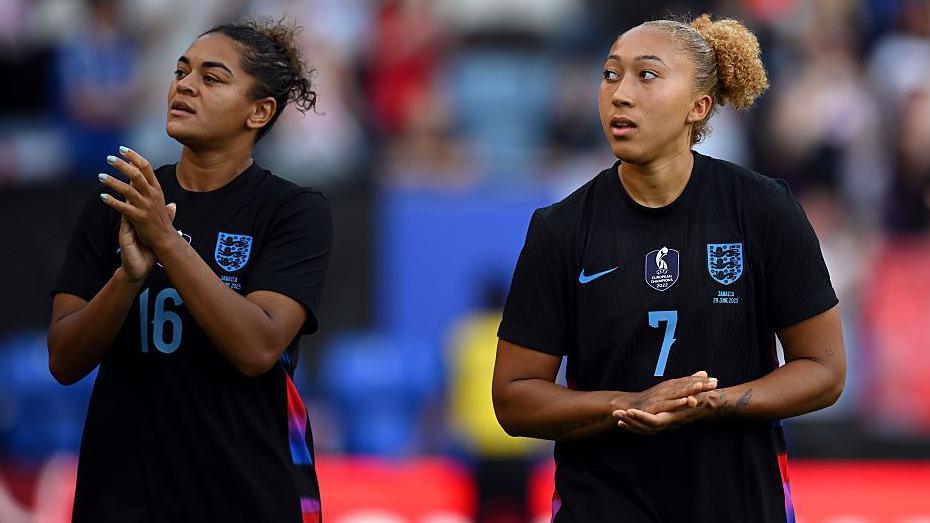
Carter Reveals Shocking Racist Abuse in Women’s Football
England defender Jess Carter has bravely opened up about the dark reality of racial abuse in women’s football, sharing her fears for teammate Lauren James and her own harrowing experiences. Carter’s revelations shed light on the pervasive toxicity that Black athletes face, exposing how racism infiltrates even the most triumphant moments of the game.
The Burden of Racism: Carter’s Fears for Lauren James
During the Euro 2025 quarter-final penalty shootout against Sweden, Carter admitted feeling an unsettling sense of relief when white teammates Beth Mead, Alex Greenwood, and Grace Clinton missed their penalties. Her concern wasn’t about their performance—it was about protecting Lauren James from the inevitable racist backlash had she been the only one to miss.
In a candid interview with ITN, Carter revealed, It’s horrible to say, but it’s almost like a sigh of relief when other players who weren’t Black missed, because the racism that would’ve come with LJ being the only one to miss would’ve been astronomical. Her words highlight the harsh double standard Black players endure—where mistakes on the pitch invite vicious abuse that white players rarely face.
Carter’s Personal Struggle with Racial Abuse
Carter didn’t just speak for James—she shared her own trauma. Earlier in the tournament, she was targeted with racist slurs and attacks, crushing her confidence and mental well-being. It makes you feel really small, she confessed. Like you’re not important, not valuable. You start second-guessing everything—it’s not a nice place to be.
The abuse didn’t stop with her. Carter’s family was devastated by the vitriol directed at her, showing how racism extends far beyond the individual, damaging entire support systems. Her experience underscores why many athletes of color carry an emotional burden that their white peers seldom have to consider.
The FA’s Response and the Need for Stronger Action
While the Football Association (FA) partnered with law enforcement to track down the perpetrators, Carter’s story exposes the limitations of reactive measures. England’s decision to stop taking the knee—a symbolic anti-racism gesture—reflects growing disillusionment with superficial solutions. Manager Sarina Wiegman openly stated the gesture’s impact had been not good enough, calling for more tangible change.
Social media platforms and governing bodies must do more to protect players, especially Black women, who endure disproportionate abuse. Though strides have been made in reporting and removing harmful content, the psychological toll remains immense.
When Fear Overshadows Achievement
Carter’s most heartbreaking admission was how racism marred what should’ve been the highlight of her career: starting in the Euro 2025 final. Instead of excitement, she felt paralyzing fear. That’s the first time I’ve ever been scared—too scared to play, she admitted. I was terrified of the abuse, whether for a mistake or just for being Black on that stage.
Her honesty reveals a grim truth—even in moments of glory, Black athletes must brace for hatred. No player should face such a psychological battle when representing their country at the highest level.
Carter’s Call for Change
Beyond highlighting the problem, Carter’s resilience serves as a rallying cry. While fan support has been a lifeline (the encouragement meant everything, she said), systemic reform is needed to eradicate racial abuse from football entirely.
The sport should celebrate skill, determination, and unity—not be shadowed by discrimination. As Carter and James continue to excel, their courage in speaking out amplifies the urgency for action. Racism must no longer be an accepted part of the game.
Related Topics
– England Women’s Football Team
– Women’s Football’s Fight Against Racism
– Anti-Racism in Sports: Beyond Symbolism
