
The Triple Jump World Record: A Legendary 30-Year Reign
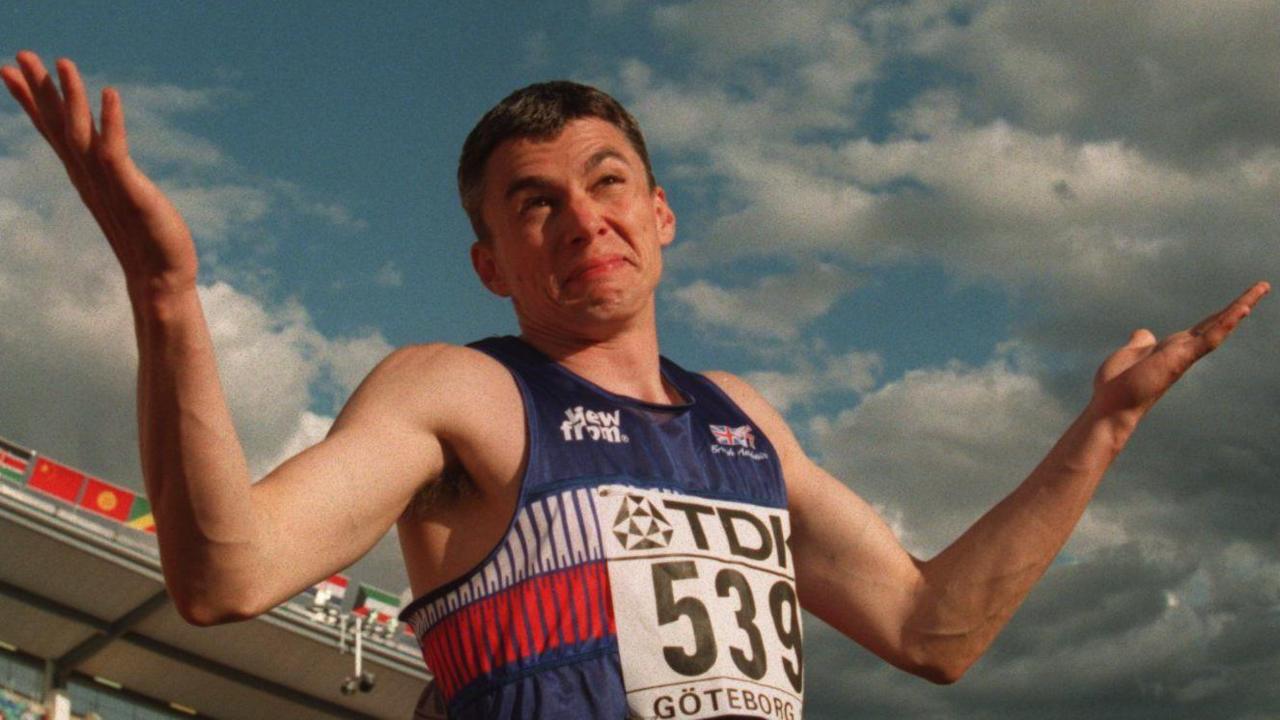
On August 7, 1995, British athlete Jonathan Edwards leaped into history at the World Championships in Gothenburg. His astonishing 18.29-meter jump shattered expectations and set a triple jump world record that still stands today—three decades later. Edwards himself admits to being baffled by its longevity.
Why Hasn’t the Triple Jump World Record Fallen?
I don’t think it’s a good sign for athletics that a record stands for 30 years, Edwards told BBC Sport. Despite advancements in sports science, nutrition, and training, no one has surpassed his mark. Only seven men in history have even crossed the 18-meter threshold, highlighting just how extraordinary his performance was.
Edwards’ achievement becomes even more impressive when considering the conditions. Before his jump, no athlete had legally exceeded 18 meters under acceptable wind conditions. That day, he didn’t just break the record—he demolished it twice, first with 18.16m and then, just 20 minutes later, with 18.29m.
The Making of a Legend
Leading up to Gothenburg, Edwards was the dominant force in the event. Earlier that year, he had already set a new world record with 17.98m, edging past Willie Banks’ previous mark by a single centimeter. He also held the all-conditions best of 18.43m, aided by wind.
Technique played a key role. Unlike traditional triple jumpers, Edwards saw himself as a sprinter first, comparing his ground contact during the hop, step, and jump phases to a pebble skimming water. At just 71kg, he was lighter than most competitors, relying on explosive speed and precision rather than brute strength.
A pivotal change came that season when he switched to a double-arm technique, replacing the alternating arm movement. “It made me so well-balanced,” he recalled. Yet, even with these refinements, Edwards battled nerves before the competition—so much so that he wore sunglasses to hide his anxiety from rivals.
The Competition’s Perspective
His rivals observed his prowess with awe. Jerome Romain, the 1995 bronze medalist, admitted to studying Edwards’ technique meticulously. “It was just remarkable the things that he did,” Romain said. Silver medalist Brian Wellman added that Edwards stood out because “he was the most efficient triple jumper out there.”
Has Athletics Fallen Behind?
Edwards believes the triple jump world record has endured partly because athletics hasn’t kept up with the professionalization of other sports. Young athletes today prioritize disciplines with bigger payouts.
“If you’re a talented kid, you wouldn’t necessarily pick track and field,” Edwards noted. “You certainly wouldn’t pick a field event where rewards are lower than on the track.” This trend is reflected in declining funding and participation, with UK Sport recently reducing athletics investment for the 2028 Olympics.
The Role of Technology—Or Lack Thereof
Another possible factor? Technology. While carbon-fiber shoes have revolutionized running, Edwards doubts they help much in jumping events. The explosive impact of the triple jump may limit any “spring effect” these shoes provide.
Dr. Tom Allen, a sports engineering expert, agrees: “The shoes’ impact on jumping events is likely small or negligible.” This could explain why three of the longest-standing men’s world records—high jump, long jump, and triple jump—date back to the early ‘90s.
Will the Record Ever Be Broken?
The closest challenge came in 2015 when American Christian Taylor leaped 18.21m. Still, recent Olympic-winning jumps hover around 17.80m to 17.90m—far from Edwards’ mark.
Romain believes the record is safe for now: “He can rest easy for a while. This is not an easy feat.” Edwards has mixed feelings about seeing his record broken. “It’s been part of me for so long,” he mused. “Actually, it would be nice if it carried on.”
One thing is certain: the triple jump world record set in 1995 remains one of sport’s most enduring accomplishments—a testament to a moment of perfect speed, technique, and defiance of gravity.
