‘Constant Bombardment’: Fans Exposed to Over 65,000 Junk Food Ads During 2026 World Cup Matches
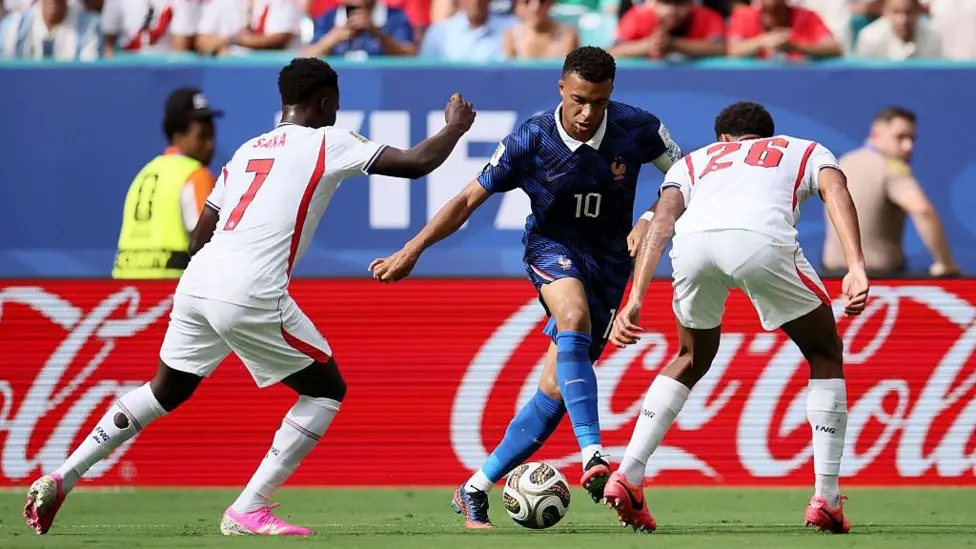
Football fans watching the 2026 FIFA World Cup were subjected to a “constant bombardment” of junk food and sugary drink advertisements, according to a new academic study. Researchers from the University of Bristol and the University of Oxford used artificial intelligence to analyse pitchside and stadium advertising visible to television viewers across all 104 matches of the tournament, which was co-hosted by the United States, Canada and Mexico.
The analysis recorded 65,722 appearances of logos and products classified as high in fat, salt or sugar under UK government definitions. These adverts were visible for a combined total of 28.1 hours during live play, equivalent to just over 16 percent of the overall match time. On average, viewers saw approximately 576 such advertisements during each individual game.
Leading Brands Dominate the Pitchside Displays
Coca-Cola, an official beverage partner of the tournament, accounted for the highest number of appearances with 21,893. McDonald’s, the official quick-service restaurant sponsor, followed with 13,915. Powerade registered 12,777, while Lay’s (known as Walkers in the United Kingdom) contributed 12,087. These four brands alone made up a substantial proportion of the total junk food and drink branding captured by the AI tool.
The study focused primarily on advertising boards around the pitch and other stadium signage that remained visible during active play. Commercial breaks and half-time segments were excluded from the core analysis, meaning the figures reflect only the exposure that occurred while matches were underway.
Comparison with Other Categories of Advertising
Junk food and sugary drink logos appeared far more frequently than other commercial categories. The researchers found they were displayed around seven times more often than alcohol and prediction market brands, ten times more often than gambling operators, and nearly 25 times more often than cryptocurrency promotions. This disparity highlights the prominence given to high-fat, salt and sugar products within the tournament’s commercial landscape.
Public Health Concerns Raised by Researchers
The research team argued that repeatedly associating unhealthy food and drink brands with the excitement, emotion and national identity of World Cup football can normalise consumption of these products. “Repeatedly connecting unhealthy food and drink brands with football, excitement and national identity can make these brands familiar and normalise their consumption,” the authors stated.
Public health experts have long expressed concern about the volume of such marketing during major sporting events. Children and young people form a significant portion of the global audience for the World Cup, and repeated exposure to branding for products linked to obesity, type 2 diabetes and other diet-related conditions remains a contentious issue.
Context of FIFA Sponsorship
FIFA’s long-standing partnerships with major food and beverage companies form a central part of the tournament’s commercial model. Coca-Cola has been associated with the World Cup for decades, while McDonald’s and snack brands such as Lay’s have also held official roles. These arrangements generate substantial revenue that helps fund the event, yet they continue to attract criticism from health campaigners who argue that the visibility of unhealthy products undermines broader messages about sport and wellbeing.
The 2026 tournament, the first to be staged across three countries and expanded to 48 teams, attracted a vast global television audience. The study’s findings therefore apply to one of the most widely viewed sporting events in history, amplifying the potential reach of the advertising identified.
Implications for Future Events and Regulation
The use of AI to quantify advertising exposure represents a methodological advance that allows researchers to measure branding with greater precision than previous manual analyses. Similar studies of earlier tournaments had already documented significant levels of high-fat, salt and sugar imagery, but the scale recorded in 2026 appears particularly extensive.
Campaign groups have previously called for stricter limits on the marketing of unhealthy products around major sports events, particularly those with large youth audiences. Whether the latest data will influence future sponsorship policies or national advertising regulations remains to be seen. For now, the study provides clear evidence of the volume of junk food advertising that accompanied the world’s biggest football tournament.
The findings arrive at a time when many countries continue to grapple with rising rates of diet-related illness. Linking those products so closely with the positive emotions of international football, the researchers suggest, risks reinforcing consumption patterns that public health authorities are simultaneously trying to reduce. As the debate over sports sponsorship and health continues, the scale of exposure documented at the 2026 World Cup is likely to feature prominently in future discussions.
Follow for real-time match analysis!🚀
Discover more from DeeplyticAI
Subscribe to get the latest posts sent to your email.