
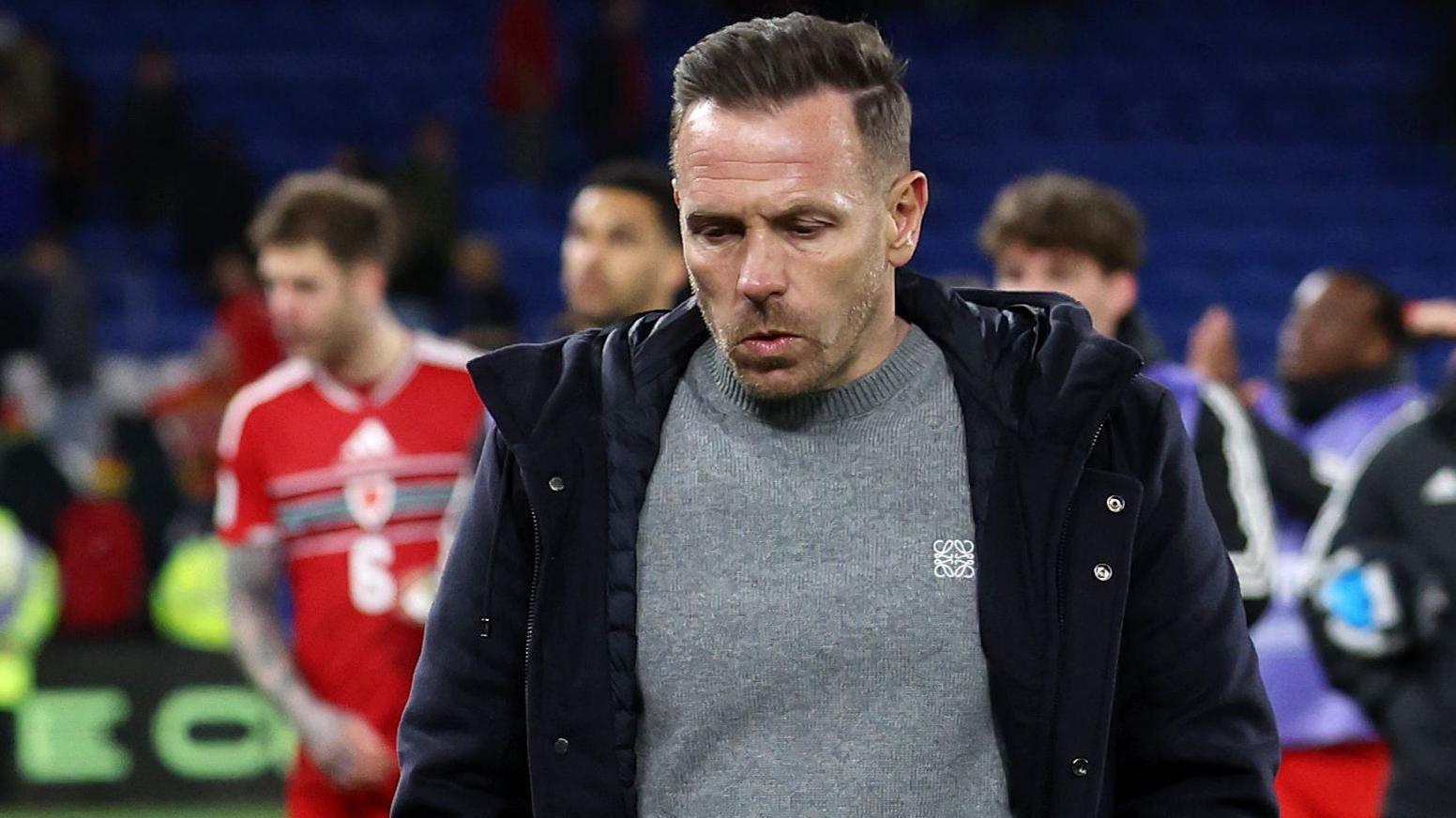
Wales’ hopes of reaching the 2026 World Cup were extinguished on March 26, 2026, in a dramatic penalty shoot-out defeat to Bosnia-Herzegovina at the Cardiff City Stadium. After leading 1-0 in the second half of the World Cup play-off semi-final, Craig Bellamy’s side allowed chaos to creep in, conceded a late equaliser from a corner, and ultimately fell short in the decisive spot-kick phase.
The result was a bitter disappointment for a young Welsh team that had shown character and quality throughout the campaign. Bellamy, who never played in a major tournament during his own career, was left to process the pain of falling at the final hurdle in his first attempt as head coach.
A Warning Ignored: Chaos Takes Hold
Bellamy had been explicit in his pre-match instructions. The day before the game, he warned his players: “Do not get involved in chaos. A chaotic game will not suit us, it suits them.”
For much of the match, Wales followed that script. They defended resolutely, created chances, and took the lead through Daniel James’ spectacular long-range strike. With the score at 1-0, Wales appeared in control and had opportunities to extend their advantage.
However, as the game entered its final stages, Wales stopped playing their natural game. Substitutions disrupted rhythm, and the team shifted into a defensive mindset, attempting to see out the result rather than maintain possession and control. Bosnia grew stronger, equalised from a corner, and forced the match into extra time and penalties.
Bellamy was clear about where the game slipped away: “It got chaotic and that was the bit we didn’t want with this team. We allowed the chaos to creep in for 20 minutes and tried to see the game out. We’re not built that way, we don’t play that way. We have to keep the ball.”
He acknowledged the understandable human element under pressure but stressed the lesson: “We needed to see the game out with the ball.”
The Impact of Substitutions and Squad Depth
Bellamy defended his substitutions, noting that many players do not regularly play 90 minutes for their clubs. Replacing dangerous attackers Daniel James and David Brooks with Liam Cullen and Mark Harris was intended to manage fatigue, but the changes coincided with a loss of control.
“I don’t think that’s fair,” Bellamy said when questioned about the impact of the replacements. “We make changes all the time and we have to. We have a lot of players who don’t play 90 minutes at their clubs, so to ask them to come here and play 90 minutes is a lot more difficult. We need a squad.”
The absence of key players through injury further stretched resources. The average age of the starting line-up was just 22.5 years—the second-youngest since World War Two—highlighting both the promise and the inexperience within the group.
A Night of Mixed Emotions for Bellamy
Bellamy was visibly subdued after the match, a rare sight for the usually animated coach. He expressed pride in his players’ efforts while acknowledging the deep disappointment: “I am very proud but definitely disappointed. There was a lot of good, but it wasn’t to be.”
The former Wales international never had the opportunity to play at a major tournament during his own career. This defeat marked his first major setback as head coach. Yet he was already looking toward the future: “We’ve got a home nations Euros coming up, what an incredible time. We wanted to be in a World Cup this summer, but the future is very bright. There are some good years ahead for Wales.”
Lessons Learned and a Bright Future Ahead
Bellamy emphasised that the defeat offered valuable learning opportunities. “It was a big lesson for us,” he said. “We needed to see the game out with the ball… I’ll think about that tomorrow morning because that hurt is sinking in now. It will be difficult to sleep off the back of this one but it makes me even more determined. Tomorrow the sun will rise and I’m going to watch that sunrise.”
The current squad possesses talent and depth. McNair, one of the few experienced players in the starting line-up, highlighted the strength throughout the group: “There is talent throughout the team… There will be many years of this team and tonight we will learn from and go forward.”
Wales now turn their attention to Euro 2028, which they will co-host with England, Scotland, and the Republic of Ireland. The tournament offers a significant platform on home soil and a realistic target for a young, developing side.
The pain of the Bosnia defeat will linger, but it also provides motivation. Bellamy and his players have shown they can compete against stronger nations when organised and clinical. With continued development and the benefit of experience, Wales have the foundations for a promising future.
As the sun rises on the next chapter, the focus shifts from disappointment to determination. The 2026 World Cup dream is over, but the journey toward Euro 2028 and beyond has only just begun.

