Darts Regulation Authority Bans Transgender Women from Women’s Events with Immediate Effect
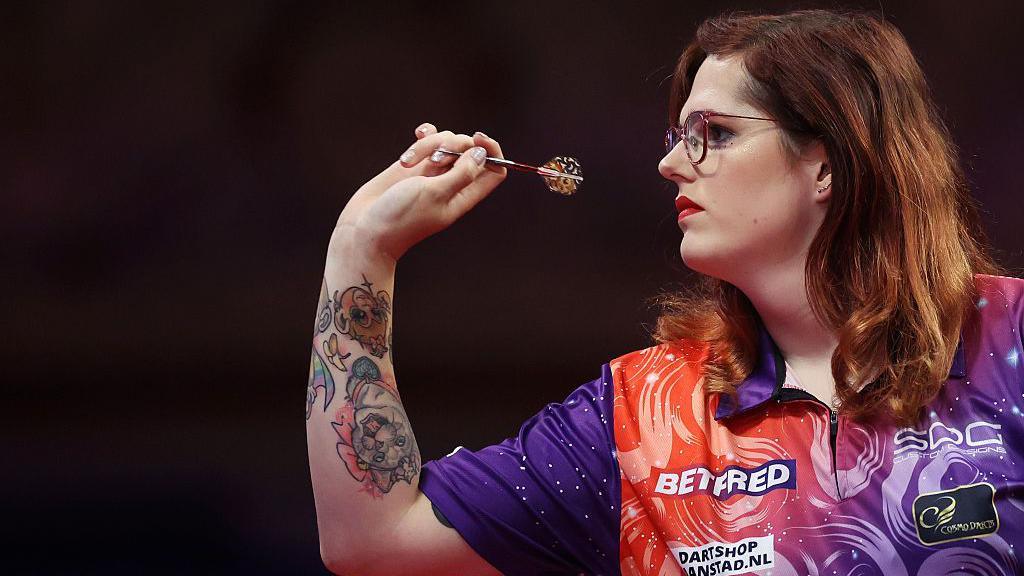
DRA Implements New Policy on Gender Eligibility in Women’s Darts Tournaments
The Darts Regulation Authority (DRA), which governs the Professional Darts Corporation (PDC), has introduced a significant policy change by banning transgender women from competing in its women’s events with immediate effect. Announced on 8 April 2026, the decision states that “only biological females should be eligible to compete in women’s tournaments regulated by DRA Rules.”
This move follows a comprehensive review of the DRA’s Trans and Gender Diverse Policy, which began in 2025. The authority emphasised that the policy is grounded in legal advice and scientific evidence, aiming to ensure fairness in women’s competitions while maintaining inclusivity in open events. For fans and stakeholders interested in darts governance and gender eligibility issues, the ruling marks a notable shift in how the sport addresses participation across categories.
Background to the Policy Review and Scientific Basis
The DRA commissioned a report from Dr Emma Hilton, an academic developmental biologist known for her research on sex differences in sport. The report concluded that “multiple, small-magnitude sex differences accumulate to generate male advantage over females in darts.” Although darts is often perceived as a sport where physical differences may be minimal, the analysis highlighted how factors such as grip strength, arm length, and subtle neuromuscular advantages can accumulate and influence performance at the elite level.
This evidence-based approach aligns with similar decisions in other sports. In 2025, the World Darts Federation (WDF) implemented a comparable ban on transgender women in its women’s tournaments. More recently, International Olympic Committee President Kirsty Coventry announced a blanket ban on transgender women and athletes with differences in sex development (DSD) from the 2028 Los Angeles Games. The DRA’s policy reflects a broader trend across sporting bodies seeking to balance inclusion with competitive fairness.
The authority stressed that it “seeks to be inclusive” and continues to encourage “all players — irrespective of their biological sex, legal sex, and/or gender identity” to participate in open tournaments available to both men and women. This approach aims to maintain accessibility while protecting the integrity of women’s categories.
Impact on Noa-Lynn van Leuven and Reactions from the Darts Community
Noa-Lynn van Leuven, who made history in 2024 as the first transgender woman to compete in the PDC World Championship, described the decision as effectively ending her career in women’s darts. In a video posted on Instagram, she stated: “I just got an email and apparently I just got retired, not by choice but because I am no longer allowed to compete… Everyday it is getting harder for trans people to exist, to compete. If you think this stops with me, it doesn’t. We just want to be.”
Van Leuven remains eligible to compete in open events, but the restriction on women’s tournaments represents a major change for her competitive pathway. Her participation had sparked debate within the darts community, with supporters arguing for inclusion and others emphasising the need for sex-based categories to ensure fairness.
Sex Matters, a sex-based rights charity, welcomed the decision, noting that “men’s physical advantages in darts may be small but they all add up.” The organisation highlighted that darts remains a male-dominated sport, played predominantly in pubs and clubs, which is why dedicated women’s tournaments are essential for providing meaningful competitive opportunities.
DRA’s Commitment to Fairness and Future Participation
The Darts Regulation Authority has positioned the policy as a necessary step to uphold fairness in women’s darts while remaining open to broader participation. By following scientific recommendations and legal guidance, the organisation aims to create an environment where female athletes can compete on equal terms.
This ruling does not affect open tournaments, which continue to welcome players of all backgrounds. The DRA’s approach seeks to strike a balance between inclusivity and the preservation of meaningful competition for women. As the sport continues to grow in popularity, particularly among female players, maintaining clear and evidence-based eligibility criteria is seen as vital for long-term development.
Broader Implications for Gender Policies in Professional Sports
The DRA’s decision contributes to an ongoing global conversation about gender eligibility in elite sport. Similar policies have been implemented or strengthened across various disciplines, reflecting growing recognition of the role biological sex plays in physical performance, even in sports like darts where advantages may appear modest.
For online readers interested in darts governance, gender eligibility in sport, and professional darts developments, this policy change highlights the complex intersection of science, fairness, and inclusion. The ruling underscores the importance of evidence-based decision-making in creating categories that allow all athletes to compete meaningfully.
As the PDC and DRA move forward with the new regulations, the focus will remain on supporting the growth of women’s darts while ensuring competitive integrity. The policy provides clarity for organisers, players, and fans, allowing the sport to concentrate on performance, skill, and enjoyment across all levels of competition.
The coming months will reveal how the ban influences participation and whether other sporting bodies follow a similar evidence-driven path. For now, the DRA’s decision stands as a clear statement on the importance of protecting women’s categories in professional darts.
Follow for real-time match analysis!
Discover more from DeeplyticAI
Subscribe to get the latest posts sent to your email.