Egypt World Cup Exit Sparks Outrage: VAR Controversy and Favoritism Claims Following Argentina Heartbreak
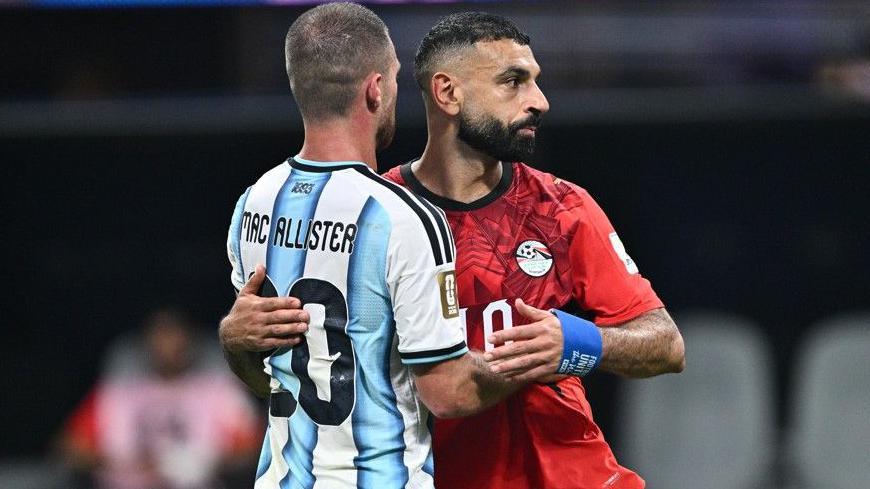
With just 12 minutes of normal time remaining, the Egypt national team stood on the precipice of their greatest-ever World Cup achievement. Leading the reigning world champions, Argentina, by a 2-0 margin at the Atlanta Stadium, a historic quarter-final berth beckoned for the football-obsessed African nation. However, the match took a dramatic and highly controversial turn. Ultimately, the Egypt World Cup exit was defined not just by a miraculous Argentine comeback, but by a fierce debate over officiating and alleged favoritism.
A Stunning Argentine Comeback
When Cristian Romero reduced the deficit in the 79th minute, the tactical directive for Egypt was simple: dig in and survive. However, the Pharaohs looked panic-stricken when Argentina captain Lionel Messi equalized just four minutes later. The drama peaked in the second minute of stoppage time, as Enzo Fernandez headed home to complete a remarkable 3-2 turnaround.
As French referee Francois Letexier signaled full-time, Egyptian players slumped to the floor in sheer disbelief. The heartbreak was compounded by a series of contentious officiating decisions that left the African nation furious.
The VAR Controversy and Disallowed Goals
The primary source of Egypt’s anger stemmed from the video assistant referee (VAR) ruling out a crucial second goal by Mostafa Zico. The disallowed goal occurred when Egypt was leading 1-0, following a marginal foul by midfielder Marwan Attia, who slightly stepped on Lisandro Martinez’s toe during the build-up. Furthermore, the Pharaohs were adamant that Mohamed Salah was fouled in the penalty area by Julian Alvarez seconds before Argentina’s stoppage-time winner.
Analyzing the Officiating Decisions
Football issues correspondent Dale Johnson noted that referees at this tournament were instructed to allow normal contact to maintain match tempo. While Attia’s challenge was incredibly minor, VAR protocols dictate reviewing the attacking phase’s origin. Because the challenge directly led to the goal, it was reviewable.
Conversely, the potential foul on Salah occurred inside the penalty box, where the threshold for awarding a spot-kick is significantly higher. Since the contact was deemed insufficient for a penalty, the VAR did not intervene, allowing Argentina’s dramatic winner to stand. This inconsistency between on-field leniency and VAR intervention became the focal point of the post-match backlash.
Hossam Hassan Fumes Over “Injustice”
In an explosive post-match interview, Egypt boss Hossam Hassan did not hold back his frustration. He accused his side of being “treated unfairly” and suffering blatant “injustice,” questioning the credibility of the tournament’s officiating.
Hassan heavily implied favoritism toward the South American giants, suggesting that external pressures influenced the outcome. “Perhaps they wanted to keep the world champion in the competition,” Hassan stated. “Perhaps they wanted Messi to stay in the running.” He argued that the reigning champions received support at every level, casting a shadow of doubt over the integrity of the match.
The frustration boiled over into disciplinary issues. An Egypt backroom staff member received a red card, while Hassan himself was booked. Ironically, the coach’s yellow card came after he crossed his arms—the FIFA-backed symbol for reporting racist incidents—in a passionate protest of the refereeing. Forward Mostafa Zico echoed his manager’s sentiments, declaring that the injustice was clear from the very first whistle.
Egypt’s Historic Run and Mohamed Salah’s Future
Despite the bitter Egypt World Cup exit, the Pharaohs arrived in North America as former underachievers and left a lasting mark on the tournament. Having historically struggled to win matches on the global stage, they secured their first tournament victory against New Zealand on June 22 before pushing Argentina to the absolute brink.
Meanwhile, questions surround the future of Egyptian talisman Mohamed Salah. Departing with just one goal from the tournament, the Liverpool star failed to register a shot or key pass against Argentina. With Salah set to turn 38 before the 2030 World Cup in Morocco, his international future remains uncertain, echoing the final World Cup outings of veterans like Cristiano Ronaldo and Luka Modric.
Furthermore, Egypt’s elimination leaves Morocco as the sole African representative still standing. The Atlas Lions will face France in the quarter-finals, carrying the hopes of an entire continent.
Pride Amidst the Heartbreak
For the fans, the Argentina vs Egypt clash was an emotional rollercoaster. BBC correspondent Shaimaa Khalil reported widespread anguish across Egyptian communities, with fans feeling utterly “robbed” after witnessing their team play as absolute equals against the world champions.
Ultimately, while the streets of Cairo and Alexandria fell quiet in shock, a profound sense of pride remains. Operating under the motto “Mekameleen” (we will keep going), this squad has elevated the nation’s footballing status. Egypt may have suffered a heartbreaking exit, but they have undeniably proven they belong among the global elite.
Follow for real-time match analysis!🚀
Discover more from DeeplyticAI
Subscribe to get the latest posts sent to your email.