England Fans at World Cups: Examining Arrest Records and Infantino’s Controversial Remark
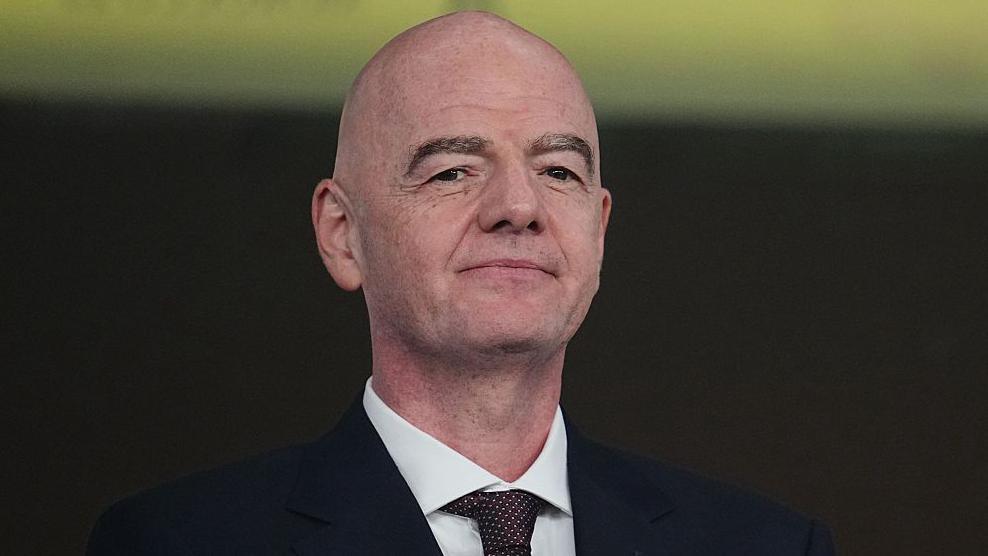
Fifa president Gianni Infantino’s light-hearted claim that no British fans were arrested at the 2022 World Cup in Qatar sparked debate. While factually true for that tournament, the comment overlooked broader context: low arrest rates characterise England supporter behaviour at World Cups. Distance, cost, and improved conduct contribute to this pattern, contrasting with occasional issues at nearby European Championships. This analysis explores historical data, evolving fan culture, and why Infantino’s quip—intended as humour—felt misplaced to many.
Infantino’s Statement and Immediate Reaction
At the 2026 World Economic Forum in Switzerland, Infantino referenced Qatar 2022: “For the first time in history, also, no Brit was arrested during a World Cup.” Laughter followed, but the Football Supporters’ Association criticised it as a “cheap joke” perpetuating stereotypes.
The remark tied to pre-Qatar concerns over fan safety and rights, plus historical hooliganism associations. Using “Brit” broadly may have irked Welsh, Scottish, and Northern Irish fans too.
Chief Constable Mark Roberts, UK football policing lead, countered: “British fans behaving at World Cups is the norm, not something special.”
World Cup Arrest Statistics: A Pattern of Restraint
World Cups since 1998—often distant—see limited England attendance and incidents:
| Tournament | Location/Distance | Estimated Fans | Arrests (Football-Related) | Notes |
|---|---|---|---|---|
| France 1998 | Europe | High | Moderate | Last major issues |
| Japan/South Korea 2002 | Asia | ~8,000 | 1 (violence/disorder) | Low due to travel |
| Germany 2006 | Europe | ~350,000 | 21 | Mostly minor |
| South Africa 2010 | Africa | ~30,000 | 0 | No recorded incidents |
| Brazil 2014 | South America | ~20,000 | 15 (non-violent) | Ticket touting/property |
| Russia 2018 | Europe | ~20,000 | 6 | Four anti-social |
| Qatar 2022 | Middle East | ~4,000 | 0 | Strict laws; low numbers |
Total across six tournaments: ~55 arrests from ~432,000 fans, mostly non-violent. One Germany-Poland 2006 clash alone exceeded England’s six-tournament total.
Distance deters casual attendees prone to disorder, while dedicated travellers prioritise positive experiences.
European Championships: Higher Risks, Higher Incidents
Accessible Euros attract larger crowds, correlating with occasional trouble:
- Euro 2000 (Belgium/Netherlands): 945 arrests amid Charleroi/Brussels violence; England nearly expelled.
- Euro 2004 (Portugal): Clashes in Algarve; reports varied from one official arrest.
- Euro 2016 (France): Marseille Russian fan attacks; nine British arrests tournament-wide.
- Euro 2020 (pan-Europe, Wembley final): Gate storming and disorder; Uefa punished England with closed-door game and fine.
Post-2000 reforms—Football (Disorder) Act, passport restrictions, banning orders—curbed issues significantly.
Evolution of England Fan Culture
Efforts transformed reputation. Behavioural campaigns, supporter groups like Football Supporters’ Association, and policing strategies fostered positive environments.
Recent tournaments reflect maturity: family-oriented travel, cultural engagement. Qatar 2022’s zero arrests aligned with norms, not anomaly.
Infantino’s joke risked undermining progress, echoing outdated “hooligan” tropes despite evidence of change.
Why the Comment Resonated Poorly
Humour relying on stereotypes—especially from Fifa leadership—felt tone-deaf. Roberts noted: “Not helpful nor accurate.”
Supporters invest emotionally; dismissing improved conduct as “special” diminishes efforts.
Positive Legacy and Ongoing Progress
England fans now exemplify good behaviour internationally. Low World Cup arrests reflect dedication, not exceptionality.
As 2026 co-hosting (with USA, Mexico, Canada) nears, accessible location may test standards—but lessons learned promise continued positivity.
This episode underscores football’s cultural shifts. England supporters’ evolution—from troubled past to model travellers—deserves recognition, not jest.
Infantino’s quip missed the mark. Data tells a story of responsibility and pride.
Follow for real-time match analysis! 
Discover more from DeeplyticAI
Subscribe to get the latest posts sent to your email.