
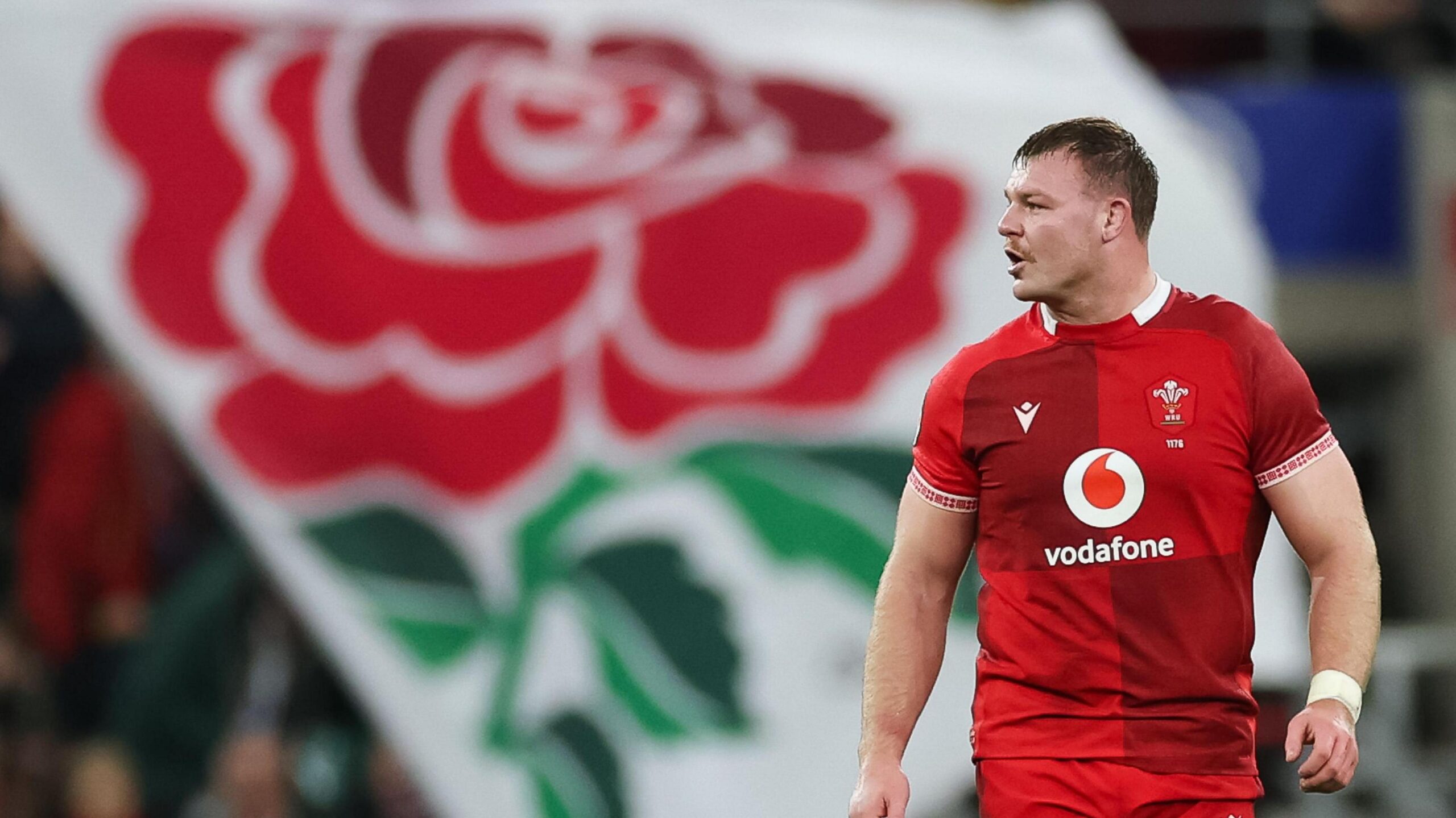
England launched their 2026 Guinness Six Nations campaign with authority, dismantling Wales 48-7 at Allianz Stadium, Twickenham, on February 7. Seven tries, relentless physicality, and tactical control delivered a bonus-point victory that tops the early standings. Yet head coach Steve Borthwick’s post-match reflections focused on untapped potential, signalling a squad hungry for perfection amid title ambitions.
Overwhelming Dominance in Key Metrics
England asserted supremacy from the outset, generating nearly twice Wales’ metres and carving 16 line breaks compared to six. Territory hovered around 60%, with Wales managing minimal sustained pressure. By the 25-minute mark, the contest felt decided, echoing last year’s record 68-14 rout in Cardiff but with added clinical edge.
Borthwick praised defensive solidity and kicking game but noted: “We left a lot out there… We’ll review and identify areas to improve sharply.” This mindset—celebrating excellence while demanding more—defines England’s evolution under the coach.
Henry Arundell’s Explosive Hat-Trick
Bath wing Henry Arundell, 23, dazzled with a first-half treble, boosting his international tally to 11 tries in 12 Tests. His low centre of gravity and blistering pace turned half-chances into scores, most notably scorching cover for the fourth try.
Arundell’s aerial improvements and defensive reads this season complement his natural gifts, making him indispensable in modern rugby’s chaotic broken play. In an era of kick-chase intensity, his finishing proves a potent weapon.
Unsung Heroes Driving the Engine
While Arundell grabbed headlines, forwards laid foundations. Ollie Chessum, stepping up with Maro Itoje benched initially, delivered tireless work rate. Ben Earl, excelling at No.8 despite flanker roots, led carries (17 for 78 metres), tied tackle charts, and secured turnovers—a complete performance cementing his world-class status.
Debutant Henry Pollock injected second-half energy, his breakdown poaching prompting debates over starting potential after six bench appearances.
Intriguing Positional Questions
Tommy Freeman thrived physically at outside centre, linking seamlessly with Northampton teammate Fraser Dingwall and leading metre-making. Yet occasional wide-channel clunkiness—evident in delayed passes—and reduced aerial utility raise queries.
Shifted late to wing, Freeman’s head-down power shone in the seventh try. With Ollie Lawrence returning from injury and options like Max Ojomoh emerging, Borthwick faces selection dilemmas. Persevering with Freeman offers continuity; alternatives provide fresh dynamics.
Key Player Contributions: England vs Wales 2026
| Player | Highlights | Impact Metric Example |
|---|---|---|
| Henry Arundell | First-half hat-trick | 3 tries; explosive line breaks |
| Ben Earl | All-action No.8 display | 17 carries, 78m; top tackles |
| Ollie Chessum | Tireless engine room work | High work rate; defensive solidity |
| Tommy Freeman | Physical presence; late wing try | Leading metre-maker |
| Henry Pollock | Impact sub; breakdown threat | Energy injection post-interval |
Building Toward Greater Tests
This result—England’s 12th successive win—affirms title credentials, especially after France’s statement against Ireland. Yet Borthwick’s focus on fine margins prepares for sterner challenges, culminating in a potential Paris decider.
Wales fought admirably to limit second-half damage, but England’s depth and intensity proved decisive. The rivalry endures, but current disparity highlights contrasting trajectories.
As the Six Nations progresses to March 14, England’s blend of star power and collective hunger positions them strongly. Fine-tuning these elements could deliver the championship glory fans crave.

