
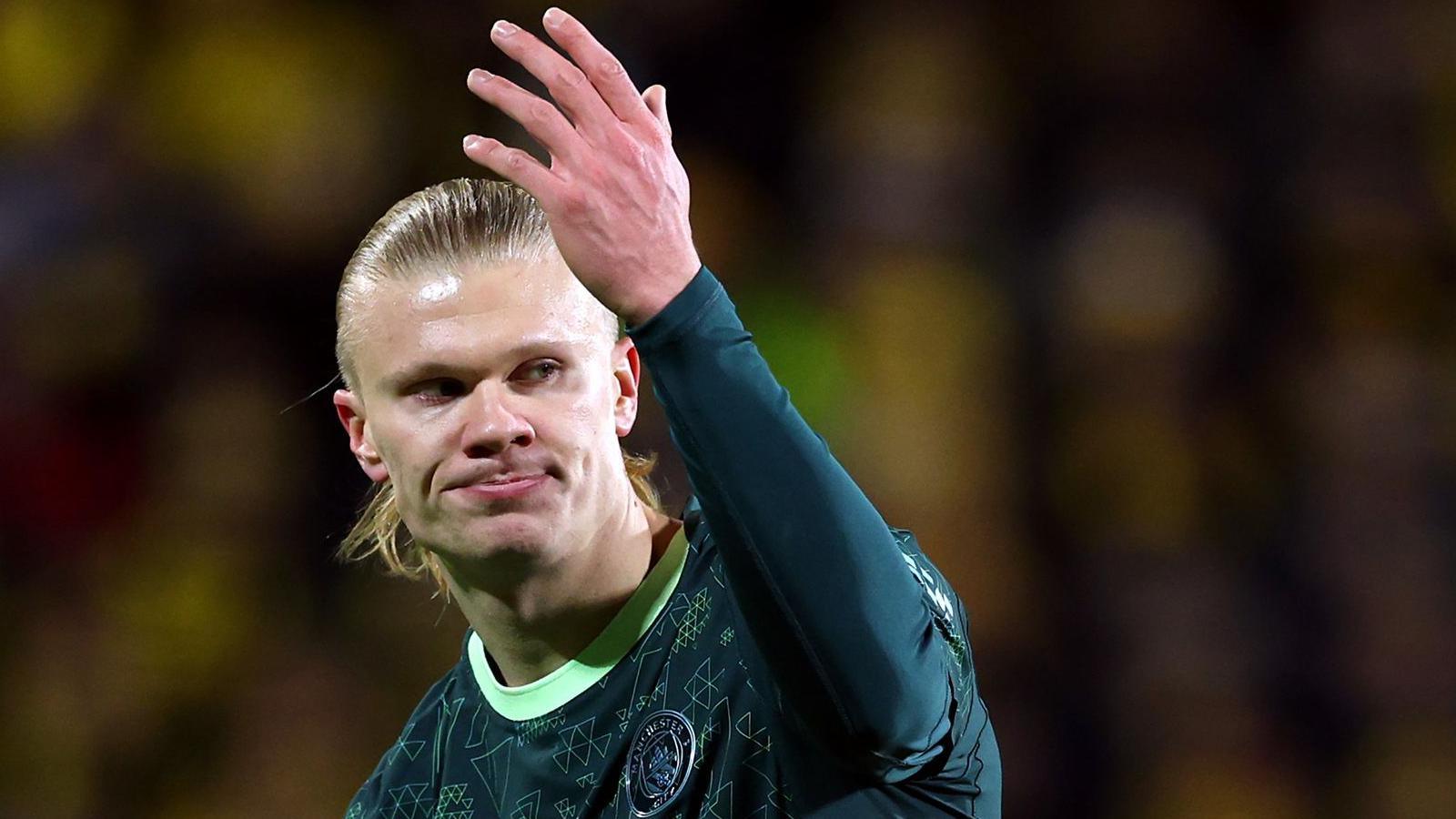
Erling Haaland’s extraordinary scoring record defines modern football, yet his recent drought has sparked debate. The Manchester City striker boasts 39 goals in 36 games across club and country this season—an astonishing rate. However, only one goal (a penalty) in his last eight matches raises questions: has Haaland been overplayed amid fixture congestion, or do deeper tactical and squad issues explain the dip? As City navigate a challenging period, Haaland’s form remains central to their title aspirations.
Haaland’s Season in Numbers
Haaland’s output remains elite despite the slump. He leads the Premier League with 20 goals in 22 appearances, ranking second among top-five league forwards for minutes played (2,568 in club games).
| Metric | This Season Total | Recent 8 Games | Comparison Notes |
|---|---|---|---|
| Goals | 39 (36 games) | 1 (penalty) | Longest open-play drought at City/Dortmund |
| Minutes Played (Club) | 2,568 | High | 2nd among top forwards |
| Shots per 90 Minutes | Decreased | -1 | Lower than early season |
| Touches in Opposition Box | 6.7 → 4.3 per 90 | Drop | Reduced service |
| Expected Goals (xG) per 90 | 0.98 → 0.42 | Sharp fall | Fewer big chances (1.94 → 0.81) |
These shifts coincide with City’s winless streak and Champions League shock at Bodo/Glimt.
Fixture Congestion and Physical Demands
Haaland acknowledges the “ridiculous amount of games,” playing frequently despite Guardiola’s rotation calls. Potential for 69 matches—including deep runs in cups, Champions League, and Norway/World Cup duties—tests recovery.
Guardiola highlighted fatigue post-derby loss, advocating 72-hour minimum rests. Haaland started full matches like the FA Cup rout of Exeter, where substitutes could have featured.
At 25, Haaland’s robustness is proven, but cumulative load—exacerbated by international travel—may contribute to the dip.
Tactical Shifts and Squad Impact
Early-season direct transitions suited Haaland, exploiting pace with Jeremy Doku and others. City scored more fast breaks than prior campaigns.
Recent controlled possession—partly injury-driven—reduced vertical passes. Key absences (defenders for quick progression, creators like Matheus Nunes for crossing) limit service.
Haaland thrives on runs in behind or back-post arrivals. Current setup often faces low blocks, with doubled marking restricting space.
Haaland’s Self-Reflection
Post-Bodo/Glimt, Haaland took responsibility: “I apologise… I take full responsibility for not scoring.” He rejected excuses, focusing on effort.
This accountability aligns with his mentality—previously overcoming dips through work rate.
Expert Views and Recovery Prospects
Chris Sutton warned against writing Haaland off: “He’ll come good again.” Tactical analyst Umir Irfan noted reduced transitional play hampers chances.
Returning players like Omar Marmoush and Antoine Semenyo could share burden. Rest rotation may refresh Haaland.
Manchester City’s Broader Context
City’s form mirrors Haaland’s: early dominance gave way to inconsistency. Injuries, Rodri’s integration post-layoff, and Foden’s quiet spell compound issues.
Guardiola seeks dynamic reset. Haaland’s rebound could catalyse revival.
Why Haaland Remains Central
His goal threat defines City. Droughts are rare but temporary in his career. At peak, Haaland elevates teams; current support must match.
This period tests resilience—for player and club. Haaland’s history suggests strong return.
Manchester City’s season hinges on unlocking their star. As fixtures intensify, Haaland’s response will shape outcomes.

