F1 2026 Engine Rule Changes: Formula 1 Refines Power Units to Boost Driver Skill, Racing Excitement, and Safety
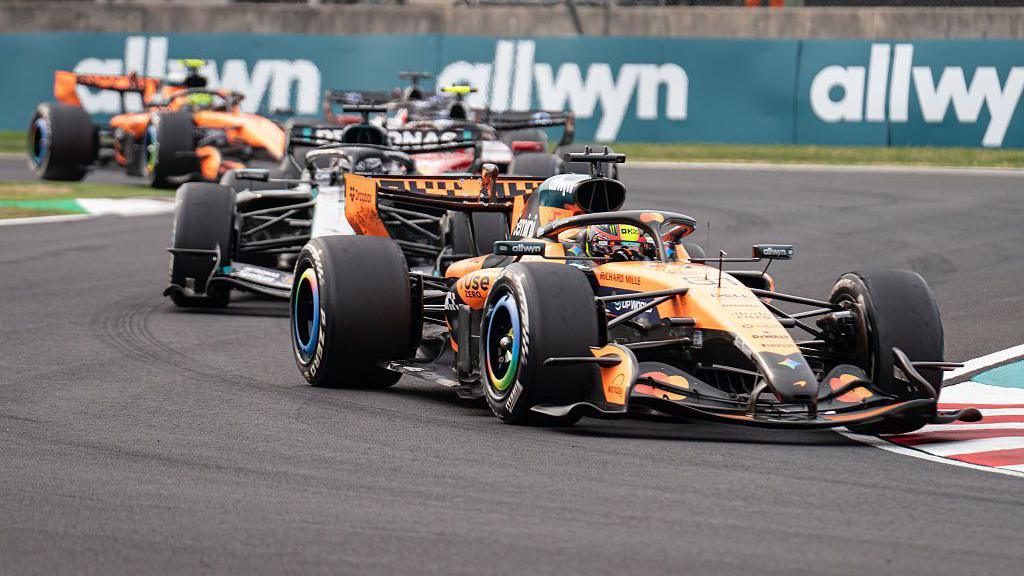
Formula 1 has swiftly responded to widespread concerns surrounding its groundbreaking 2026 power units by approving a series of targeted adjustments. These F1 engine rule changes aim to restore driver involvement, reduce unnatural driving techniques, and enhance overall safety without overhauling the core regulations. Introduced after just the opening races of the season, the refinements reflect a collaborative effort among teams, manufacturers, the FIA, and F1 leadership. Moreover, they address the near 50-50 split between internal combustion engine and electrical power that defines the new hybrid systems.
Driver Concerns Spark Urgent Action on Energy Management
The new power units have transformed how Formula 1 cars perform, placing far greater emphasis on electrical deployment and energy harvesting. However, this shift quickly led to complaints from drivers who felt their skills were being sidelined by complex energy management demands. Four-time world champion Max Verstappen publicly voiced his frustration, even hinting at reevaluating his future in the sport if the cars failed to deliver engaging racing. Similarly, other drivers highlighted issues such as excessive lift-and-coast maneuvers during qualifying laps and unpredictable speed differences in races.
These challenges arose because the advanced hybrids require precise battery management. When one car deploys its full electrical boost while another runs low on charge, gaps of up to 470bhp can emerge. Consequently, overtaking becomes riskier, and racecraft suffers. In response, F1 bosses opted for a measured approach—Toto Wolff, Mercedes team principal, aptly described it as “acting with a scalpel rather than a baseball bat.” The changes, unanimously approved at the F1 Commission meeting on April 20, 2026, will take effect from the Miami Grand Prix on May 3, following expected ratification by the FIA World Motor Sport Council. Most modifications roll out immediately, while race-start trials will be evaluated during the weekend.
Qualifying Overhaul: Promoting Consistent Flat-Out Driving
One of the most significant F1 2026 engine rule changes targets qualifying sessions, where energy harvesting had forced drivers into counter-intuitive tactics. Previously, pilots often had to lift off the throttle briefly before corners to recover sufficient energy, disrupting rhythm and diminishing the thrill of a flat-out lap.
To counter this, the maximum permitted recharge per lap drops from 8MJ to 7MJ. This reduction eases the pressure to harvest aggressively while still maintaining performance demands. Additionally, the peak power recoverable during “super-clipping”—when drivers harvest energy at full throttle without deploying the battery—rises from 250kW to the full 350kW limit. As a result, super-clipping durations should now last only two to four seconds per lap, allowing smoother, more consistent driving.
Furthermore, the FIA has expanded flexibility by increasing the number of circuits eligible for even lower energy limits from eight to 12. These tracks, typically featuring long straights and fewer corners, benefit most from tailored adjustments. Transitioning to these parameters, drivers will experience qualifying that rewards precision and commitment rather than energy juggling. Overall, the tweaks encourage flat-out performance while preserving the integrity of the 2026 power units.
Race Adjustments: Enhancing Safety and Reducing Speed Differentials
In races, the primary goal of the Formula 1 power unit modifications is to minimize dangerous closing speeds caused by varying deployment states. A notable incident involving Haas driver Oliver Bearman at the Japanese Grand Prix underscored these risks, where sudden power differences contributed to a high-speed avoidance maneuver.
The new rules cap the maximum “boost” mode power at 150kW—or the car’s existing deployment level if higher—to prevent abrupt performance surges. Moreover, full 350kW electrical deployment remains available in designated acceleration zones exiting corners, particularly when active aero elements open for straight-line mode. Elsewhere on the lap, however, deployment is limited to 250kW. This zoned approach maintains overtaking opportunities while curbing excessive differentials that could compromise safety.
An FIA statement emphasized that these measures “reduce excessive closing speeds while maintaining overtaking opportunities and overall performance characteristics.” Thus, racing should feel more equitable and predictable, allowing drivers to push harder without compromising control.
Wet-Weather Enhancements and Race-Start Trials
Wet conditions have posed additional challenges with the potent new engines. Following driver feedback, F1 has increased tyre blanket temperatures to improve initial grip and performance in the rain. Electrical deployment levels will also be reduced in these scenarios to limit torque and enhance car control, although exact figures remain under final review.
To improve visibility, rear light systems undergo simplification for clearer, more consistent cues in poor weather. These Formula 1 safety improvements help following drivers react faster, reducing collision risks during spray-heavy laps.
At race starts, the 2026 architecture has made getaways trickier due to the absence of certain previous support systems. One early-season near-miss in Australia highlighted the need for intervention. Therefore, teams will trial a low-power start detection system in Miami. If abnormal acceleration is detected, the MGU-K automatically deploys to guarantee a minimum level of performance—without granting any sporting advantage. Visual warnings via flashing rear and lateral lights will further alert the field.
Additionally, energy restrictions on the grid prevent cars from arriving with critically low battery levels. These trials, if successful, could become permanent fixtures, smoothing one of the season’s most unpredictable moments.
Collaborative Spirit Ensures Long-Term Success
The rapid implementation of these F1 engine rule changes demonstrates the sport’s commitment to continuous improvement. Technical chiefs, drivers, and stakeholders worked closely over recent weeks, ensuring refinements align with shared objectives: better racing, heightened safety, and preserved entertainment value.
While the 2026 power units represent a bold step toward sustainability and road relevance, early feedback revealed areas for fine-tuning. By acting decisively yet conservatively, Formula 1 has struck an effective balance. Fans can expect more engaging qualifying battles, closer race action, and safer conditions starting in Miami.
In the broader context of the championship, these adjustments reinforce why F1 remains the pinnacle of motorsport. Drivers regain agency over their machines, while spectators enjoy purer wheel-to-wheel combat. As the season progresses, ongoing monitoring will determine if further tweaks prove necessary. For now, however, the scalpel has delivered meaningful progress—ensuring the new era of hybrid power units delivers the excitement and skill that define Formula 1.
Follow for real-time match analysis!
Discover more from DeeplyticAI
Subscribe to get the latest posts sent to your email.