FA Chief Signs NDA to View Fifa Sell-Off Plot Documents
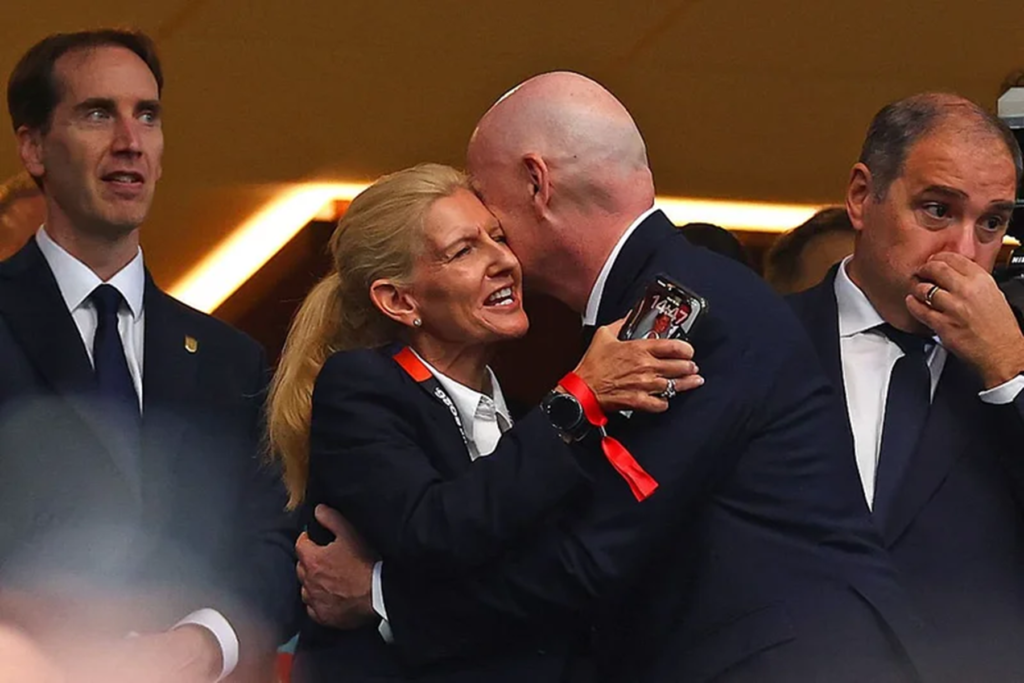
Football Association chair Debbie Hewitt has signed a non-disclosure agreement in order to examine confidential documents linked to Fifa president Gianni Infantino’s abandoned plan to sell stakes in the World Cup. The move comes amid ongoing demands for greater transparency surrounding one of the most controversial proposals in recent football governance.
Access Granted Under Strict Conditions
Hewitt, who has led the FA since 2022 and also serves as a Fifa vice-president, was permitted to review the material at the world governing body’s headquarters in Zurich. Fifa had earlier stated that “key documents” relating to the failed Fifa Forward Enterprise proposal would be made available to council members, but only in person and subject to strict review protocols designed to maintain confidentiality.
The requirement for an NDA means Hewitt is unable to disclose the contents of the documents or comment publicly on what she has seen. The arrangement has drawn attention precisely because it limits open discussion at a time when many within the sport continue to seek fuller accountability.
Earlier this month, a group of Fifa council members that included Hewitt expressed concern that any review would be restricted to selected materials under unspecified conditions. They requested clarity on the protocols and an explanation of why such limitations were considered necessary.
Background to the Controversial Proposal
The Fifa Forward Enterprise plan, developed in the period surrounding the 2026 World Cup final, envisaged creating a for-profit subsidiary that would hold commercial rights to Fifa’s major tournaments. Documents that have entered the public domain indicate the arrangement could have locked in commercial rights for periods of up to 96 years, with private investors contributing substantial capital in return for stakes.
Thrive Capital, associated with investor Joshua Kushner, was identified as a leading partner in the proposal. The scheme attracted significant opposition from Uefa and other confederations, who viewed it as a fundamental threat to the governance and ownership of the game’s most valuable assets. Infantino ultimately abandoned the plan following the backlash.
Critics have focused on the lack of open bidding, the limited involvement of Fifa’s own finance team until a late stage, and the potential for long-term private control over commercial revenues. Uefa has repeatedly pressed for the release of full documentation and answers to detailed questions about decision-making processes.
Broader Governance Questions
Hewitt’s decision to sign the NDA reflects the difficult position faced by council members seeking information while operating within Fifa’s confidentiality framework. The FA chair has previously been among those calling for independent scrutiny of the proposal and related matters.
The episode forms part of a wider pattern of tension between Fifa leadership and European football authorities. Uefa has set deadlines for the production of documents and answers, while public discussion continues about the balance between commercial opportunity and the long-term interests of the sport.
For the Football Association, the situation underscores the dual role of its chair as both national governing body leader and member of Fifa’s highest decision-making body. Access to the documents allows Hewitt to form an informed view, yet the NDA prevents her from sharing that assessment with stakeholders in England or the wider football community.
Implications for Future Oversight
The requirement for non-disclosure agreements when reviewing internal Fifa materials raises practical questions about how effective oversight can be exercised. Council members are expected to hold the organisation to account, yet restrictions on what they may discuss limit the ability to build collective understanding or public confidence.
Supporters of greater transparency argue that the scale and nature of the proposed commercial arrangement justified full disclosure to the council without such constraints. Fifa, for its part, has emphasised the need to protect commercially sensitive information even after the plan was withdrawn.
As Infantino prepares for a potential further term and the sport continues to generate ever-larger revenues, the episode serves as a reminder of the enduring challenges in football governance. The documents viewed by Hewitt may provide additional insight into how the proposal was developed and assessed. Whether that insight leads to meaningful reform or further institutional tension remains to be seen.
In the meantime, the FA chair’s decision to engage with the material under the terms set by Fifa keeps the focus on accountability while respecting the confidentiality rules currently in place. The football world will continue to watch how the governing body responds to calls for openness in the months ahead.
Follow for real-time match analysis!🚀
Discover more from DeeplyticAI
Subscribe to get the latest posts sent to your email.