
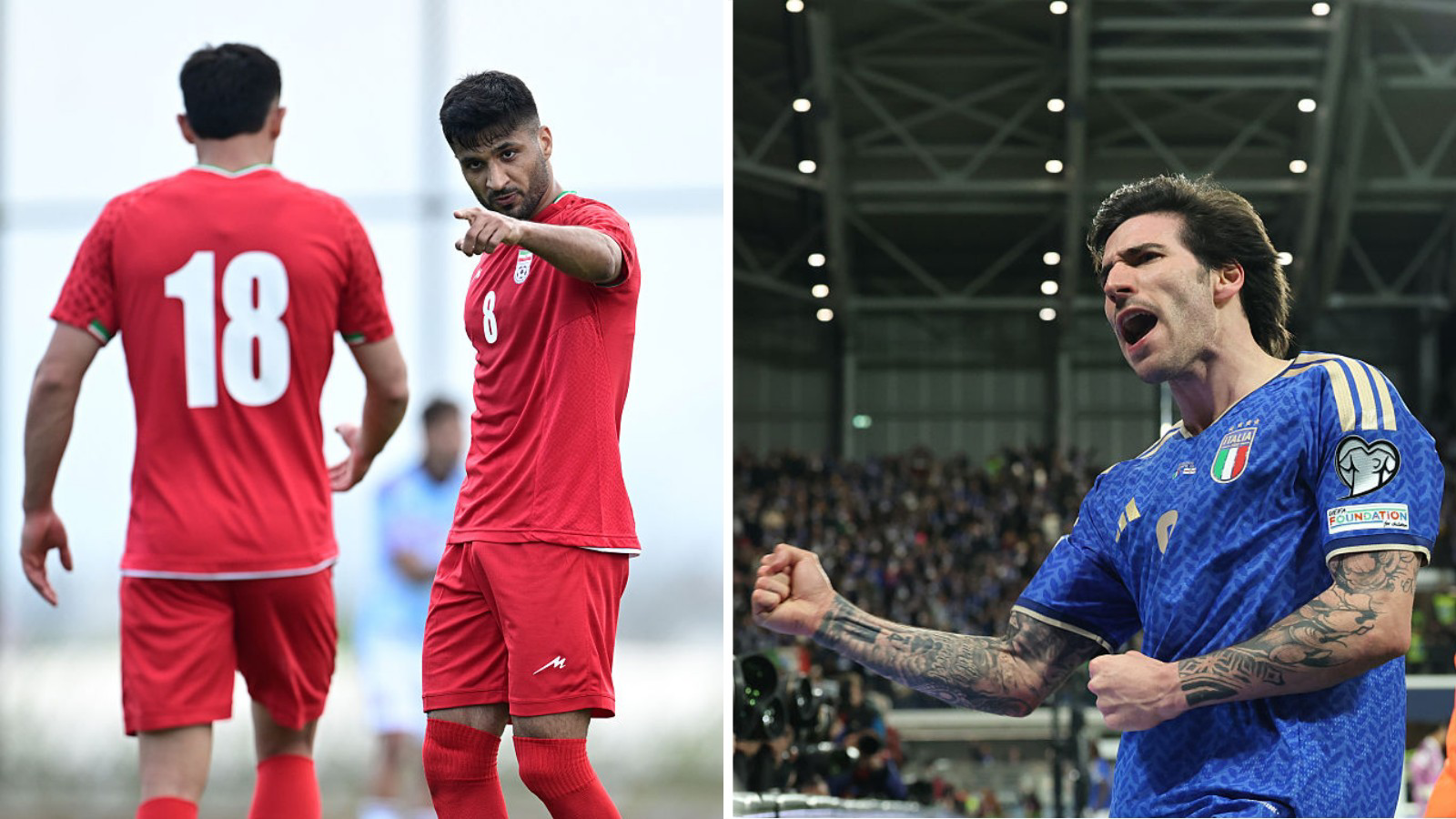
Governing Body Reaffirms Iran’s Participation Amid Diplomatic Speculation
FIFA has firmly stated it has no intention of replacing Iran with Italy at the upcoming 2026 World Cup, despite a high-profile proposal from US President Donald Trump’s special envoy. The suggestion, put forward by Paolo Zampolli, sparked widespread debate about the intersection of politics and sport on football’s biggest stage. Consequently, FIFA President Gianni Infantino reiterated the organization’s commitment to inclusivity: “The Iranian team is coming, for sure.”
For online readers following World Cup developments, this clarification underscores FIFA’s dedication to maintaining sporting integrity amid geopolitical tensions. Furthermore, the governing body emphasized that qualification results—not diplomatic considerations—determine tournament participation. Therefore, Iran’s place in the expanded 48-team format remains secure following their successful Asian qualification campaign.
Understanding the Proposal and Its Context
Paolo Zampolli, serving as a special envoy to the Trump administration, publicly suggested replacing Iran with Italy in a Financial Times interview. “I confirm I have suggested to Trump and Infantino that Italy replace Iran at the World Cup,” Zampolli stated. “I’m an Italian native and it would be a dream to see the Azzurri at a US-hosted tournament. With four titles, they have the pedigree to justify inclusion.”
However, this proposal faces significant regulatory and ethical hurdles. Italy failed to qualify for their third consecutive World Cup after losing a playoff to Bosnia and Herzegovina. Moreover, FIFA regulations grant the organization “sole discretion” regarding team replacements, but historical precedent shows such changes occur only in extraordinary circumstances—such as disqualification for regulatory breaches, not diplomatic preference.
FIFA’s Official Stance: Sports Should Remain Separate from Politics
Infantino’s Commitment to Qualified Nations
Speaking in Washington last week, Gianni Infantino addressed the controversy directly: “We hope that by then the situation will be a peaceful one. That would definitely help. But Iran has to come if they are to represent their people. They have qualified, and they’re actually quite a good team as well. They really want to play, and they should play. Sports should be outside of politics.”
This position aligns with FIFA’s longstanding principle of political neutrality in tournament administration. Consequently, the governing body has consistently supported Iran’s participation despite regional tensions. Additionally, Infantino confirmed in March that Iran’s matches would proceed in the United States as scheduled, following discussions with the Iranian Football Federation about potential venue adjustments.
Regulatory Framework Governing Team Participation
Under FIFA’s World Cup regulations, Article Six explicitly states: “FIFA may decide to replace the Participating Member Association in question with another association.” However, this provision is typically reserved for cases involving withdrawal, disqualification, or force majeure—not subjective assessments of sporting merit or diplomatic alignment.
Therefore, replacing a qualified team like Iran with a non-qualified nation like Italy would establish an unprecedented precedent. Moreover, such a decision could trigger legal challenges and damage FIFA’s credibility among its 211 member associations. Consequently, the organization has strong institutional incentives to uphold qualification integrity.
Iran’s Preparation and Logistical Considerations
Match Schedule and Venue Confirmations
Iran is scheduled to play three group-stage matches during the tournament, which runs from June 11 to July 19, 2026, across the United States, Canada, and Mexico. Their confirmed fixtures include:
- June 15: Iran vs. New Zealand in Los Angeles
- June 21: Iran vs. Belgium in Los Angeles
- June 26: Iran vs. Egypt in Seattle
These arrangements reflect extensive logistical planning involving security protocols, travel coordination, and fan engagement strategies. Furthermore, Iranian government spokesperson Fatemeh Mohajerani confirmed the team is “fully prepared” to participate, dismissing speculation about last-minute withdrawals.
Security Measures and Diplomatic Coordination
Given regional tensions, FIFA has worked closely with host nations to ensure comprehensive security arrangements for all participating teams. Consequently, Iran’s delegation will receive the same protective standards applied to every nation. Additionally, the organization maintains open communication channels with all stakeholders to address emerging concerns proactively.
Transition words like furthermore, consequently, and notably help illustrate FIFA’s systematic approach: the governing body prioritizes athlete safety while preserving competitive fairness. Therefore, diplomatic friction does not automatically translate to tournament exclusion—a principle central to international sport governance.
Italy’s Absence: Qualification Reality and Future Outlook
The Azzurri’s Qualification Journey
Italy’s failure to reach the 2026 World Cup stems from a playoff defeat to Bosnia and Herzegovina last month. This outcome marks the third consecutive tournament the four-time champions have missed, following absences in 2018 and 2022. Consequently, the Italian Football Federation faces mounting pressure to reform its development pathways and competitive structures.
While Zampolli’s proposal highlighted Italy’s historical pedigree, FIFA’s qualification system rewards current performance—not past achievements. Therefore, substituting Italy for Iran would undermine the meritocratic foundation of international football. Moreover, such a move could discourage investment in qualification competitions worldwide.
Broader Implications for Tournament Integrity
The debate over Iran and Italy illustrates broader tensions between sporting ideals and geopolitical realities. For online readers invested in World Cup narratives, this situation emphasizes why independent governance matters. Consequently, FIFA’s rejection of the replacement proposal reinforces confidence in the organization’s commitment to fair process.
Furthermore, maintaining clear boundaries between politics and sport helps preserve football’s universal appeal. As Infantino noted, athletes deserve the opportunity to represent their nations on the global stage—regardless of diplomatic circumstances. Therefore, upholding qualification results serves both ethical and practical purposes.
Looking Ahead: Unity Through Competition at the 2026 World Cup
As the tournament approaches, attention shifts to on-field preparation rather than off-field speculation. Iran’s squad will focus on tactical readiness, while Italy begins rebuilding for future qualification cycles. Meanwhile, FIFA continues coordinating with host nations to deliver a seamless, inclusive event celebrating football’s global community.
In summary, the 2026 World Cup will proceed with Iran’s participation confirmed and Italy’s absence acknowledged as a qualification outcome. For fans worldwide, this resolution affirms that sporting merit—not political preference—determines tournament representation. Consequently, the upcoming competition promises to showcase football’s power to unite diverse nations through shared passion and competitive excellence. As kickoff approaches, the focus rightly returns to what matters most: the beautiful game.

