
Iran Set for 2026 World Cup Participation Despite Geopolitical Tensions
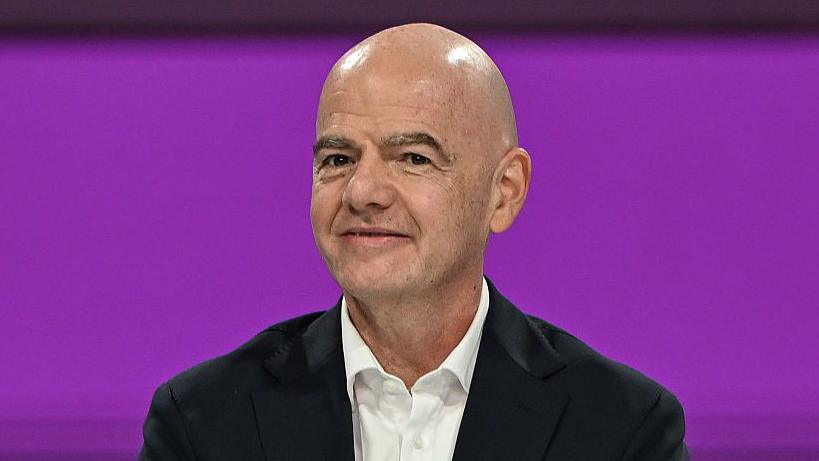
FIFA President Gianni Infantino has delivered a clear and firm message regarding Iran’s involvement in the upcoming 2026 FIFA World Cup. Speaking on 31 March 2026 during Iran’s 5-0 friendly victory over Costa Rica in Antalya, Turkey, Infantino stated that Iran “will be at the World Cup” and that their group-stage matches will take place in the United States as originally drawn. This reassurance comes amid ongoing uncertainty caused by the US-Israel conflict with Iran, addressing concerns over safety, participation, and potential venue changes.
The 2026 tournament, co-hosted by the United States, Canada, and Mexico, begins on 11 June. Infantino’s comments, made while attending the friendly and meeting with Iranian players and coaches, signal strong confidence in Plan A proceeding without alterations. “We’re delighted because they’re a very, very strong team. I’m very happy,” he told AFP, emphasising FIFA’s commitment to the established schedule.
Iran’s Scheduled Group G Fixtures in the United States
According to the official draw, Iran (IR Iran) face a challenging Group G alongside Belgium, Egypt, and New Zealand. All three of Iran’s matches are currently set for US venues on the West Coast:
- 15 June 2026: Iran vs New Zealand at SoFi Stadium (Los Angeles area)
- 21 June 2026: Belgium vs Iran at SoFi Stadium (Los Angeles area)
- 26 June 2026: Egypt vs Iran at Lumen Field (Seattle)
These fixtures align with the tournament’s structure, where Group G matches are concentrated in western North American stadiums. Infantino explicitly ruled out relocation, stating the matches “will be played where they are supposed to be, according to the draw.” He added there is “no Plan B, C or D” – only Plan A remains in place.
Mexican President Claudia Sheinbaum had previously indicated her country could host Iran’s games if required. However, Infantino dismissed any such adjustments, reinforcing that the schedule stands firm despite the geopolitical backdrop.
Background to the Uncertainty Surrounding Iran’s Participation
The ongoing armed conflict between the US, Israel, and Iran has created significant challenges for Team Melli’s preparations. Earlier in March 2026, the Iranian football federation explored options to move matches to Mexico for safety reasons. Iran’s Sports Minister Ahmad Donyamali suggested the country was not in a position to participate under current conditions, while some Iranian officials called for the US to forfeit its hosting role.
US President Donald Trump commented that Iran would be “welcome to the World Cup” but questioned whether attendance was advisable for the team’s “life and safety.” In response, Iranian representatives pushed back, highlighting tensions that extend beyond football.
Despite these developments, FIFA has maintained a consistent position: all qualified teams should compete according to the published schedule. Infantino’s presence at the friendly in Turkey, combined with his direct conversations with the Iranian squad, serves as the strongest indication yet that a boycott is not anticipated. He noted having spoken with players and the coach, confirming “everything is fine” from FIFA’s perspective.
Iran’s Strong Form and Preparations Continue
Iran delivered an emphatic 5-0 win against Costa Rica on 31 March 2026, showcasing their attacking quality ahead of the tournament. This result, watched by Infantino, underscores the team’s competitiveness and ongoing preparations even amid external pressures. The friendly allowed the squad to build momentum and test tactical setups in a controlled environment.
Analysts view Infantino’s attendance and statements as a deliberate show of support. By appearing at the match and publicly committing to the original plan, FIFA aims to separate sporting matters from broader geopolitical issues. The organisation has stressed that football can serve as a bridge for dialogue, even when real-world conflicts complicate logistics.
However, practical challenges remain. Travel, security arrangements for the Iranian delegation, and the broader safety environment in the United States will require careful coordination in the coming months. FIFA continues to monitor developments closely while insisting the tournament will proceed with all 48 teams as qualified.
Broader Implications for the 2026 World Cup
The situation with Iran highlights the complex intersection of sport and politics in a globally hosted event. With the tournament expanding to 48 teams and spanning three countries, logistical and diplomatic considerations have multiplied. Infantino’s firm stance aims to preserve the integrity of the competition and ensure fair play for all participants.
For supporters and observers of international football, this story raises important questions about player welfare, team morale, and the role of governing bodies during periods of international tension. While some voices have warned of the World Cup potentially becoming a “stage for repression” or facing ethical dilemmas, FIFA maintains focus on delivering a successful tournament that unites nations through sport.
As the June kick-off approaches, attention will shift toward on-pitch matters. Iran’s group features strong opposition in Belgium and Egypt, making advancement from Group G a significant challenge regardless of off-field circumstances. New Zealand adds an intriguing underdog element to the mix.
Looking Ahead to the World Cup and Iran’s Role
Infantino’s latest comments provide clarity at a time when speculation had intensified. By confirming Iran’s participation and adherence to the US venues, FIFA seeks to reduce uncertainty and allow the team to focus on footballing preparations. The Iranian squad, known for its resilience and passionate support base, has qualified convincingly and remains a competitive force in Asian football.
Online readers interested in World Cup 2026 news, Iran national team updates, and the intersection of geopolitics with global sport will continue to watch this situation evolve. While challenges persist, the message from FIFA’s highest office remains unequivocal: Iran belongs at the tournament, and their matches will unfold as planned in the United States.
The coming weeks will test whether diplomatic and security efforts can align with these sporting commitments. For now, the 2026 World Cup moves forward with Iran included, offering a platform where competition on the pitch can hopefully transcend tensions elsewhere.

