
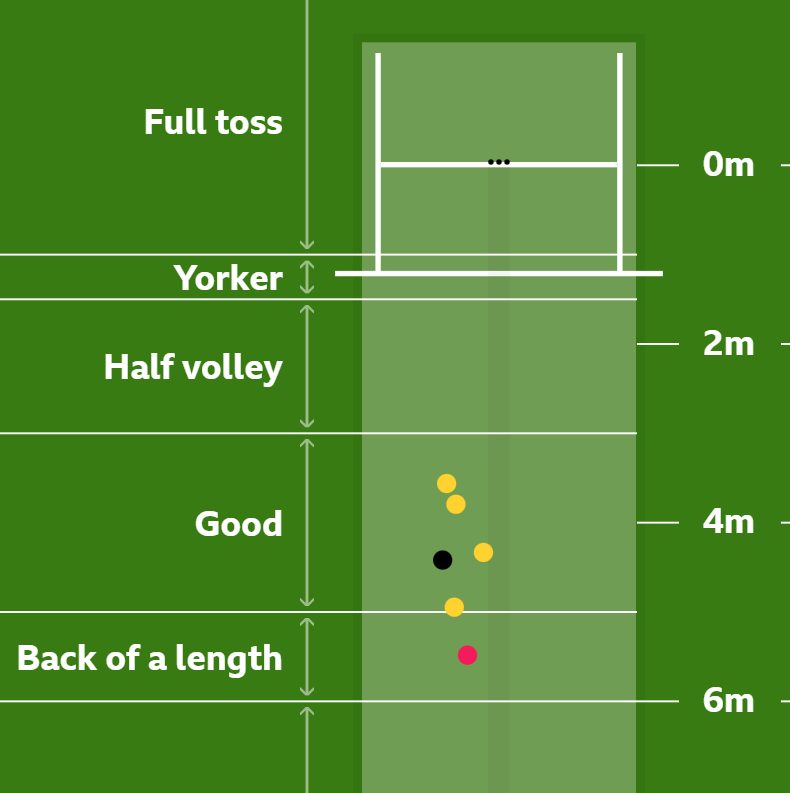
Harry Brook’s reverse sweep dismissal in the third Ashes Test at Adelaide Oval sparked intense debate. The shot, bowled by Nathan Lyon on day four, shifted momentum decisively toward Australia, who retained the urn with an 82-run victory on day five.
Critics labeled it reckless, while defenders viewed it as a calculated team strategy on a turning pitch. Brook’s wicket triggered a collapse, leaving England on the brink before their eventual defeat sealed a 3-0 series lead for Australia.
The Moment That Changed the Match
England chased a record 435 in the third Test at Adelaide, December 17-21, 2025. On day four, Zak Crawley and Brook built a promising partnership, reaching 177-3. Brook, patient after early restraint, scored 30 off 56 balls.
He then attempted a pre-meditated reverse sweep against Lyon. The off-spinner dragged the length back slightly, beating Brook and clipping leg stump. This breakthrough allowed Lyon to claim Stokes and Crawley soon after, closing the day at 207-6.
Australia needed four wickets on day five and secured them efficiently, winning by 82 runs despite Lyon’s injury. The series stood at 3-0, retaining the Ashes in just 11 days.
Brook’s Series Struggles and High Expectations
At 26, Brook serves as England’s Test vice-captain and white-ball leader. His career Test average exceeds 55, with explosive starts including centuries against weaker attacks.
In this Ashes, however, he managed modest scores: 52 and 0 in Perth, 31 and 15 in Brisbane, plus 45 and 30 in Adelaide. Several dismissals involved aggressive shots under pressure, drawing scrutiny.
Brook acknowledged pre-match needs to “rein it in” and absorb pressure better. His first-innings 45 showed restraint, but the second-innings reverse undid progress.
Was the Reverse Sweep a Legitimate Strategy?
England employed the reverse sweep extensively against Lyon on day four. Crawley, Root, Brook, and Jacks played it 20 times, scoring 29 runs and forcing Lyon to average five runs per over—briefly removing him from the attack.
On a turning pitch, pure defense risked lbw or catches. Actively rotating strike disrupted Lyon’s rhythm and moved fielders.
Commentators like Jonathan Agnew defended it as “deliberate and sensible” to prevent stagnation. Australia’s Alex Carey noted England’s success with the shot overall.
Brook erred in execution: the ball was too straight and short for the stroke. Pre-meditation after recent successes may have tipped Lyon, who adjusted cleverly with his 567th Test wicket.
This marked Brook’s first dismissal via reverse sweep in 33 Tests.
| England’s Use of Reverse Sweep vs Lyon (Day 4) |
|---|
| Attempts: 20 |
| Runs Scored: 29 |
| Economy Impact: 5 runs/over |
| Result: Temporarily disrupted Lyon’s spell |
Broader Context in England’s Campaign
Australia dominated the 2025-26 Ashes, winning the first two Tests convincingly. Travis Head’s aggressive centuries, including in Adelaide, exemplified their approach.
England showed fight in the chase but faltered at key moments. Brook’s talent remains undisputed, yet this series highlighted adaptation challenges against elite bowling.
Teammate Zak Crawley defended the shot internally, preferring aggression over passive defense.
Harry Brook’s reverse sweep dismissal encapsulates the fine line between bold innovation and costly risk in modern Test cricket. In the third Ashes Test at Adelaide Oval, England targeted a monumental 435-run chase to keep the series alive. Brook, building steadily, opted for the shot that had previously unsettled Nathan Lyon.
The execution failed spectacularly: Lyon varied length, the ball gripped, and Brook’s leg stump cartwheeled. This wicket ignited Lyon’s spell, claiming three quick scalps and tilting the match irretrievably.
Yet context matters. England’s batters collectively used the reverse sweep to counter Lyon’s threat on a deteriorating pitch. Survival through blocking alone proved impossible—pressure needed deflection through scoring and field manipulation.
Agnew and Carey both praised the tactic’s intent, noting its prior effectiveness. Brook’s error lay in persistence against an adapting bowler, not the shot’s concept.
Brook’s series reflected broader England struggles. High expectations from his stellar average contrasted with low returns against Australia’s disciplined attack. Scores of 52, 0, 31, 15, 45, and 30 underscored inconsistent application under duress.
Pre-series, Brook reflected on “shocking shots” in early Tests and vowed restraint. His Adelaide efforts showed progress—patient starts in both innings—until the pivotal lapse.
| Harry Brook’s Scores in Ashes 2025-26 |
|---|
| 1st Test (Perth): 52 & 0 |
| 2nd Test (Brisbane): 31 & 15 |
| 3rd Test (Adelaide): 45 & 30 |
| Series Average: ~28.8 |
Australia’s dominance featured standout performances: Head’s hometown heroics and Lyon’s resilience despite injury. Their 3-0 lead, sealed in Adelaide, marked swift Ashes retention.
For Brook, this dismissal serves as a learning pivot. His generational talent demands refinement against top opposition. England’s aggressive ethos invites debate, but calculated risks define their identity.
The shot was valid in strategy but flawed in timing—ultimately costly, yet not entirely “stupid.” As the series continues to Melbourne and Sydney, Brook’s response will shape perceptions of his maturity and England’s resilience.

