
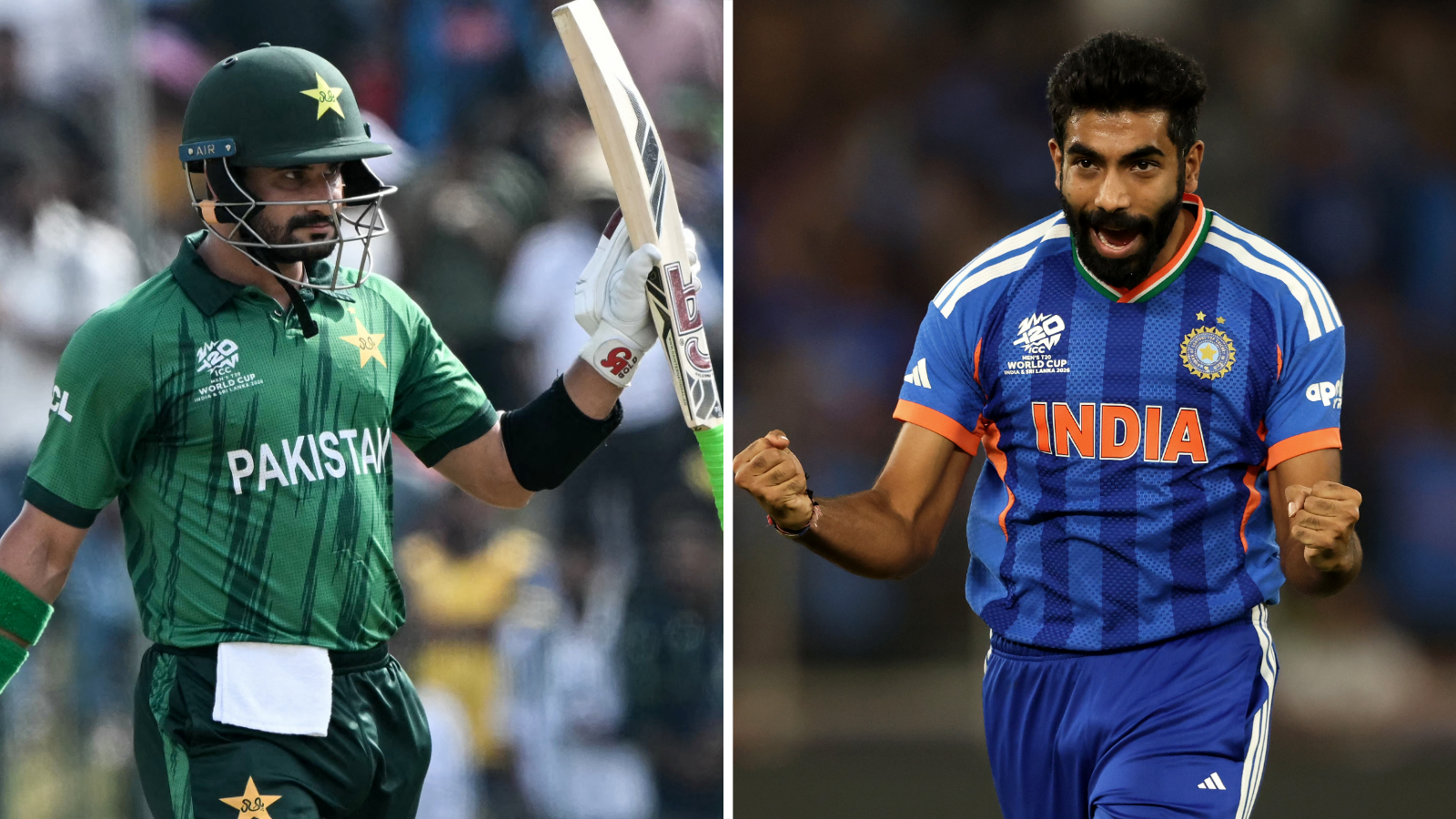
India etched their name into cricket history on March 8, 2026, defeating New Zealand by a commanding 96 runs in the T20 World Cup 2026 final at the Narendra Modi Stadium in Ahmedabad. Captain Suryakumar Yadav’s side posted a record-breaking 255/5—the highest total in a T20 World Cup final—before restricting the Kiwis to 159 all out. This victory marked India’s third T20 World Cup title, making them the first team to defend the crown, win on home soil, and claim three championships overall.
The final erased lingering memories of the 2023 ODI World Cup final loss at the same venue. Massive crowds arrived via special trains, filling the stadium with blue and creating an electric atmosphere. Unlike 2023, pressure did not derail India; instead, it fueled a ruthless performance.
Overcoming Early Wobbles to Peak Form
India began the tournament with a stumble—a narrow win over the United States followed by a defeat to South Africa. From there, however, they transformed into the overwhelming favorites. Under Suryakumar Yadav and coach Gautam Gambhir, the team emphasized collective effort over individual stardom.
In four knockout-style matches after the South Africa loss, India repeatedly crossed 250: against Zimbabwe, England, and twice more in the final run. This feat had occurred only twice in prior T20 World Cup history combined. Jasprit Bumrah’s bowling brilliance (4-15 in the final) anchored the attack, while the batting lineup delivered consistently.
Key contributors shone brightly. Sanju Samson smashed 89 off 46 balls in the final—his third successive fifty-plus score—earning player-of-the-tournament honors. Openers Abhishek Sharma (52 off 21) and Ishan Kishan (54 off 25) provided explosive starts. Shivam Dube added late fireworks, Axar Patel excelled in the field and with the ball (3-27), and even Abhishek found form when it mattered most.
New Zealand captain Mitchell Santner acknowledged the gap: “They are a very good team. They know how to play in these conditions… Once they get going they are pretty tough to stop.”
A New Era of Leadership and Depth
This India side differs markedly from past champions. Gone are the aura-driven icons like Kapil Dev, MS Dhoni, and Rohit Sharma. Suryakumar, an international late bloomer who debuted in his 30s and does not captain his IPL team, leads through calm authority and team-first philosophy.
Gambhir’s influence fosters unity. Contributions came from all areas: Kishan’s early fifties steadied the campaign, Samson’s redemption arc (recalled after initial omission) delivered the finale, and bowlers like Bumrah proved world-class.
India’s dominance extends beyond this tournament. Since the 2024 title ended a 13-year wait, they have won three consecutive ICC white-ball trophies, losing only two of 34 matches across the past four global events.
The IPL’s talent pipeline, combined with substantial ICC revenue shares, provides unmatched resources. Home conditions and flat pitches suited their aggressive style perfectly.
Challenges Ahead: The Rest of the World Responds
Despite the rout, rivals cling to hope from tighter moments. Drops in the field—West Indies against India, Harry Brook in the semi-final—could have altered outcomes. Yet India’s consistency under pressure proved decisive.
The global calendar shifts away from subcontinent dominance. The 2027 ODI World Cup in Zimbabwe, Namibia, and South Africa promises pace and bounce. The 2028 T20 World Cup in Australia and New Zealand favors fast bowlers. India’s Test struggles (home losses to South Africa and New Zealand recently) highlight areas for focus, and depth behind Bumrah will be tested.
The 2028 Los Angeles Olympics, featuring T20 cricket, looms as the next major goal. Suryakumar declared: “The next goal is Olympic gold and the next T20 World Cup… We have won three ICC trophies in a row and we have not looked back. We want to continue doing that in 2027, 2028, 2029 and never stop.”
India’s Unmatched Dominance Continues
India’s T20 World Cup 2026 success cements their status as the benchmark in white-ball cricket. Young, talented, well-resourced, and mentally resilient, they appear virtually unbeatable in current conditions.
For the rest of the world, catching India requires flawless execution in key moments, tactical innovation, and exploiting any rare slip. As Suryakumar and Gambhir target sustained excellence, rivals must raise their game significantly.
Cricket thrives on competition. India’s era of dominance inspires awe—but also challenges others to bridge the gap. The game needs a worthy challenger to emerge.

