Ireland’s Heavy Defeat to France: Time to Stop the Rot in 2026 Six Nations
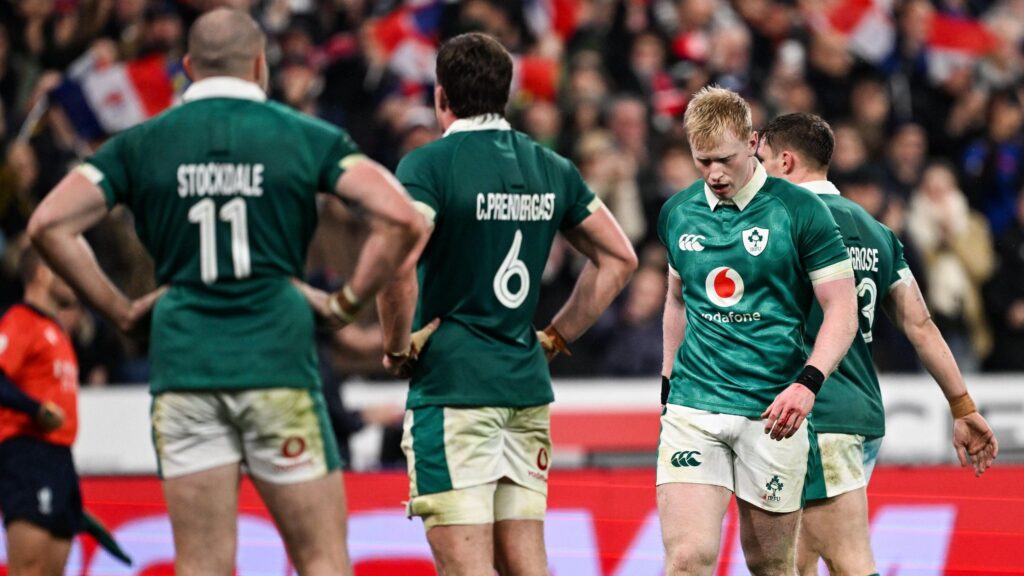
The Guinness Men’s Six Nations 2026 launched with an unconventional Thursday night fixture, pitting reigning champions France against Ireland in Paris. What unfolded was a sobering 36-14 victory for Les Bleus on February 5, delivering Ireland a reality check in their title defense quest. For a team accustomed to recent dominance—sharing the last four titles with France—this second consecutive head-to-head loss signals deeper issues, prompting urgent calls to arrest a slide against elite opposition.
Dissecting a Lackluster Display
Ireland arrived as underdogs, with head coach Andy Farrell reframing the narrative: his side now the “hunters” after years as prey for others. Yet for large stretches at Stade de France, they resembled easy targets. Farrell post-match labeled the effort devoid of “intent,” particularly in the first half where France controlled possession and territory.
Selection choices added intrigue. James Lowe’s omission and Cian Prendergast’s rare start aimed to bolster aerial and breakdown threats, while a new back three—Jamie Osborne, Tommy O’Brien, and Jacob Stockdale—sought dynamism. Injuries ravaged the loose-head prop stocks, forcing reliance on inexperienced options like Jeremy Loughman (five caps pre-match) and Michael Milne.
Outcomes disappointed: Ireland rarely contested high balls effectively, the set-piece generated minimal pressure (one scrum penalty midway through), and 38 missed tackles underscored defensive frailty. Discipline showed progress—only six penalties—but stemmed partly from insufficient proximity to ruck France.
Farrell reflected: “You make your own luck. Without the ball, we lost that battle… That’s the main part of the game, and we came off second best.” A gallant second-half response narrowed the gap briefly, but Ireland never led, trailing 29-0 early after halftime.
Continuing Trends Against Top Teams
Ireland’s form against world elite raises alarms. Excluding the 2023 World Cup quarter-final heartbreak against a peak New Zealand, Ireland felt peers with the best just over two years ago.
Recent record against current top-four ranked sides (since Marseille 2024 win):
| Period | Matches vs Top-4 Teams | Wins | Losses | Margin Notes |
|---|---|---|---|---|
| Post-Marseille 2024 | 9 | 2 | 7 | Five losses by 10+ points |
| Overall Trend | Consistent vs lower tiers | Strong | Variable | Struggle in marquee fixtures |
Ireland excel in expected wins but falter in statement games. This Paris humbling—potentially the widest perceived gap yet—amplifies questions over bridging to consistent contention against southern hemisphere and French powerhouses.
Selection and Depth Under Scrutiny
Injuries inevitably strike, yet Ireland’s squad depth appears underexposed beyond core starters. Prop crises highlight planning gaps, with limited caps among backups even pre-injuries.
Similar patterns elsewhere: scrum-half Craig Casey boasts 25 caps over five years but minimal Six Nations starts against strong opposition. Back-row Nick Timoney, debuting in the championship aged 30+, injected energy off the bench but underscores delayed integration.
Pundit Donncha O’Callaghan noted reliance on Leinster’s core, suggesting recent provincial dips impact national cohesion: “You’re trying to integrate players, and it’s just been too much of a gap.”
Stopping the Rot: Next Steps
With Italy awaiting, Ireland confront a ruthless championship where poor starts compound. O’Callaghan warned: “This team are on the ropes… They need to stop the rot.” Farrell’s squad must rediscover non-negotiables—breakdown ferocity, aerial dominance, tackle accuracy—from the outset.
Positives exist: late fightback showed character, and emerging talents like Prendergast gained valuable exposure. Yet resetting intent is paramount.
As the condensed 2026 tournament—featuring three consecutive weekends early—progresses to March 14 finale, Ireland’s response will define their campaign. From hunters to reclaiming hunted status demands swift, decisive action.
This Paris lesson, bruising as it was, offers a pivot point. Ireland’s storied resilience suggests they can rebound—but time is short in Six Nations rugby.
Follow for real-time match analysis! 
Discover more from DeeplyticAI
Subscribe to get the latest posts sent to your email.