Jarell Quansah’s Two-Match Ban: Impact on England’s 2026 World Cup Campaign
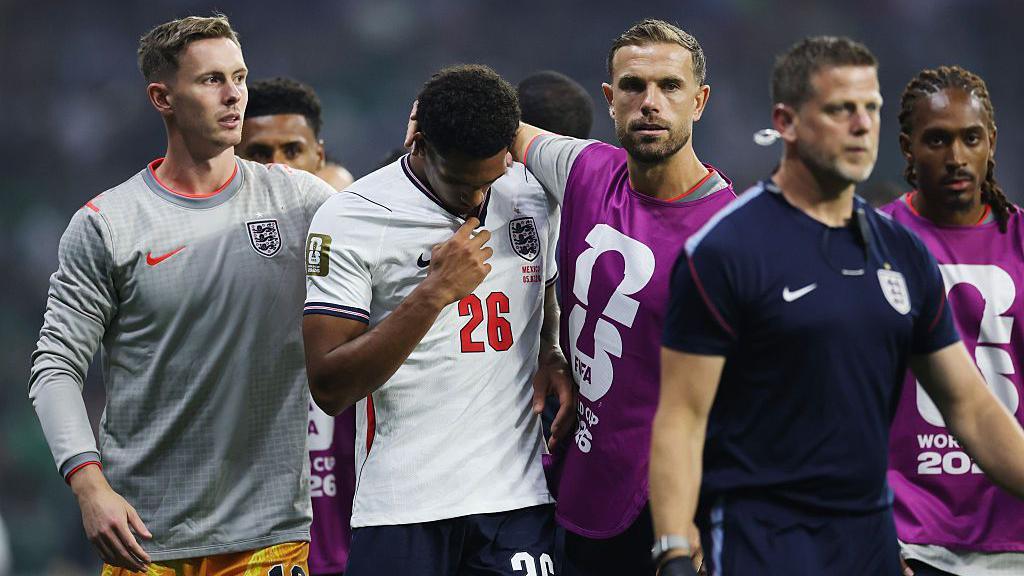
England defender Jarell Quansah faces a significant setback after receiving a two-match ban from FIFA following his red card against Mexico in the 2026 FIFA World Cup. The incident has sparked discussions about disciplinary consistency and its potential effects on England’s progression through the knockout stages. As the Three Lions prepare for crucial matches, this suspension highlights the fine margins in high-stakes international tournaments.
Quansah’s absence adds complexity to England’s defensive options at a pivotal time.
Details of the Red Card Incident
During England’s 3-2 victory over Mexico, Quansah was sent off in the 54th minute for a high challenge on Jesús Gallardo. FIFA’s disciplinary committee classified the tackle as serious foul play, resulting in an automatic one-game suspension plus an additional match. The 23-year-old Bayer Leverkusen player will now miss the quarter-final against Norway and a potential semi-final.
This decision aligns with tournament regulations but raises questions about uniformity in applying sanctions. Quansah, formerly of Liverpool, has been a reliable performer, and his ban disrupts England’s rhythm as they aim for deep progression.
Comparison with Other Disciplinary Cases
The ban contrasts with the treatment of United States forward Folarin Balogun, who received only a one-match suspension (later suspended for 12 months) for a similar serious foul play red card against Bosnia-Herzegovina. This discrepancy drew criticism from various football stakeholders, including UEFA and England manager Thomas Tuchel. France’s unsuccessful appeal regarding Michael Olise’s yellow card further underscores perceived inconsistencies in FIFA’s processes.
Such variations fuel debates on fairness and transparency. The Football Association considered appealing Quansah’s ban but found no regulatory avenue available, leaving England to adapt without one of their key defenders.
Implications for England’s Quarter-Final and Beyond
Quansah will sit out the quarter-final clash with Norway on Saturday. Should England advance, he remains unavailable for a semi-final against Argentina or Switzerland. However, he could return for the final in New Jersey on July 19 if the team reaches that stage.
This suspension tests England’s squad depth. Manager Thomas Tuchel must reshuffle the defense, potentially relying on experienced alternatives to maintain solidity. Norway’s attacking threats, led by Erling Haaland, demand a focused response, making defensive organization critical.
England’s campaign has shown resilience thus far. Navigating this challenge successfully could strengthen team cohesion and highlight the group’s adaptability. Fans following the 2026 World Cup closely anticipate how the Three Lions respond to adversity.
Broader Context of Disciplinary Decisions in the Tournament
FIFA’s handling of red cards influences team strategies and perceptions of equity. The Balogun case, reportedly involving high-level intervention, amplified scrutiny on decision-making processes. Tuchel’s public comments reflect widespread frustration within the game over varying outcomes for similar infractions.
Consistency in discipline supports the integrity of competitions. As the quarterfinals unfold, such issues remain topical among enthusiasts analyzing officiating and governance alongside on-pitch action.
England’s Path and Tactical Adjustments
England enters the quarter-finals with momentum from group stage performances and knockout wins. Quansah’s absence necessitates tactical tweaks, possibly emphasizing midfield control to reduce defensive burdens. Norway presents a dynamic opponent, requiring England to balance attacking ambition with defensive caution.
Success against Norway would set up a demanding semi-final. Reaching the final without Quansah initially would represent a notable achievement, showcasing squad versatility. Online readers interested in international football follow these developments for insights into team management and player roles.
Fan and Media Reactions
The ban has generated considerable discussion. Supporters express disappointment over losing a promising defender at a key juncture but remain optimistic about England’s overall strength. Media coverage emphasizes the need for fairness in disciplinary matters while praising the team’s depth.
This situation underscores the physical and mental demands of the World Cup. Players and staff navigate not only opponents but also regulatory frameworks that can shape outcomes.
Looking Ahead for Quansah and England
Quansah’s suspension, while challenging, offers opportunities for others to step up. His availability for a potential final provides long-term motivation. For England, the focus shifts to immediate preparation, aiming to overcome the Norway hurdle and advance further.
The 2026 tournament continues delivering compelling narratives. England’s response to this disciplinary hurdle will contribute to their legacy, whether ending in the quarterfinals or progressing deeper. Fans worldwide engage with these stories, appreciating the blend of individual incidents and collective ambitions that define major competitions.
As matches intensify, attention remains on how teams adapt and thrive under pressure. Quansah’s case serves as a reminder of football’s unpredictable nature and the importance of resilience in pursuit of success.
Follow for real-time match analysis!🚀
Discover more from DeeplyticAI
Subscribe to get the latest posts sent to your email.