
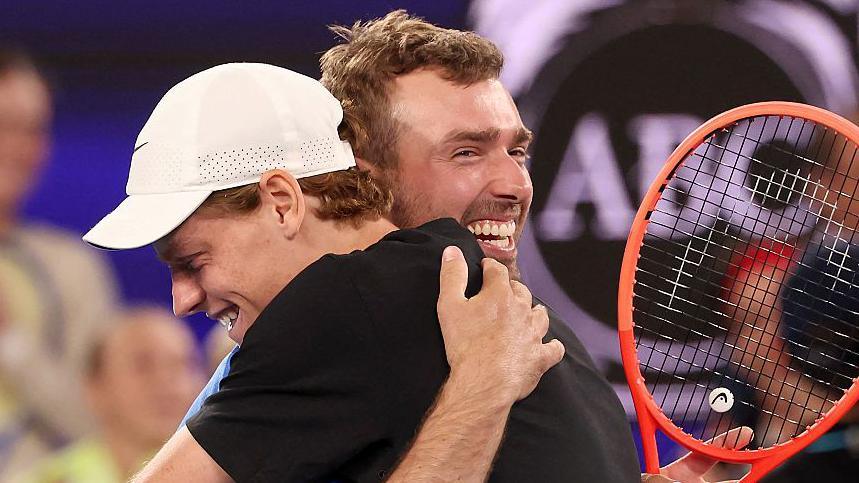
The Australian Open’s innovative Million Dollar One Point Slam delivered unforgettable drama on the eve of the 2026 tournament. New South Wales amateur Jordan Smith claimed the A$1 million prize by outlasting professionals in a single-point knockout format. His calm demeanour against elites like Jannik Sinner and Amanda Anisimova captivated Rod Laver Arena’s near-15,000 crowd, proving the event’s formula—a blend of jeopardy, accessibility, and high stakes—resonates deeply with tennis fans.
How the One Point Slam Works
Launched in 2025 with a modest A$60,000 prize, the 2026 edition escalated rewards dramatically. Forty-eight participants compete: 24 top professionals, eight state champions, eight Melbourne qualifiers, and eight wildcards (including celebrities).
Matches begin with rock-paper-scissors for serve choice, then decide by one point. This leveller creates genuine upset potential, as skill, nerve, and luck collide in seconds.
Tournament director Craig Tiley’s vision succeeded: superstar draw met amateur heroism, boosting engagement and revenue while celebrating grassroots talent.
Jordan Smith’s Path to Glory
Smith, 29, entered as state champion with realistic expectations: “I would have been happy winning just one point.” His run defied odds.
- Advanced past Sinner without striking a ball (failed serve).
- Overcame Anisimova and Pedro Martinez with steady returns.
- Faced Joanna Garland in the final, securing victory through composed execution.
Smith described the environment as “perfect,” crediting welcoming pros for easing nerves. His understated celebration—lost for words courtside—endeared him further.
Post-win, Smith plans life-changing investments, likely including home ownership. The quiet champion’s story embodies the event’s ethos: opportunity for all.
Notable Upsets and Performances
| Amateur | Defeated Pros | Achievement |
|---|---|---|
| Jordan Smith | Jannik Sinner, Amanda Anisimova, Pedro Martinez | Won A$1m prize |
| Joanna Garland | Alexander Zverev, Nick Kyrgios, Maria Sakkari, Donna Vekic | Reached final |
| Alec Reverente | Felix Auger-Aliassime | Won new car in amateur final |
Garland, ranked 117, stunned multiple top players. Reverente’s Auger-Aliassime scalp highlighted Canadian vulnerability.
Early surprises included tennis coach Andres Schneiter beating Corentin Moutet.
Event Atmosphere and Impact
Rod Laver Arena buzzed with support for underdogs. Pros like Coco Gauff cheered amateur success, recognising prize money’s transformative potential.
Online engagement soared, with clips of upsets and celebrations viral. The format’s brevity—quick points, high drama—suited modern attention spans.
Financially, packed venues and broadcast interest justified escalation from last year’s event, featuring only Andrey Rublev among top-10 players.
British and International Connections
British-born Garland’s run added local flavour. Other participants included celebrities and invited personalities, broadening appeal.
The One Point Slam complements initiatives like the US Open’s mixed doubles championship, aiming to attract casual fans while rewarding grassroots.
Why This Event Succeeds
Tiley’s “boom-or-bust” concept levelled Grand Slams and amateurs. Superstars provided gravitas; unknowns delivered jeopardy.
Smith’s victory—unruffled amid pressure—epitomised the dream. For recipients, A$1m changes lives; for tennis, it injects fresh excitement.
As the Australian Open begins January 18, this prelude sets an electric tone. Jordan Smith’s fairytale reminds why sport captivates: anyone can win on their day.
The One Point Slam’s roaring success ensures longevity, bridging elite and everyday players in shared celebration.

