
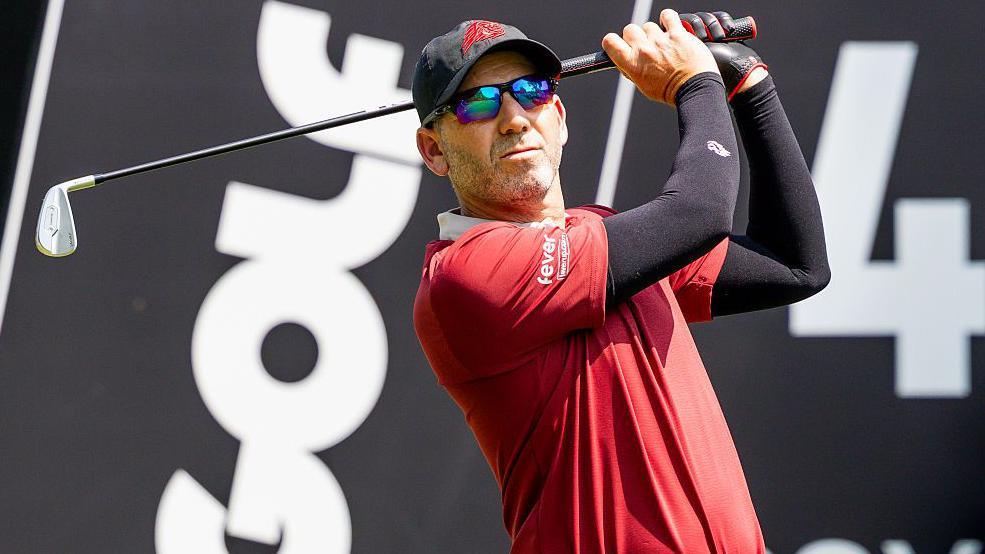
Sergio Garcia Reassures LIV Golf Players as Funding Collapse Rumours Intensify
Sergio Garcia has pushed back against swirling rumours of a potential collapse for LIV Golf, insisting that players were assured earlier in 2026 the Saudi-backed series would continue for “many years.” The 46-year-old Spaniard, captain of the Fireballs team, addressed the speculation on the eve of the LIV Golf Mexico event in April 2026, stating that the players “have not heard anything” to suggest an imminent end to the tour.
Recent reports, including from the Financial Times, suggest that Saudi Arabia’s Public Investment Fund (PIF) may be on the verge of reducing or ending its substantial financial support for LIV Golf. Such a move would represent a seismic shift in professional golf, given the tour’s reliance on PIF backing since its launch in 2022. However, Garcia pointed directly to comments from PIF governor Yasir Al-Rumayyan at the start of the year, when officials emphasised long-term commitment to the project.
What Players Were Told About LIV Golf’s Long-Term Future
Garcia made his position clear during a pre-tournament news conference: “That is not what Yasir told us at the beginning of the year. He told us that he is behind us, that they have a project of many years.” He added that there are always rumours in golf and that players can only respond based on the information they have received directly.
Reports indicate that LIV players were recently informed funding remains in place until at least 2032. LIV Golf chief executive Scott O’Neil has also communicated to staff and players that the 2026 season will proceed as planned, describing widespread speculation as “false” and confirming the tour is fully funded through the remainder of the year. Despite these assurances, uncertainty persists as senior golf officials and media outlets continue seeking clarification on the tour’s trajectory.
Financial Realities Behind the Rumours
LIV Golf has faced significant financial challenges since its inception. Net losses in international markets outside the United States reached $461.8 million in 2024, contributing to total losses exceeding $1.1 billion since 2021. The PIF’s overall investment in the venture is reported to have approached or surpassed $5 billion, while broadcast rights deals have generated relatively modest returns of around $2.7 million.
In February 2026, O’Neil acknowledged that profitability could still be five to ten years away. A senior Saudi source previously noted a broader shift in the kingdom’s investment priorities toward more sustainable sectors such as artificial intelligence and technology, with increased pressure to ensure returns on sporting ventures. New sponsors including Rolex and HSBC have joined, yet these additions have not come close to offsetting the high player salaries and operational costs.
The timing of the latest speculation coincides with the release of PIF’s new multi-year investment strategy, which appears to place greater emphasis on sustainable and high-return opportunities. The 2034 FIFA World Cup is understood to be a higher strategic priority for Saudi Arabia’s sporting ambitions.
Departures of Key Stars Add to the Pressure
The tour has also experienced high-profile exits in recent months. Brooks Koepka returned to the PGA Tour early in 2026, while Patrick Reed departed to pursue a route back via the DP World Tour. These moves by established major champions have raised questions about roster strength and player confidence in LIV’s long-term stability, even as the circuit maintains a competitive field of big names including Phil Mickelson, Bryson DeChambeau, and Cameron Smith.
LIV’s innovative team format aimed to mirror the commercial success of cricket’s Indian Premier League, but attracting significant external investment has proved difficult. While events in Adelaide and Johannesburg have drawn strong crowds, broader television viewership and global appeal have not matched initial expectations.
The Wider Impact on Professional Golf
Since launching in 2022, LIV Golf has profoundly divided men’s professional golf. The tour lured star players away from the PGA Tour and DP World Tour with lucrative contracts, triggering what many described as a “civil war” in the sport. A proposed framework agreement for a merger between the PGA Tour, DP World Tour, and PIF was announced in 2023, but meaningful progress has stalled.
In the interim, a limited number of LIV-affiliated players have been allowed to compete in select events on the traditional tours under specific conditions. The scars of this division remain evident, as highlighted by recent criticism from figures such as Tom Watson regarding the return of players like Koepka and Reed.
If PIF support were to diminish significantly, the consequences would extend far beyond LIV itself. The tour has already forced changes across golf, including adjustments to world ranking points and prize structures on established circuits. A sudden reduction in funding could prompt further player movements, with some potentially seeking reinstatement on the PGA Tour or DP World Tour after serving suspensions.
Potential Scenarios and the Path Forward
Analysts suggest that a full shutdown would be a major blow not only to the players but also to Saudi Arabia’s broader sporting investments. Alternatively, the PIF might redirect resources toward other golf initiatives, such as increased involvement with the DP World Tour, to maintain a presence in the sport while prioritising sustainability.
For now, the 2026 LIV Golf season continues, with the Mexico event underway and further tournaments scheduled. Garcia and his fellow players remain focused on competition, emphasising that they will base decisions solely on official communications from leadership rather than media speculation.
Why the LIV Golf Future Matters to Fans and the Sport
Online readers interested in LIV Golf news, PGA Tour vs LIV Golf, Saudi investment in sport, and the future of professional golf will continue to watch developments closely. The situation highlights the complex intersection of sport, finance, and geopolitics in modern elite competition.
While rumours of collapse have intensified, direct assurances from Garcia, O’Neil, and sources close to the tour suggest the 2026 season will proceed without interruption. Nevertheless, the financial pressures, player departures, and shifting investment priorities ensure that questions about LIV Golf’s long-term viability will persist.
As the sport navigates this period of uncertainty, one thing remains clear: the arrival of LIV Golf has already reshaped professional golf in lasting ways. Whether it continues in its current form or evolves under new circumstances, its influence on the game’s structure, player earnings, and competitive landscape will be felt for years to come.

