LIV Golf Secures Potential $300m Investment to Power 2027 Relaunch
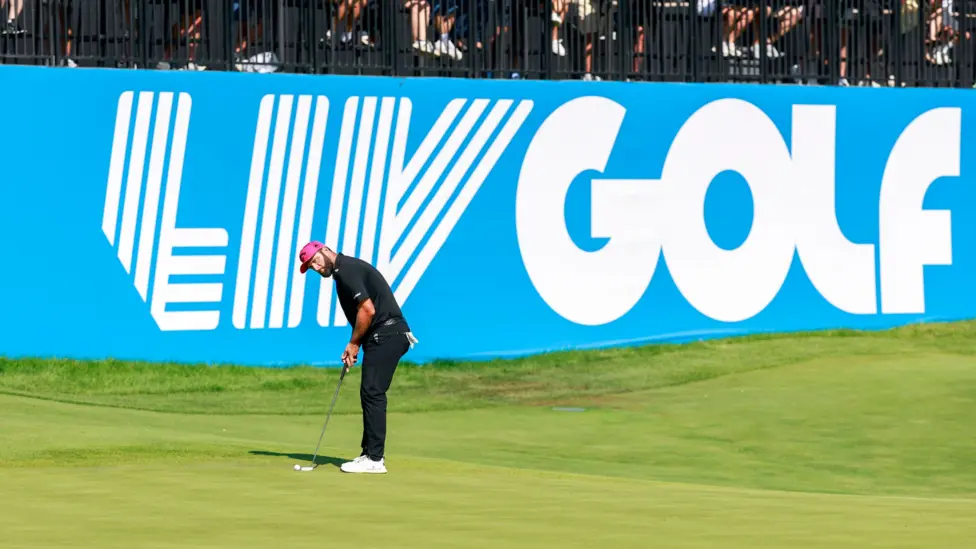
LIV Golf has taken a significant step toward securing its future after announcing a potential $300 million financing package from BC Partners Credit. The deal forms a central part of the league’s restructuring efforts following its Chapter 11 bankruptcy filing and the withdrawal of Saudi Arabia’s Public Investment Fund backing. Officials hope the investment will enable a relaunch in 2027 under a revised model known as LIV 2.0.
The announcement comes at a critical moment. LIV Golf filed for bankruptcy protection in the United States in September after the Public Investment Fund ended its multibillion-dollar support at the conclusion of the 2026 season. That funding had underpinned the league since its launch. The court-supervised process aims to complete restructuring early next year and place the competition on a more sustainable financial footing.
Details of the BC Partners Commitment
BC Partners Credit, the credit arm of the London-based firm, has provided an initial committed investment as the first element of a targeted $300 million cumulative financing package. The funds are intended to support LIV’s emergence from bankruptcy and the planning of a 2027 season. Ted Goldthorpe, partner and head of BC Partners Credit, described the goal as facilitating “emergence from the restructuring process on sound financial footing and with renewed momentum heading into the 2027 season.”
The financing remains subject to bankruptcy court approval and customary conditions. A hearing is scheduled for mid-October. Under the amended Restructuring Support Agreement, the deadline for securing commitments from a requisite number of players has been extended to 25 October. This gives the league additional time to negotiate with competitors who are collectively owed at least $45 million, with some individual contracts reported to be substantially higher.
Importantly, current players are under no obligation to remain even if they hold multi-year contracts. The new structure offers them the opportunity to become equity owners in both the league and their individual teams, a shift designed to align incentives and create long-term value.
Vision for LIV 2.0
LIV Golf CEO Scott O’Neil welcomed the investment as meaningful progress. “This investment is an important step forward for LIV Golf,” he said. “We’re delivering on our major milestones, and while there is still work ahead, today marks meaningful progress toward a player-owned, team-focused, truly global league that complements the wider game and creates new opportunities for players, fans, partners, and the next generation of golfers.”
The planned 2027 format is expected to feature a more compact schedule of around ten tournaments, with roughly half staged at international venues. The field size is projected to be smaller, and the emphasis will remain on the team-based concept that has defined the league since its inception. Organisers aim to maintain a global footprint while operating under a leaner cost structure.
Goldthorpe has expressed confidence in the commercial potential of the revised model. He has pointed to the possibility of team valuations exceeding $100 million in a relatively short timeframe once the new ownership structure takes hold. Additional co-investors are expected to join the funding effort, further spreading risk and supporting growth.
Challenges and Outlook
Significant hurdles remain. The league must still reach agreement with enough players to satisfy the terms of the financing. High-profile names continue to weigh their options, and some have already explored exits from existing contracts. Operational planning, staff rebuilding after earlier layoffs, and the negotiation of media rights will also require careful management in the coming months.
Nevertheless, the BC Partners commitment provides the clearest path yet for LIV Golf to continue beyond 2026. By shifting from heavy external subsidy toward a player-equity model backed by private credit, the league is attempting to reinvent itself as a more conventional commercial enterprise. Success will depend on court approval, player buy-in, and the ability to deliver compelling events that attract fans and sponsors.
For online readers following the evolution of professional golf, the development marks a pivotal chapter. LIV Golf’s attempt to survive and reshape itself after the loss of its original financial engine will be closely watched across the sport. The potential $300 million investment does not guarantee a smooth transition, yet it supplies the resources and breathing room needed to test whether a player-owned, team-oriented global series can find a sustainable place in the wider golf landscape.
Follow for real-time match analysis!🚀
Discover more from DeeplyticAI
Subscribe to get the latest posts sent to your email.